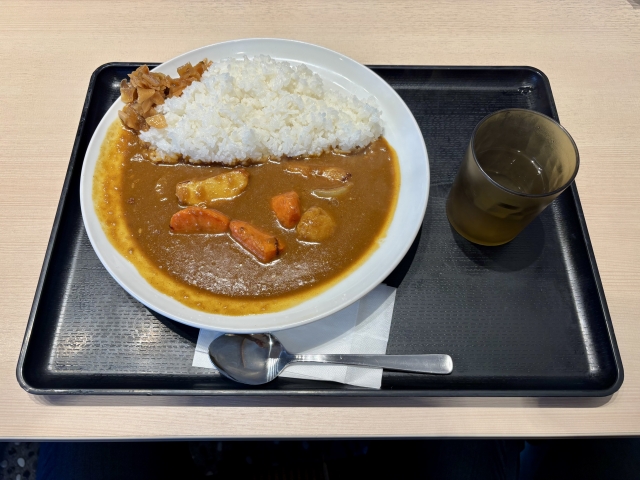
Curry is a dish eaten all over the world. Since its origin is India, it is well known for being eaten with naan. When you go to an Indian curry restaurant, the aroma of spices will surely whet your appetite. Curry culture also exists in Japan. Moreover, it is extremely popular as a standard home-cooked dish. Now, did you know that Japanese-style curry can be made in about 30 minutes? Can you imagine children easily making it during outdoor cooking at Boy Scouts or similar activities? In this article, we will introduce why Japanese curry can be made in about 30 minutes through a story format.
Summary
- Japanese curry rice is made using “curry roux.” It can be cooked in about 30 minutes.
- By using curry roux, even children can cook it.
Characters
- Mike: A 12-year-old American boy interested in Japanese culture.
- John: Mike’s father. He sometimes visits Japan for business.
- Kelly: Mike’s mother. She is good at cooking.
- Nobu: A Japanese international student.
Prologue
Curry is a dish that can be called a national food of Japan, and its big feature is that it is easy to make. By the way, since curry is a dish made from many spices, you might think it is very difficult to make. If you were to seriously consider the types and mixing ratios of spices, it wouldn’t be something you could make easily. However, curry is Japan’s national dish. It can be made easily with ordinary tools found in the kitchen… I believe it’s made not just by Boy Scouts, but even in elementary school cooking classes. So, what ingredients and what methods do Japanese people use to make it?
Japanese Curry Can Be Made in 30 Minutes.
Kelly: “Japanese cuisine is very deep, so I’m sure it takes a lot of time and effort to make.”
Mike: “That’s true. For example, sushi is hand-pressed one by one by craftsmen. The effort is amazing.”
Kelly: “But there’s something mysterious. I understand that Japanese food is labor-intensive, but Japanese housewives surely don’t have that much time. There must be busy people too.”
Mike: “You’re right. There must be many dual-income families.”
Kelly: “Exactly. So my question is, how do those busy Japanese housewives cook?”
Mike: “True. Time is limited for home-cooked meals.”
Nobu: “Hello.”
Kelly: “Oh, you’ve come at a good time. I want to ask about Japanese home cooking.”
Nobu: “Yes, what is it?”
Kelly: “I think Japanese home cooking is very substantial, but I find it mysterious how those dishes can be made in such a short time.”
Nobu: “But for things like pork or fish sauté, I think Japan is no different.”
Kelly: “Then what about curry? When I ask Indian people, they say they mix spices to make it. That takes a lot of effort, yet it’s like a national dish in Japan. I don’t understand that part.”
Nobu: “I see, curry. It’s true that if you mix spices to make it, it would take a lot of effort. However, Japanese people do not put in that much effort to make curry.”
Kelly: “What do you mean?”
Nobu: “There is something called ‘roux’ for making curry, and you can make it easily with that. I think it can be made in about 30 minutes.”
“Roux” Makes Japanese Curry.
Kelly: “Isn’t roux made from curry powder? I have an image of stir-frying flour and oil and adding it to that.”
Nobu: “Certainly, curry can be made that way too. People who are particular about taste might use curry powder. You can find spices in town, so some people might change the flavor with those.”
Mike: “It sounds fun to change the taste like that.”
Nobu: “But not all Japanese people have that much time. Especially dual-income people are busy and don’t have time. Such people wouldn’t have the luxury to make curry from curry powder.”
Kelly: “That’s certainly true.”
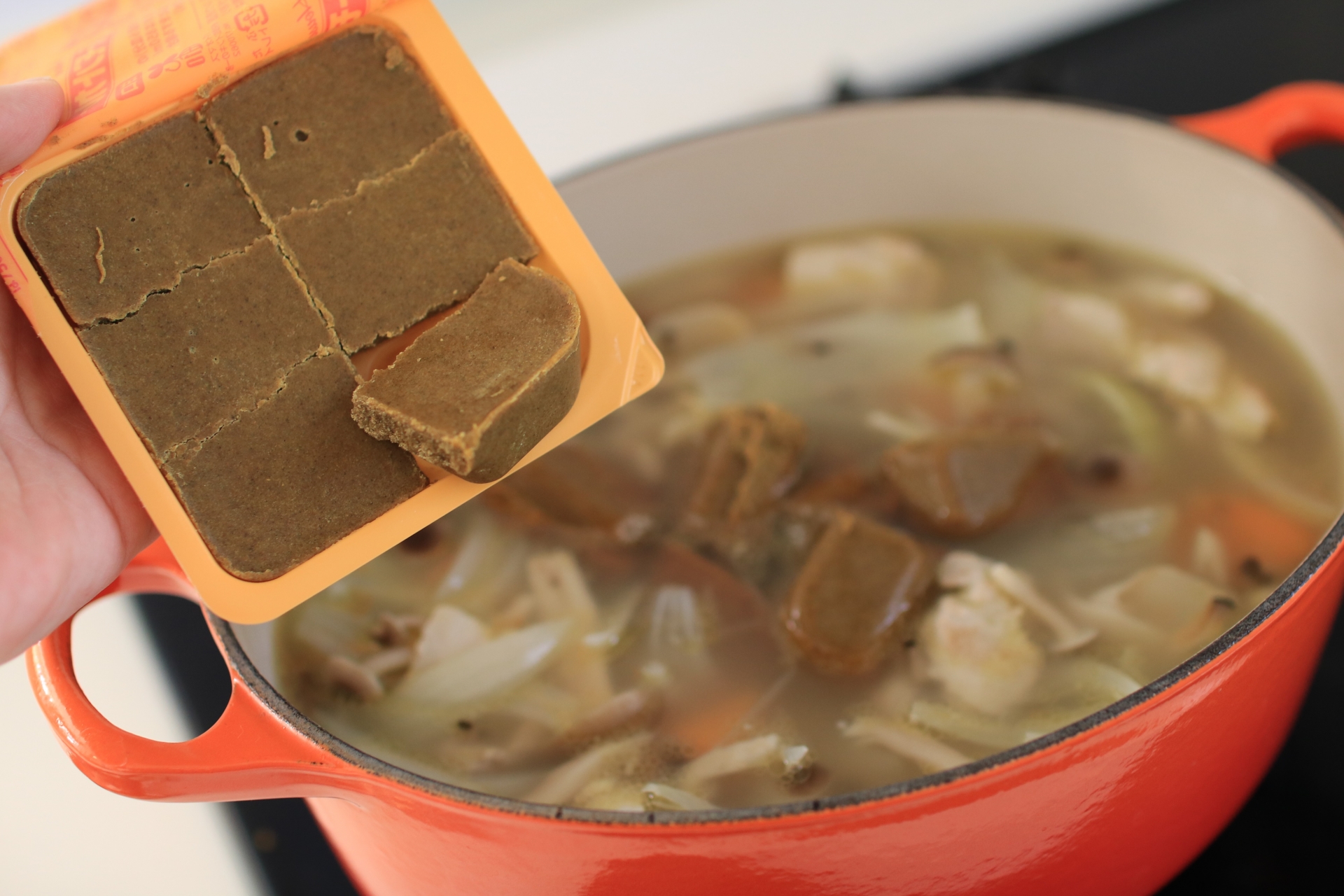
Nobu: “What is used instead is solid curry roux. It looks like a large chocolate bar, and if you simmer it with stir-fried ingredients, you can easily make curry.”
Mike: “Wow, that sounds easy.”
Nobu: “The way to make it is really simple. First, cut the ingredients and stir-fry them in a pot, add water and simmer, and finally, break the curry roux and put it in to simmer. Someone used to it might be able to make it in about 30 minutes.”
Mike: “That’s amazing. Maybe even I could make it?”
Nobu: “I think you could. Curry is a standard dish for outdoor cooking at camps like Boy Scouts, and I think it’s also made in elementary school cooking classes.”
Kelly: “Wait a minute. Cooking classes have limited class time, so you can’t use that much time.”
Nobu: “Yes, cooking classes have limited time. Japanese curry can be made that easily.”
Kelly: “By the way, what is inside the roux?”
Nobu: “It contains all the general spices used in curry. I think it’s like those spices are solidified with edible oil. While it’s usually in block form, there also seem to be powder types.”
Kelly: “In any case, you can easily make curry at home.”
Nobu: “That’s right.”
Japanese Home Cooking Made with Roux
Kelly: “Anyway, being able to make delicious food quickly is a big advantage. Moreover, it’s wonderful that children can make it too.”
Mike: “Yeah. If even I can make it, I definitely want to try making it.”
Nobu: “You should give it a try. By the way, curry isn’t the only dish made with roux.”
Kelly: “Eh? Are there other dishes made with roux?”
Nobu: “Yes, there are. Representative ones would be cream stew, beef stew, and Hayashi rice.”
Kelly: “Could you tell me a bit about those?”
Cream Stew
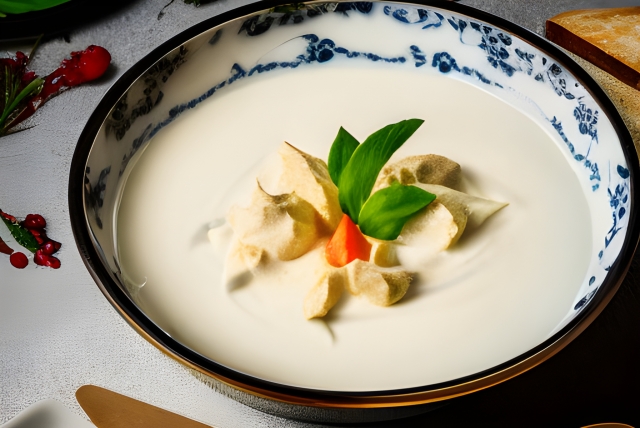
Nobu: “First is cream stew, but the basics are the same as curry. You make it by simmering ingredients cut into appropriate sizes together. Since all the seasonings are inside the roux, this is also very easy.”
Mike: “I see, it’s the same concept.”
Nobu: “Right. By the way, if you change the ingredients, the atmosphere and taste change completely. It might be interesting to put in seafood or something.”
Kelly: “I see, seafood. That sounds delicious.”
Beef Stew
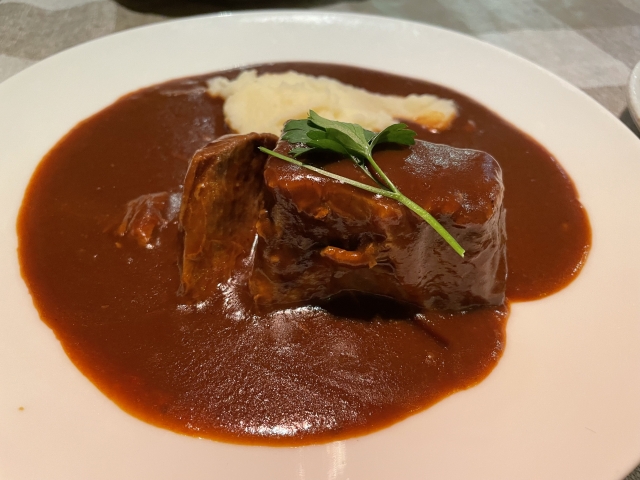
Nobu: “Beef stew is also a good example. In Japan, beef stew roux is also sold.”
Kelly: “Speaking of beef stew, I have an image of it taking a long time. Can it really be made that easily?”
Nobu: “True, it might take time to simmer block meat until soft. However, if you use thinly sliced beef, it doesn’t take that much time.”
Kelly: “I see, thinly sliced meat.”
Hayashi Rice
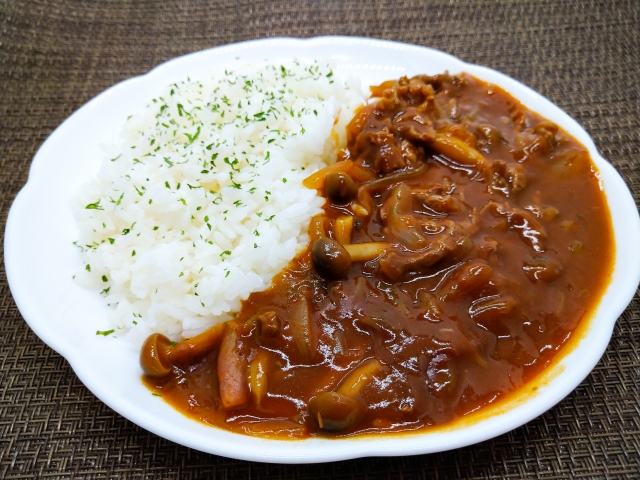
Nobu: “Hayashi rice is also made with roux. Hayashi rice is a dish born in Japan that resembles curry, and I think it’s starting to become known in other countries too.”
Kelly: “I know it a little. It’s the one with a strong tomato taste. It’s similar to curry but doesn’t have the spice kick like curry does.”
Nobu: “That’s right. From curry to Hayashi rice. There are quite many ‘dishes made with roux’ in Japan, aren’t there?”
Menu Can Be Easily Changed Using Roux
Nobu: “By the way, have you noticed anything from what we’ve discussed so far? …For example, when making stew and curry with the same ingredients.”
Kelly: “Could it be changing the menu by just changing the roux?”
Nobu: “Yes. Even with the same ingredients, the dish is different, so the dining table changes completely. For example, making stew with the same ingredients the day after eating curry.”
Kelly: “Wait a minute. It might certainly be completely different, but people who know will notice.”
Nobu: “That may be true. But it’s suitable for students who don’t have much to spare. If you buy vegetables and meat cheaply and eat them while changing the roux, it’s inexpensive and you can eat the ingredients without waste.”
Kelly: “Well, it might be helpful economically… but I think I’d get tired of it.”
Nobu: “True, you get tired of it… well, everything has its drawbacks.”
Overseas Expansion of Curry Roux
John: “By the way, regarding curry roux, if it’s that convenient, wouldn’t it be good to export it overseas?”
Nobu: “Yes, I hear that curry roux is being sold in places like China.”
John: “Wow, in China. If it’s accepted in China, it will be a considerable quantity. After all, the population is on a different scale.”
Nobu: “I think so. By the way, when curry was first introduced, it seems they sometimes served it in elementary school lunches. I think food company people wanted to see the children’s reactions.”
John: “I see. If a child says ‘I want to eat curry today,’ that night will probably be curry. If it’s delicious and easy, mothers would be grateful too.”
Nobu: “I suppose so. Children’s voices are powerful… By the way, someone said something interesting about curry.”
John: “What do you mean?”
Nobu: “Curry is contagious… that’s what it was.”
Mike: “What does that mean?”
Nobu: “When you make curry, the good smell of curry drifts outside through the ventilation fan. Then, people walking outside also want to eat curry, and those people also eat curry that night… that’s how it goes.”
John: “I see, contagious. That’s certainly true.”
End
Proper Use of Curry Powder and Curry Roux
Curry roux is very convenient for making Japanese-style curry, but it is by no means versatile. There is curry powder, and there are many cases where using curry powder is more convenient. For example, if you knead curry powder into hamburger steak ingredients and grill them, you can make curry-flavored hamburger steaks. In this case, curry powder is recommended over curry roux. Powder is more convenient for kneading. In any case, I think the point is to combine convenient ingredients. Since your world can expand depending on your ingenuity, why not give it a try?
From My Own Experience
I wrote that even children can make curry, but here, I will introduce my own curry-making experience. First, my experience making curry. Curry is a staple menu item in elementary school cooking classes and camp menus. Since it was so simple—just cutting ingredients, stir-frying them in a pot, and simmering with roux—even as a child, I could easily make it. By the way, at camp, we don’t use gas stoves; we split firewood and build a fire. There was adult supervision, but I think the reason children could do it while tending the fire was because curry was so simple. Next, when I was working part-time at a campsite. This was from the standpoint of “having children make curry.” The simplicity of curry was a huge merit here as well. This is because if the dish were elaborate, I couldn’t let children make it. In that regard, with curry, there are few failures. Anyway, the convenience of curry roux is demonstrated in these points as well. It’s a very welcome benefit.
Conclusion
Through the way curry is made, we focused on “roux.” I believe you are now convinced that curry can be made in about 30 minutes, even by children. Also, you may have learned that there are dishes other than curry that can be made with roux. In any case, “roux,” which allows time-consuming dishes to be made easily, is a very convenient thing. Since it’s a material that even children can handle, making curry together with children is also recommended. Why not enjoy it with your children on a day off?