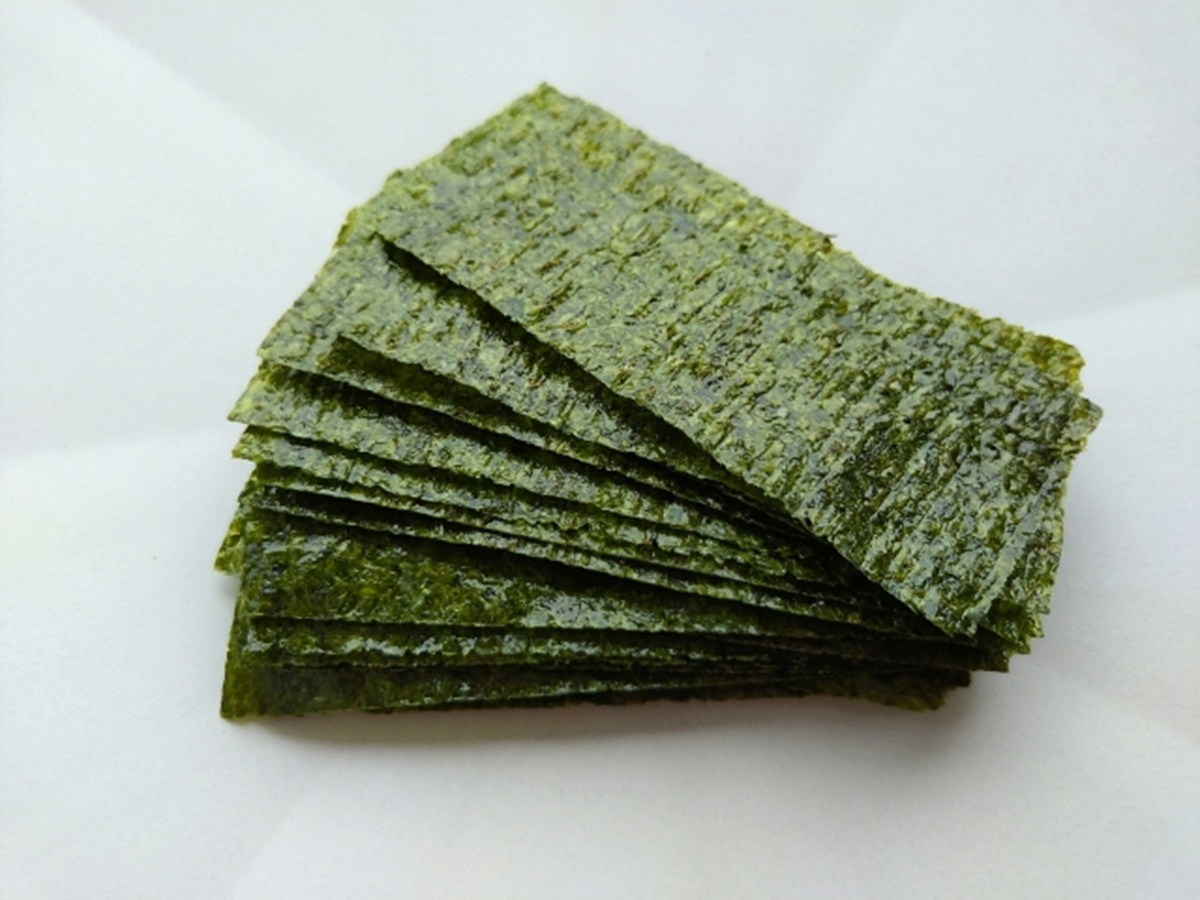
Have you ever wondered about the crispy, dark green sheet wrapped around your sushi roll or onigiri? That is Nori (海苔). While seaweed is becoming a trendy superfood globally today, Japan has nurtured a rich culture of eating seaweed for over 2,000 years. But there is much more to nori than meets the eye—from its surprising historical connection to traditional papermaking, to the complex craftsmanship hidden behind its simple appearance.
In this article, we will dive deep into the fascinating world of Japanese nori culture, its history, types, and how you can enjoy it like a local.
Summary
- What it is: A processed food made from edible red algae (seaweed).
- The Origins: It has been consumed in Japan for over two millennia, though its modern sheet form was perfected during the Edo period (1603–1867).
- The Varieties: Available in several types, including dried (Hoshi-nori), toasted (Yaki-nori), and seasoned (Ajitsuke-nori).
- The Textures: It offers two distinct culinary experiences depending on how it is prepared: ultra-crispy or soft and melt-in-your-mouth.
The Deep History of Nori: The Secret Link to Japanese Paper (Washi)
The history of nori in Japan is incredibly long. Records show that Japanese people have been eating it for more than 2,000 years, indicating how deeply rooted it is in daily life. However, in ancient times, it was eaten as a paste or dried in natural clumps.
Nori as we know it today—the thin, uniform sheet—was actually invented during the Edo period. Surprisingly, this innovation was heavily inspired by the traditional method of making Washi (Japanese handmade paper).
How Papermaking Revolutionized Nori
Traditional washi is made by dispersing wood fibers in water and filtering them through a bamboo screen (a process called suku) to create a perfectly flat, beautiful sheet. This ensures a uniform thickness, structural beauty, and excellent texture.
Edo craftsmen applied this exact technique to seaweed. By chopping the harvested algae finely, mixing it with water, and straining it through paper-making frames, they successfully created Ita-nori (sheet nori). This technique gave nori its uniform thickness, elegant shape, and that uniquely satisfying crispy texture we enjoy today.
This ancient innovation has been seamlessly passed down to modern times. Today, from flavored varieties to an expanded range of culinary applications, nori continues to stand as a testament to the profound depth of Japanese food culture.
How Nori is Made: High-Tech in Modern Times
While the fundamental concept of making nori remains remarkably simple, modern production relies on high-level expertise and precision technology.
The Raw Materials
Most nori comes from two main types of seaweed:
- Susabi-nori: Cultivated primarily in the Kyushu region (southern Japan), this type accounts for the vast majority of nori found on the market today.
- Asakusa-nori: Historically grown around Tokyo (formerly Edo) in the Kanto region, this premium variety has become rare due to changing water environments, making modern commercial nori predominantly Susabi-nori.
The Production Process
The basic steps are straightforward, but require subtle know-how:
- Harvesting: Cultivated seaweed is gathered from ocean nets.
- Washing & Cleaning: The seaweed is thoroughly washed to remove salt, sand, and impurities.
- Chopping: The algae is chopped into fine pieces to make it uniform.
- Sheet Forming (Suku): The chopped seaweed is mixed with fresh water and spread onto screens just like washi paper.
- Drying: The sheets are dried carefully to lock in the aroma.
The Hidden Technology: Achieving a perfectly uniform thickness across millions of sheets is incredibly difficult. Modern factories use high-precision sensors to measure the density of the seaweed mixture in real-time to ensure there are no uneven spots or flaws in the final product. The true artistry lies in these fine, unnoticeable details.
The Main Types of Nori Available Today
When visiting a Japanese supermarket, you will find several different varieties of nori. Here are the three major types you should know:
- Dried Nori / Hoshi-nori (乾燥海苔) Uncooked sheets that are simply dried after being formed. It retains a subtle, fresh ocean aroma and a slightly higher moisture content, making it softer. Best Used For: Sushi rolls (as it absorbs moisture beautifully and wraps tightly).
- Toasted Nori / Yaki-nori (焼き海苔) The most common type on the market today. Hoshi-nori is toasted to bring out a savory fragrance and a delightfully crispy texture. The aromatic profile pairs perfectly with white rice. Best Used For: Eating with hot white rice, wrapped around onigiri, or as a general topping.
- Seasoned Nori / Ajitsuke-nori (味付け海苔) Toasted nori coated with a sweet and savory sauce typically made from soy sauce, sugar, and dashi. It offers a crispy texture combined with a rich flavor profile. Best Used For: Breakfast sides, snacking, or encouraging picky eaters/children to finish their rice.
Shapes and Variations
Nori also varies based on how it is cut. A prime example is Momi-nori (shredded nori). These are thinly cut strips or crumbled pieces of nori used much like a condiment or sprinkle. It adds an immediate burst of aroma and visual appeal to dishes like Zaru Soba (chilled buckwheat noodles) or modern Japanese-style pasta.
Nori as a Superfood: The “Vegetable of the Sea”
Many people view nori simply as a wrap or garnish, but it is actually an exceptional health food. Often referred to by nutritionists as the “green-yellow vegetable of the sea,” this remarkable seaweed packs an incredible nutritional punch into a tiny, low-calorie serving.
Nori is highly rich in essential nutrients that are frequently lacking in modern diets. It contains a high concentration of dietary fiber, vitamins, and minerals like iron. Regular consumption is known to help boost the immune system and support weight management or obesity prevention, making it a powerful ally for a healthy lifestyle.
The Art of Texture: Crispy vs. Soft
One of the most unique aspects of eating nori is how its texture transforms based on moisture. The culinary experience changes entirely depending on whether the nori stays dry or absorbs water.
Enjoying the “Crispy” (Pari-Pari) Texture
When moisture is kept at an absolute minimum, nori rewards you with a loud, satisfying crunch. The best example of this engineering is found in Japanese convenience store Onigiri (rice balls).
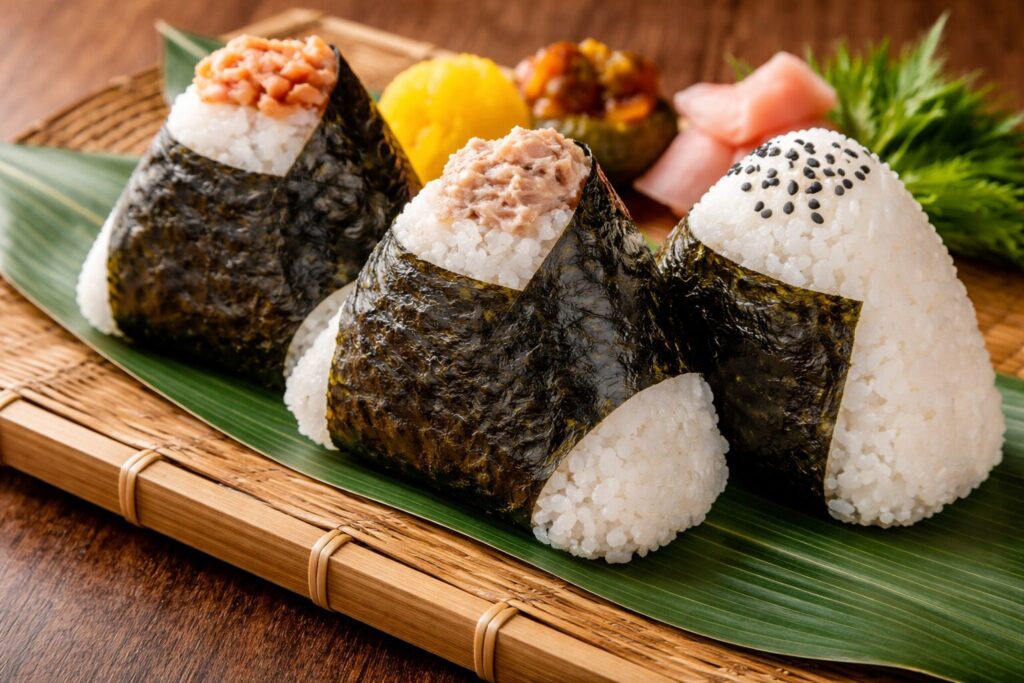
Many overseas visitors wonder: Aren’t the rice balls wrapped in seaweed from the start? The secret lies in the clever plastic packaging. The nori and the moist rice are kept completely separate inside the wrapper so that no humidity transfers to the seaweed. When you open it using the numbered tabs, you wrap the nori around the rice at the very last second, ensuring a perfectly crispy bite every single time.
Enjoying the “Soft/Moist” (Shittori) Texture
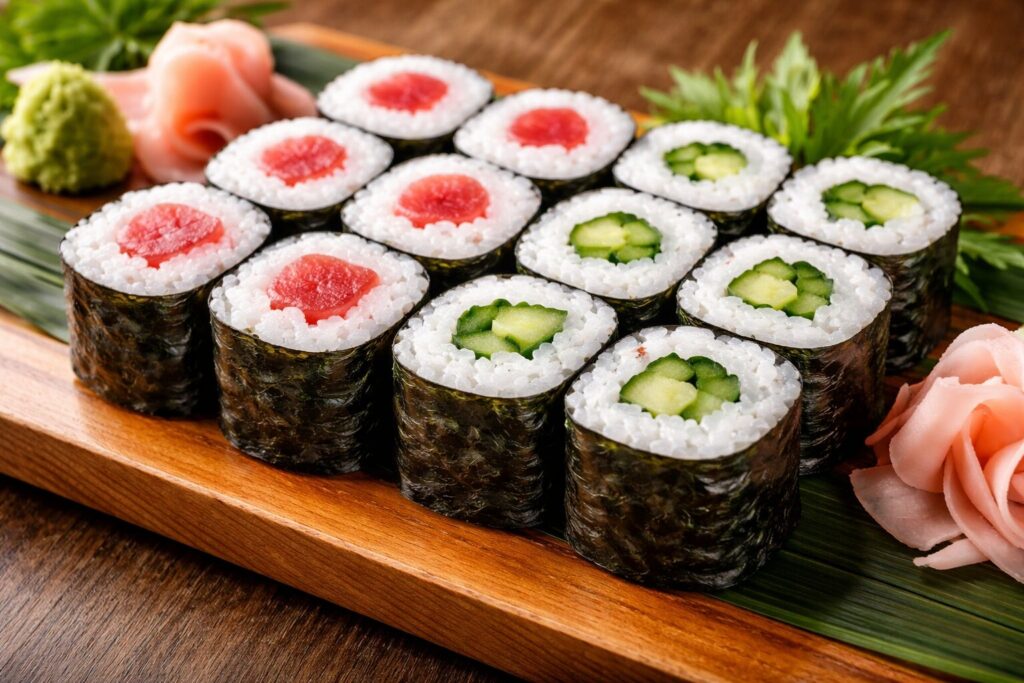
Conversely, when nori absorbs moisture from surrounding ingredients, it softens into a velvety, melt-in-your-mouth texture. This is beautifully showcased in traditional Norimaki (sushi rolls). Because the nori is wrapped during the preparation stage, it naturally absorbs the gentle steam and moisture from the sushi rice, becoming pliable, easy to bite through, and deeply integrated with the flavors of the roll.
Similarly, some traditional home-style onigiri are wrapped completely in nori beforehand to achieve this comforting, soft texture.
Kitchen Tips for Nori
- If your nori loses its crispness: Nori is highly sensitive to humidity. If a sheet goes soft or stale due to room moisture, do not throw it away! Gently pass it over a gas stove flame for a few seconds. The heat will instantly evaporate the moisture, restoring its signature crispy crunch and reviving its rich aroma.
- Be careful with soy sauce: When enjoying sheet nori with rice, avoid submerging the entire sheet directly into soy sauce. Over-soaking kills both the crispy texture and the delicate ocean aroma, leaving you with nothing but a salty taste. Instead, lightly dab a corner or brush it gently to maintain the perfect balance.
Popular Japanese Dishes Featuring Nori
Nori’s versatility allows it to bridge the gap between traditional Japanese cuisine and Western-style cooking. Here are some of the most common ways it is enjoyed:
- Norimaki (Sushi Rolls): Rice and assorted fillings wrapped tightly in a nori sheet. The nori acts as a clean, edible wrapper that makes the sushi easy to handle without getting your hands sticky, while adding a savory depth. Modern variants include Temaki-zushi (hand rolls), where individuals choose their fillings and roll them fresh, enjoying a crispier texture.
- Onigiri (Rice Balls): The quintessential Japanese comfort food. A triangular or round ball of seasoned rice wrapped in nori, creating an incredible harmony between grain and sea.
- Furikake (Rice Seasoning): A dry condiment sprinkled over plain white rice. While it features various ingredients like dried salmon, egg, or even natto, crumbled nori is almost always present to provide a fragrant baseline.
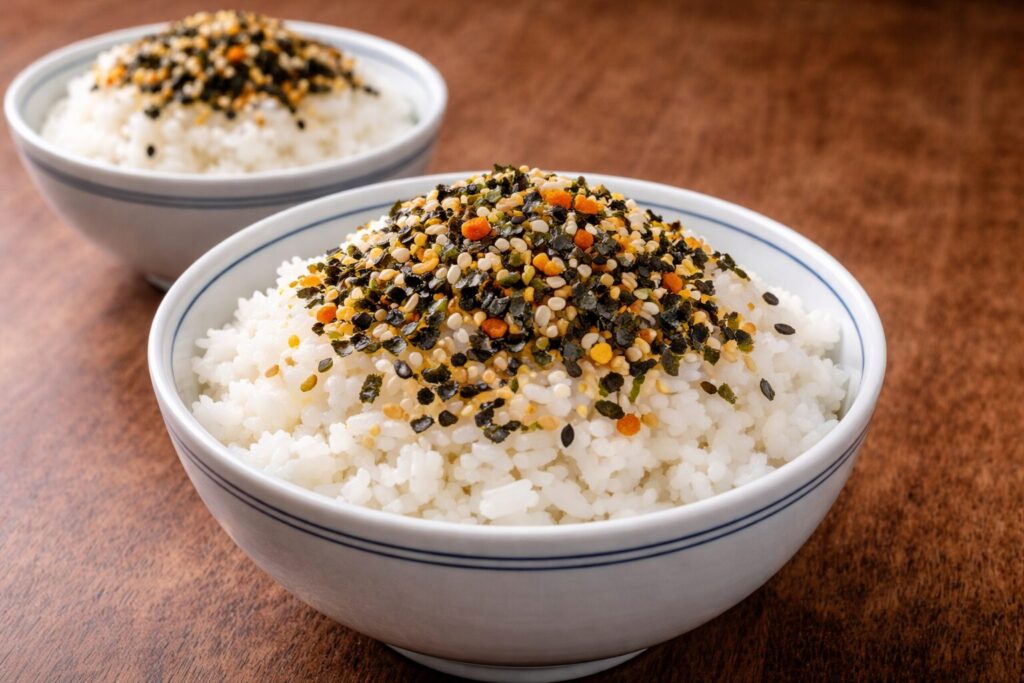
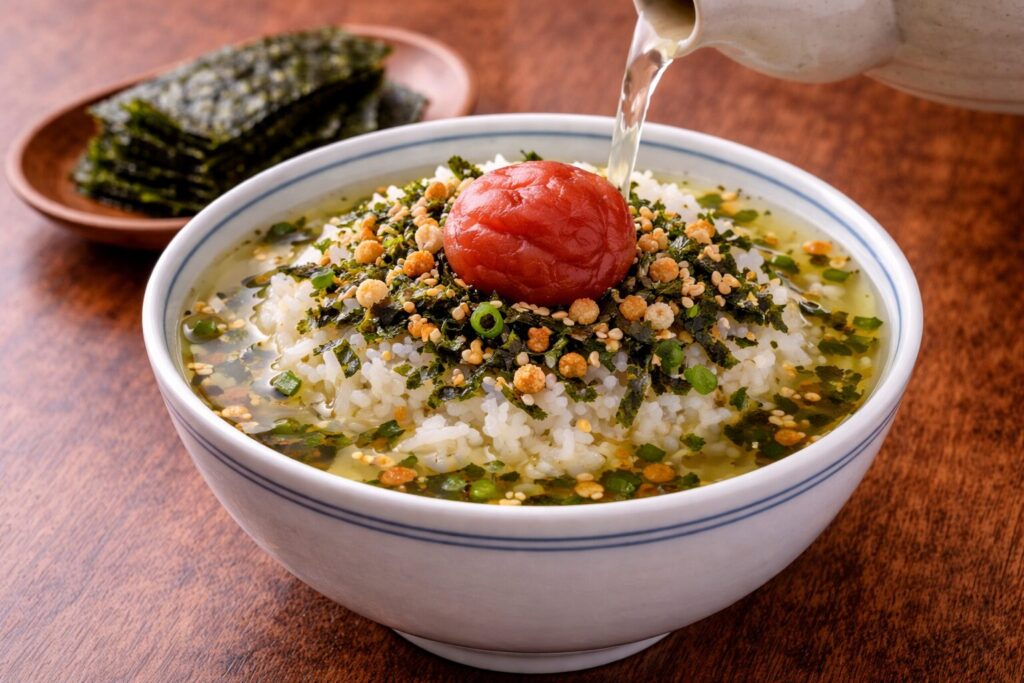
- Ochazuke: A comforting dish made by pouring hot green tea, dashi, or water over a bowl of rice topped with savory ingredients. Shredded nori is scattered on top, infusing the warm broth with an elegant ocean aroma, pairing exceptionally well with toppings like flaked sea bream (tai).
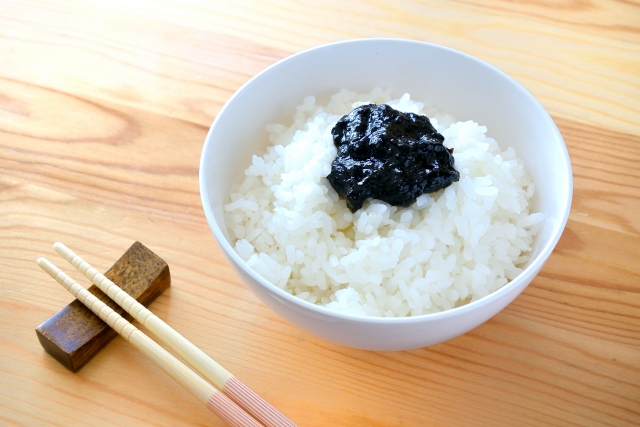
- Tsukudani: A rich, dark paste made by simmering nori in a savory-sweet mixture of soy sauce, mirin, and sugar. It is intensely flavorful and serves as a magnificent accompaniment to a hot bowl of rice.
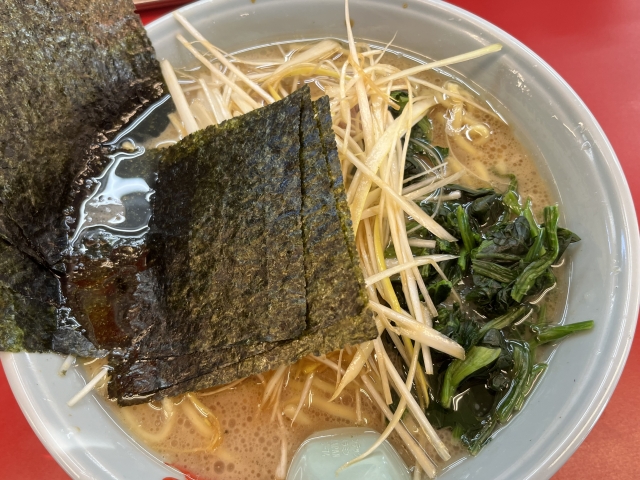
- Ramen: Nori is a staple topping in many ramen styles. It is typically tucked into the edge of the bowl, standing upright to preserve its crispness for as long as possible, allowing diners to enjoy the interplay of hot broth and aromatic seaweed.
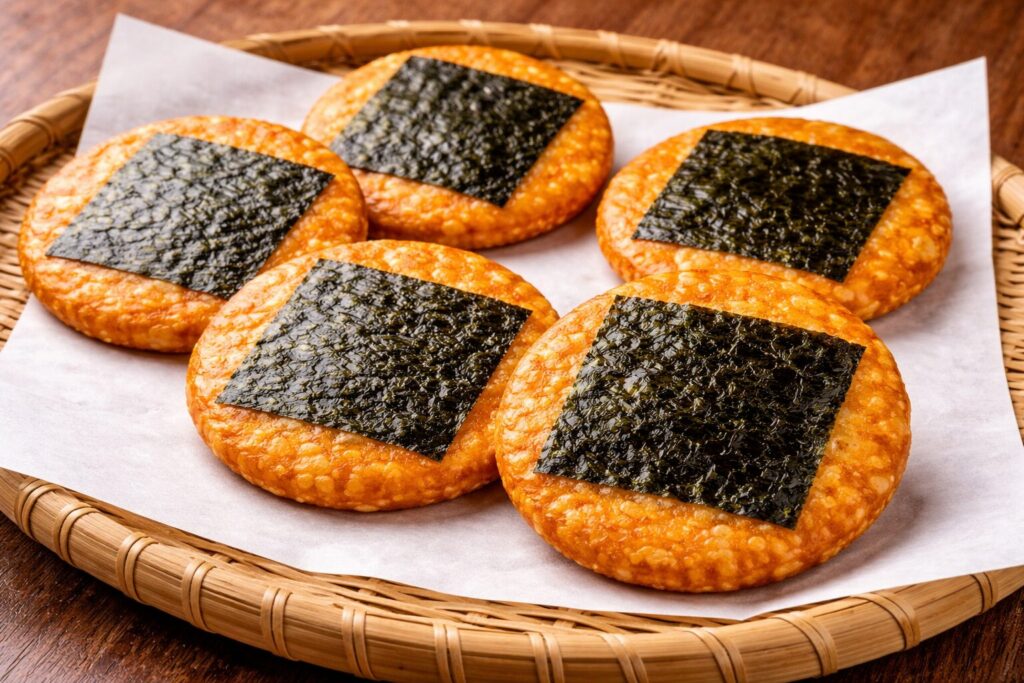
- Senbei (Rice Crackers): Traditional Japanese crackers made from rice. Many premium varieties are wrapped in a crispy sheet of nori, adding a wonderful crackling texture and deep aroma to the savory snack.
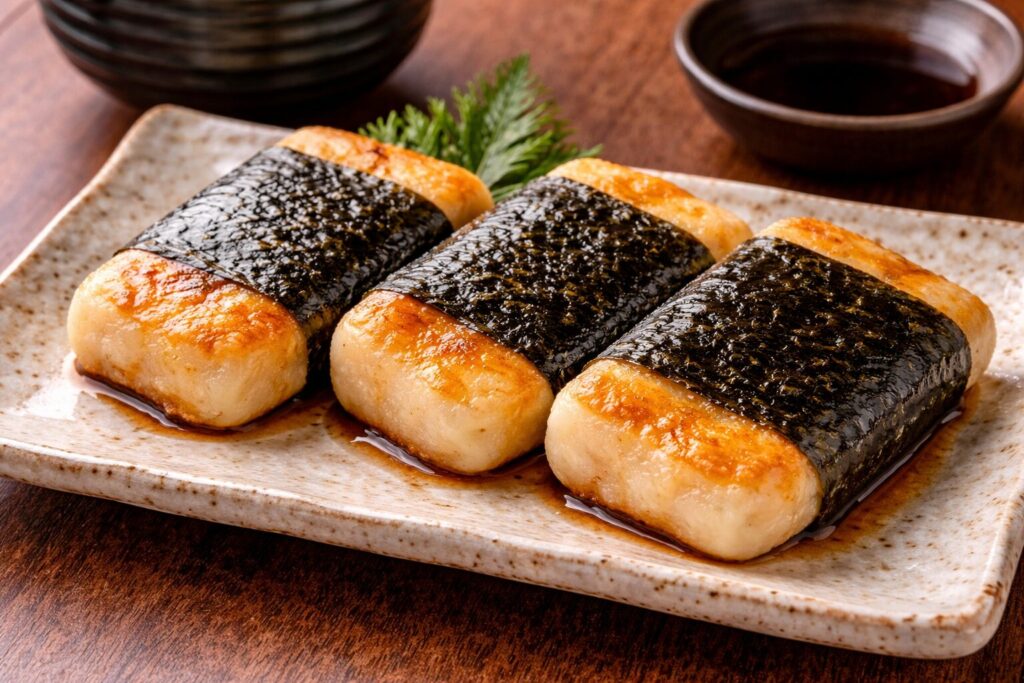
- Mochi (Rice Cakes): When grilling traditional mochi, it is common to dip the sticky rice cake in soy sauce and wrap it tightly in a sheet of nori (known as Isobe-yaki). The contrast between the stretchy, chewy mochi and the crisp, fragrant nori is deeply satisfying.
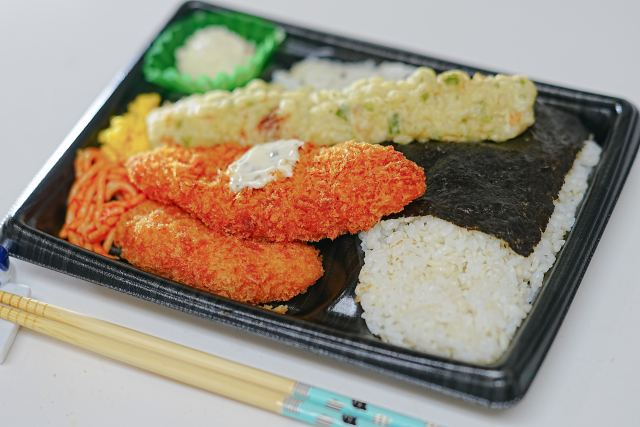
- The Noriben (Nori Bento): A classic, highly popular Bento found across Japanese bento shops. It features a layer of nori spread entirely over a bed of rice (often with a hidden layer of tsukudani or bonito flakes underneath). Despite the nori turning completely soft and moist, it remains an absolute favorite nationwide.
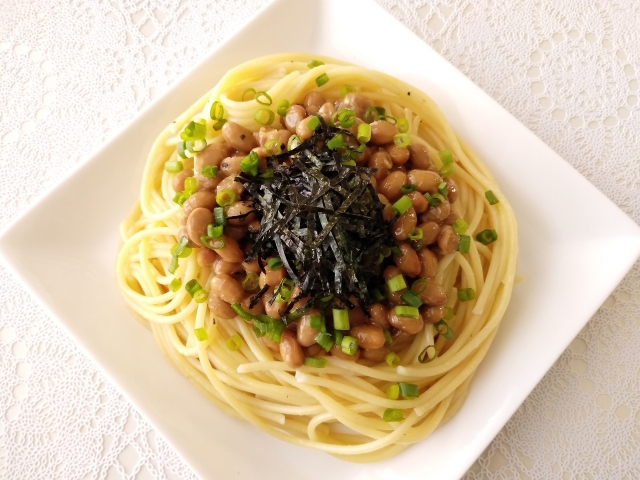
- Wafu Pasta (Japanese-Style Pasta): Nori has elegantly transcended traditional cuisine into Western cooking. Japanese-style pasta utilizes bases like soy sauce, butter, or cod roe (mentaiko), finished with a generous handful of shredded nori on top. It highlights the incredible adaptability of this ingredient to global palates.
Nori Selection in Japanese Supermarkets
To see how deeply nori is integrated into everyday life in Japan, I visited a supermarket and checked the nori section. To get a realistic sense of how common nori is, I intentionally chose a small neighborhood supermarket rather than a large one.
Even in a small store, they carried a variety of nori products — full sheets of nori, seasoned nori, shredded nori, and more. Some of them were even private‑brand products. When a supermarket offers a private brand, it usually means the item is something people buy regularly. In other words, nori is truly a part of daily life in Japan.
The following photo shows how nori was displayed in the supermarket. I hope it serves as a useful reference.
-1-1024x746.jpg)
-1024x904.jpg)
The one on the right is a rolled sushi (makizushi), and the one on the left is an onigiri. Because the rice and the nori are kept separate, you can enjoy the nori with a crispy texture.
-1024x977.jpg)
This is also a type of rolled sushi, but in this case the nori is wrapped around the rice from the beginning. As a result, the nori becomes soft and moist in texture.
-893x1024.jpg)
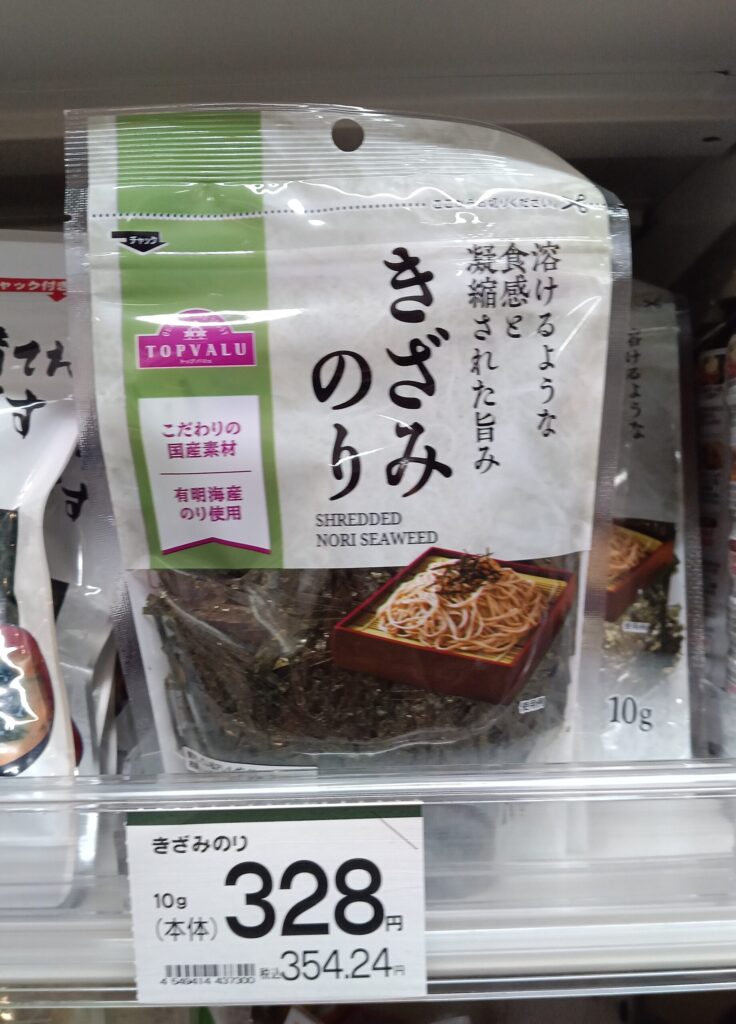
On the right are small sheets of ita‑nori (the type used for onigiri), and on the left is finely shredded nori.
-1-839x1024.jpg)
-1-928x1024.jpg)
On the right is a jar of nori tsukudani, and on the left is a package of seasoned nori.
From My Own Experience
Next, I’d like to share a few personal experiences related to nori.
How We Used Nori in the Past vs. Today
One thing I’ve noticed is that the way we use nori has changed quite a bit over the years. When I was a child, my family almost always had rice for breakfast. Bread was rare in our house.
Breakfast usually consisted of rice, miso soup, and a simple side dish — and nori was always there on the table. Sometimes we also had fish roe, and I often wrapped the roe and rice together with nori. I still remember how the aroma of the seaweed blended perfectly with the warm rice.
Foods That Go Well With Nori
This is purely based on my personal taste, but I still believe that plain white rice is the best match for nori. That’s probably because of my upbringing — nori was always served with rice at breakfast, so whenever I think of that combination, the delicious memories come back to me.
Homemade Nori Tsukudani
This is something I heard from my family: in the past, when nori got old, they would make homemade nori tsukudani (seaweed paste). Of course, bottled tsukudani products already existed back then, but they still made it at home.
Homemade tsukudani lets you enjoy subtle variations in flavor. Store‑bought tsukudani has its familiar, reliable taste, but the homemade version — with its changing flavors — is something I’d love to try myself.
The “Dad, Do Your Best!” Nori Tsukudani
Several food companies sell nori tsukudani, but in the past there was one product called “Otōsan Ganbatte” (“Dad, Do Your Best”). The idea behind the name was to cheer on hardworking fathers — a message meant entirely in good faith.
Now, here’s a story from my own family. One year, around my father’s birthday, we were talking about possible presents. Unexpectedly, he said, “Please, anything but ‘Dad, Do Your Best’.” Apparently, he felt something like: “I’m already doing my best every day — do I really need to try even harder?” So he decided that product wasn’t for him.
Now that I’m an adult with children of my own, I understand him completely. If my kids gave me that product as a gift, I’d probably smile on the outside while crying on the inside.
After all… everyone deserves a little rest, right?
Nori Tsukudani for My Bento
By the way, I often bring nori tsukudani with my bento. This product comes in single-serving packets designed for lunch boxes, making it very convenient to use. For reference, I have included a photo below.
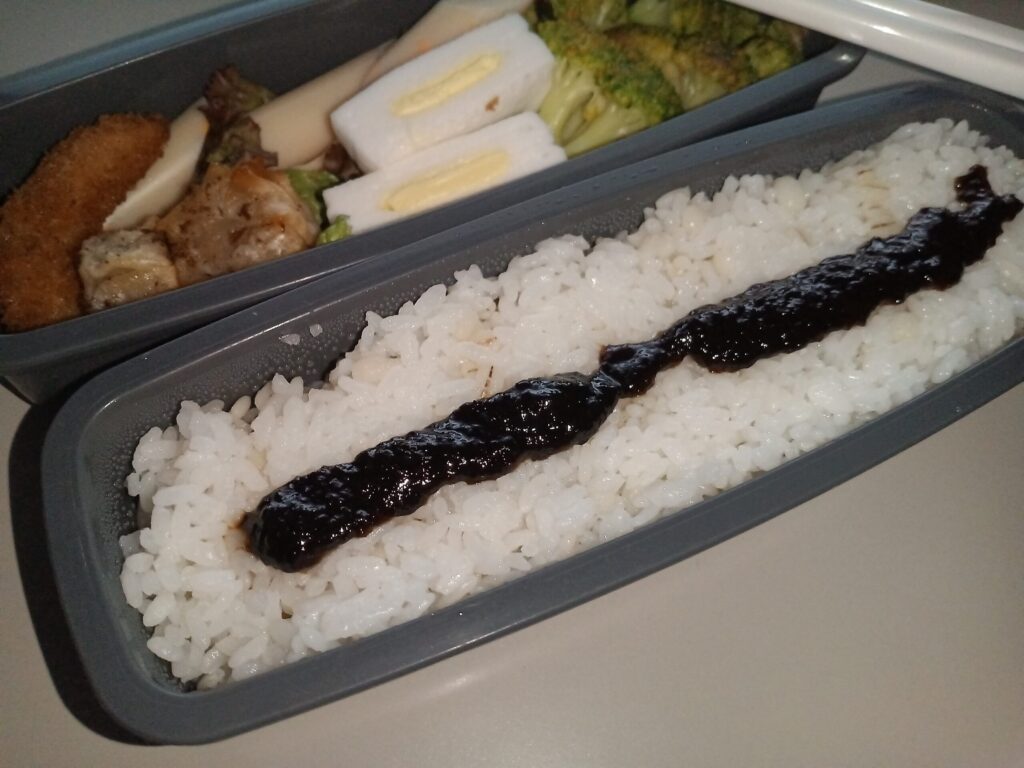
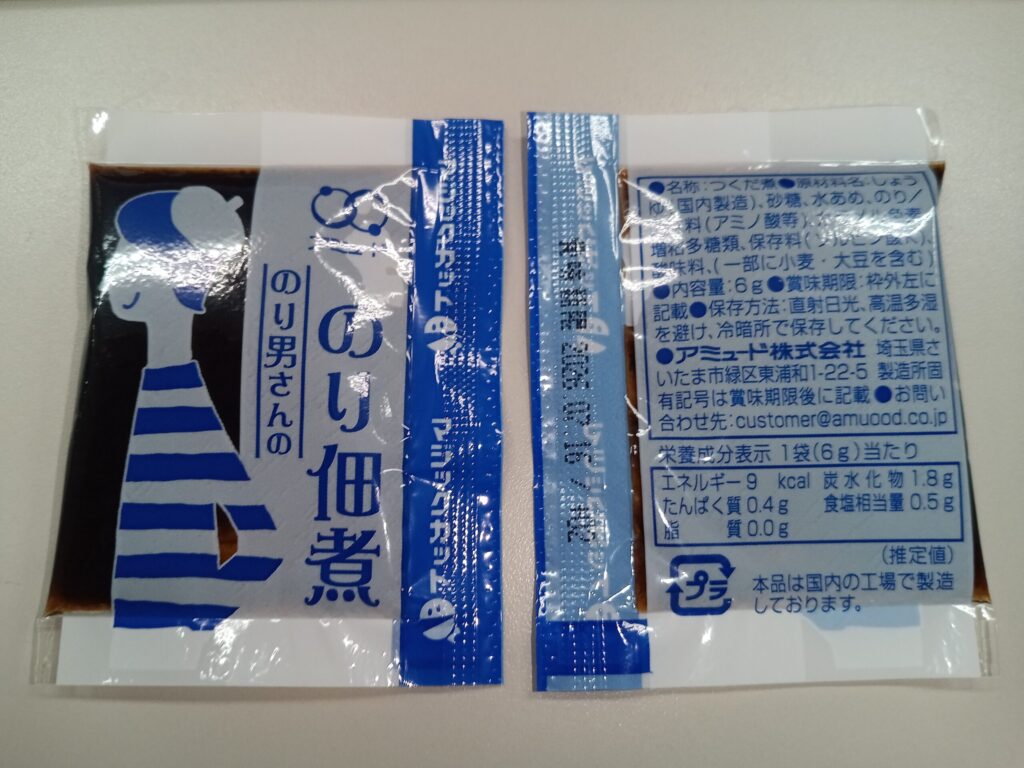
The photo on the left shows rice topped with nori tsukudani in a bento lunch. The photo on the right shows the individual single-serving package of nori tsukudani that I use.
Conclusion
From its ancient historical roots spanning over two millennia to its deep integration into modern daily life, Japanese nori culture is an extraordinarily rich culinary tradition. It is a beautiful example of how a simple gift from the sea can be transformed through craftsmanship, history, and technology into a versatile staple.
Whether you are inspired to try making a traditional sushi roll or exploring modern crossovers like Japanese-style wafu pasta, nori is a culture that Japan proudly shares with the world. If you have the opportunity, please experience the wonderful aroma and textures of authentic Japanese nori!