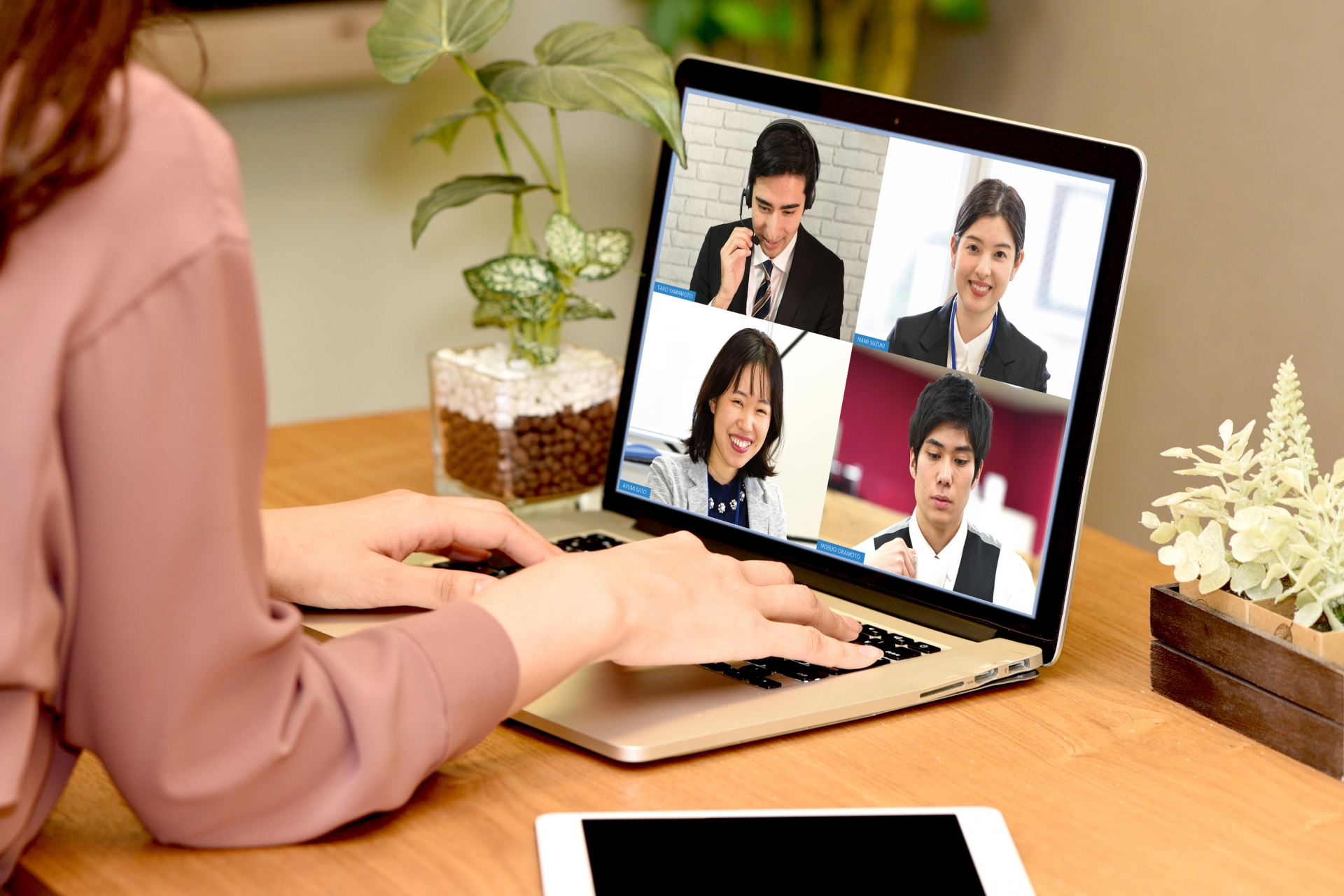
Are you a foreign business professional visiting Japan who suddenly needs a place to get some work done? Or perhaps you are looking for a solid remote work setup in Japan but aren’t sure where to turn?
Don’t worry! Japan actually offers a fantastic variety of locations perfect for nomad work. But what exactly do these places look like?
In this article, we’ll take a look at the best spots for remote work in Japan through a fun, story-style conversation.
Summary:
Nomad Spots in Japan
- Cafés
- Internet Cafés / Manga Cafés
- Fast Food Restaurants
- Family Restaurants
- Karaoke Rooms
Characters
- Mike: A 12-year-old American boy interested in Japan.
- John: Mike’s father. He frequently visits Japan for business.
- Kelly: Mike’s mother. She is good at cooking.
- Nobu: A Japanese international student.
Prologue
Lately, the number of digital nomads and remote workers in Japan has been noticeably on the rise. In the past, the people opening up laptops at cafes or public spaces were mostly local salarymen on business trips. Today, however, you see a much wider variety of people working remotely.
Interestingly, many international travelers also bring their work with them to Japan. For these professionals, finding a reliable, quiet environment to focus is essential. But does Japan have good, secure locations for remote work?
Nomad Work is Fully Possible in Japan
Point:
Japan is actually packed with great locations that cater perfectly to remote work.
John: “I heard from a colleague in Japan that the local digital nomad population is actually quite small compared to other places.”
Kelly: “That might be true… Japanese people are so hardworking, maybe they feel they always have to go directly to the office?”
Mike: “Just look at Nobu! He seems so diligent, like the type who would always go straight to a proper office.”
John: “Which makes me wonder—if I go to Japan and suddenly need a place to work, what should I do? If the nomad population is small, maybe there aren’t many places set up for remote work.”
Nobu: “Hi everyone!”
John: “Oh, hey Nobu! We were just talking about where someone can do remote work if they visit Japan.”
Nobu: “Ah, nomad work? You can absolutely do it out there! In fact, you don’t even need to book special co-working spaces; there are tons of everyday spots that are surprisingly perfect for working.”
John: “Really? Could you tell us more about that?”
The Ultimate Checklist for a Nomad Work Space
Points:
What Remote Workers Need:
- Quiet environment
- Reliable Wi-Fi
- Power outlets
- Food & drink options (or outside food allowed)
- Soundproofing / Privacy
- Late-night access
- Overnight accommodation options
Nobu: “Before we look at the actual locations, let’s break down what a remote worker truly needs. After all, you need a bit more than just a basic table and a chair to get real work done.”
John: “Good point. Mapping out our checklist first will make it much easier to compare places.”
Quietness
Nobu: “A quiet environment is vital. If a place is too noisy, you lose your focus, and productivity plummets.”
John: “Absolutely. Noise is a massive distraction when you’re trying to get things done.”
Nobu: “By the way, in these quiet spots in Japan, you’ll often see local students studying diligently. It proves these places are great for deep focus.”
Reliable Wi-Fi
Nobu: “High-speed Wi-Fi is another must. Back in the day, we only sent text documents, but now we’re sharing heavy video files and hopping on calls. Data usage is huge.”
John: “Exactly. Wi-Fi speed directly dictates work speed. It also needs to be stable. Having your connection drop in the middle of a video upload is a nightmare.”
Nobu: “Yes, and you also want to check if the Wi-Fi has a time limit, so you don’t get abruptly disconnected mid-task.”
Power Outlets
Nobu: “Power outlets are crucial, especially for anyone anxious about their laptop’s battery life.”
John: “Definitely. Laptop batteries degrade over time, so if you’re using an older machine, being near a plug is a lifesaver.”
Nobu: “Plus, you can charge your smartphone. All you need is a charging cable.”
John: “What if you forget your charger? Where can you buy one quickly in Japan?”
Nobu: “You can easily find them at convenience stores or 100-yen shops! No need to hunt down a major electronics department store.”
John: “Wow, that’s incredibly convenient.”
Food & Drinks
Nobu: “Working hard naturally makes you hungry. It’s always a huge plus if a venue serves food and drinks, or if they allow you to bring your own.”
John: “Agreed. Remote work sessions often stretch for hours, so having easy access to sustenance is essential.”
Soundproofing & Privacy
Nobu: “While a quiet space is great, having actual ‘soundproofing’ is a massive advantage.”
John: “Why is soundproofing so important?”
Nobu: “Think about virtual meetings. If you are discussing confidential company info, you can’t have everyone around you eavesdropping. Soundproofing gives you that essential privacy.”
John: “Ah, that makes total sense.”
Late-Night Availability
Nobu: “Depending on deadlines or time zones, some work sessions can go late into the night, or you might need to squeeze in work after a late dinner out.”
John: “Oh, I’ve been there. If you have an urgent presentation due the next morning, you end up burning the midnight oil.”
Nobu: “Exactly, which is why 24-hour or late-night access is a huge benefit.”
Accommodation / Overnight Stays
Nobu: “If your work runs incredibly late, you might even miss the last train home.”
John: “That’s a real risk when you lose track of time during an intense night session.”
Nobu: “Right. If it’s too late to travel back, what would you do?”
John: “I guess I’d have to scramble to find a hotel room.”
Nobu: “Exactly. So, having a workspace where you can actually sleep over can be a massive safety net.”
Top Nomad Work Locations in Urban Japan
Point:
Go-To Spots:
Cafés • Internet Cafés • Fast Food Outlets • Family Restaurants • Karaoke Rooms
Nobu: “Now, let’s look at the actual spaces available. Urban Japan is filled with accessible spots where you can work efficiently while keeping costs down!”
Cafés

Nobu: “The most obvious choice is a café. You’ll see tons of people working on laptops there, and the aesthetic atmosphere is usually the best.”
John: “True, a nice café always gets the creative juices flowing.”
Nobu: “However, the services can be limited. While they offer great coffee and snacks, free Wi-Fi isn’t always guaranteed, and they lack soundproofing. Taking client calls or joining Zoom meetings is usually frowned upon. Plus, you obviously can’t stay overnight, so they are best for quick, light tasks.”
Internet Cafés (Net Cafe / Manga Cafe)
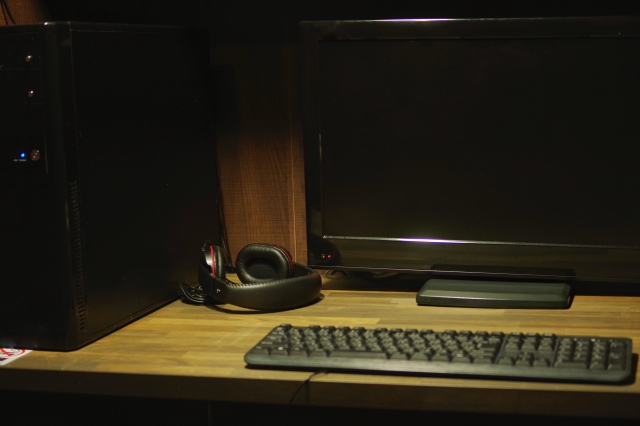
Nobu: “Next up are Internet Cafés. Many of these offer private booths, and some even have completely soundproofed rooms. They come with fast Wi-Fi, unlimited free drink refills, and most places happily let you bring in outside food.”
John: “Wait, really? Japanese internet cafés are that advanced?”
Nobu: “Oh, absolutely. On top of that, they operate 24/7, making overnight stays very common because they are much cheaper than standard hotels.”
John: “Wow, that sounds like an incredibly practical option.”
Nobu: “Just one heads-up: even in ‘soundproof’ booths, complete silence isn’t guaranteed, so it’s best to speak in a lowered voice during online meetings.”
Fast Food Restaurants

Nobu: “Fast food joints are also very viable. They provide cheap food/drinks, free Wi-Fi, and an increasing number of locations feature power outlets at the counters. You’ll see plenty of people working here.”
John: “If a lot of people are doing it, it must be widely accepted.”
Nobu: “Yes, it’s incredibly common. The downside is that the Wi-Fi often has a strict time limit per session, and it can get very loud, especially around lunchtime when families and kids come in.”
Family Restaurants (“Famiresu”)
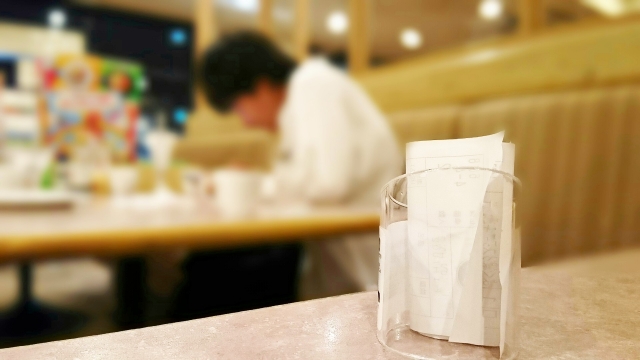
Nobu: “Family restaurants are another fantastic option. Most chains provide free Wi-Fi, spacious tables, and endless drink bars. Many locations stay open late into the night, allowing you to settle in for longer work sessions.”
John: “Spacious tables and endless drinks? That sounds perfect for a long session.”
Nobu: “It is! But keep in mind, they can get quite lively and noisy. Since conversations carry across the room, it’s definitely not the place for confidential business calls.”
Karaoke Rooms
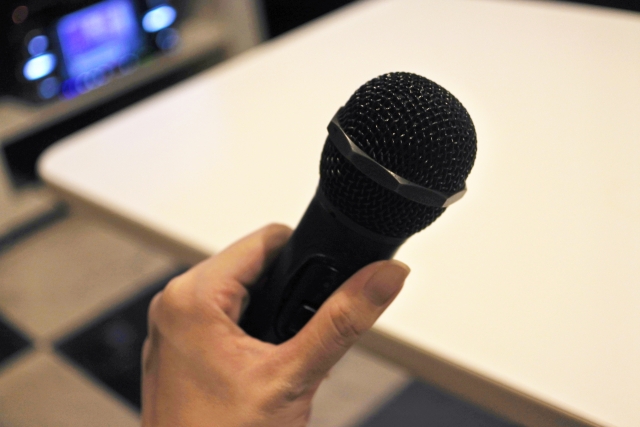
Nobu: “A surprising but highly effective hidden gem is the Karaoke room! Many modern karaoke chains offer free Wi-Fi, power outlets, and full food and drink menus (some even allow outside catering). Because it’s a private, walled-off room, it can be surprisingly quiet during daytime hours, and many stay open all night.”
John: “Wow, working from a karaoke room? I never would have thought of that!”
Nobu: “Yes! However, amenities and pricing packages vary drastically depending on the specific brand and location, so doing a quick check beforehand is recommended.”
Pro-Tip: Find the Spot That Fits Your Style
Point:
Equipment, services, and operating hours vary heavily by specific branch. Scout out your favorite spots ahead of time!
Nobu: “From cafés to karaoke rooms, the absolute key is finding the specific spot that suits your workflow. If you are just visiting for a quick trip, scouting can be tough, but if you are staying long-term, finding your ‘go-to’ branch ahead of time will skyrocket your efficiency.”
John: “What do you mean by specific branch?”
Nobu: “Even within the same company chain, layouts, outlets, and hours vary by location. One branch might be open 24 hours, while another down the street closes at midnight. Location and local foot traffic matter a lot.”
John: “Ah, got it. Walking into the wrong spot could completely ruin your focus and work momentum.”
End
From Personal Experience
Back when I was working a side hustle as a freelance writer, I practically lived in these public workspaces. My absolute favorite go-to was the Internet Café. Japanese net cafés cater heavily to PC gamers, meaning their computers are incredibly high-spec and lightning-fast. Working on their massive monitors actually made me way more productive than working from home! Plus, being able to bring in my own snacks was great. (Though, when I foolishly asked a staff member if I could have a commercial pizza delivered straight to my booth, they politely declined—a reminder to keep things reasonable!)
I also regularly utilized Family Restaurants. For instance, after visiting an exhibition to write a review report, I would hop into a nearby family restaurant, smash out the article in about an hour, and reward myself with a delicious meal before heading home. Utilizing these spots is a game-changer for boosting your time-management and maximizing those small windows of free time throughout the day.
By the way, I’d like to share a few photos here. They were taken during a recent visit to a Japanese internet café, where I spent some time working remotely.
As you can see from the photos, the private booths in internet cafés are not particularly spacious. However, they are usually equipped with large computer monitors, making it easy to work on multiple tasks at the same time.
This particular internet café also allowed customers to bring in their own food. During my visit, I worked while enjoying some Kentucky Fried Chicken, which made the experience surprisingly comfortable.
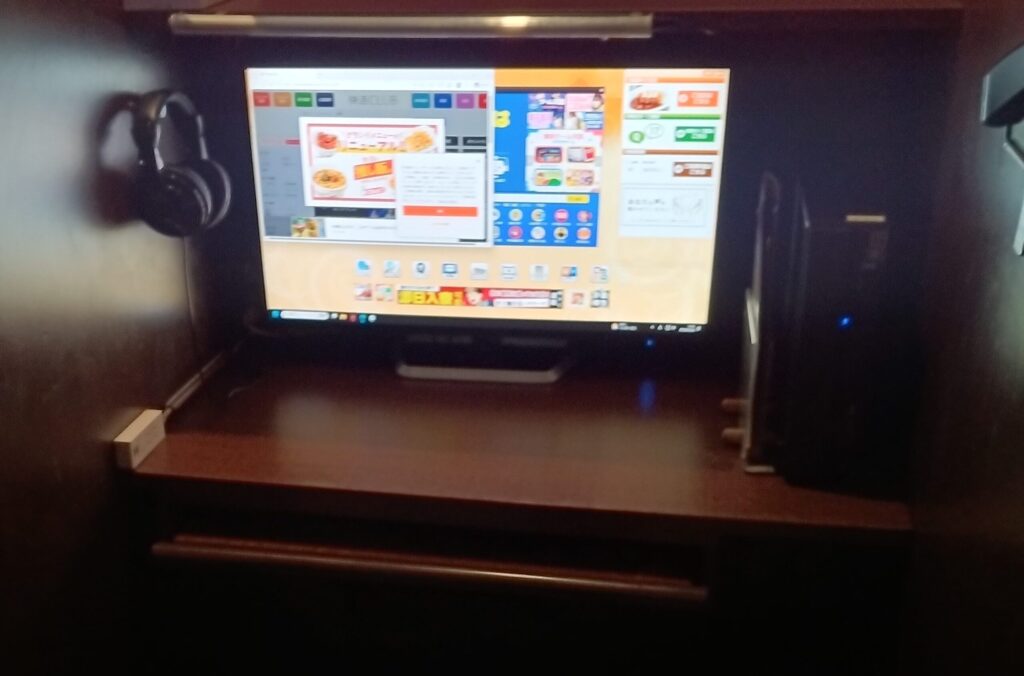
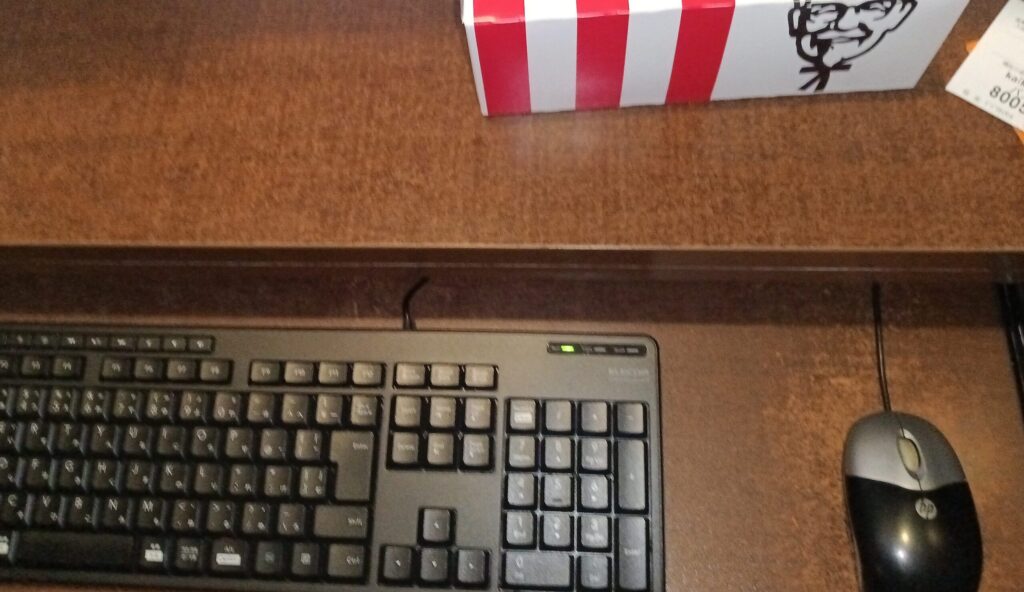
The photo on the left shows the inside of the private booth at the internet café I visited. The desk area can be seen on the left side of the booth.
You may also notice a box of Kentucky Fried Chicken near the edge of the photo. Since this internet café allowed customers to bring in their own food, I spent some time working there while enjoying my meal.
Conclusion
Finding the right remote workspace is a massive win for your overall “time performance” (Time-Po) and works wonders for your work-life balance. Whether you are a dedicated digital nomad or a business traveler arriving in Japan soon, we hope this guide serves as a helpful roadmap. Scout out your perfect workspace, settle in, and have a highly productive stay in Japan!