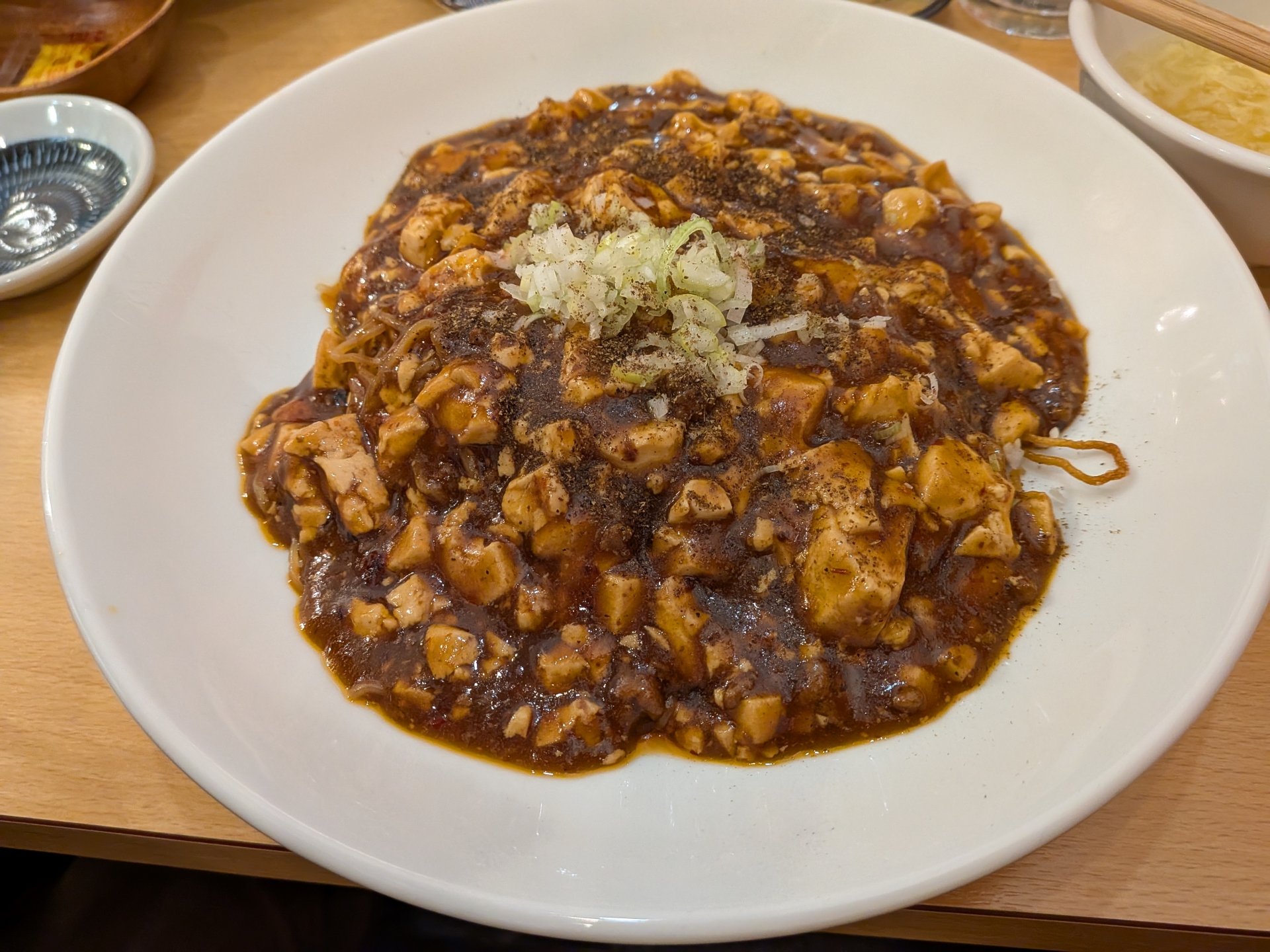
When people think of Japanese food, delicious dishes like sushi and ramen usually come to mind. However, have you ever heard of a culinary category called “B-class gourmet” (Class-B Cuisine)? What exactly is B-class gourmet? In this article, we will introduce the world of B-class gourmet through a story-style journey.
Summary
- What is B-class gourmet? It refers to local dishes that are inexpensive, casual, and delicious, often served with the purpose of revitalizing regional towns.
- Where can you find it? B-class gourmet can be found all over the country, making it highly entertaining to seek out during your travels.
Characters
- Mike: A 12-year-old American boy interested in Japan.
- John: Mike’s father. He frequently visits Japan for business.
- Kelly: Mike’s mother. She is good at cooking.
- Nobu: A Japanese international student.
Prologue
While Japan offers a wide variety of delicious cuisine, Japanese people do not eat gourmet meals every single day. First of all, expensive meals like high-end sushi are not something people can afford regularly. In their daily lives, Japanese people eat much more modest and simple meals.
Lately, however, a culinary category known as “B-class gourmet” has emerged. Unlike luxury dining such as high-end sushi, this category consists mostly of casual, everyday comfort foods.
Precisely because of this, it represents a food culture that international visitors can easily enjoy. So, what exactly is B-class gourmet in concrete terms?
Let’s Enjoy B-class gourmet!
Points:
- B-class gourmet consists of local dishes characterized as “inexpensive,” “unpretentious,” “casual,” and “easy to eat.” Prices are generally under 1,000 yen.
- These dishes are scattered all across Japan. Visiting regional cities to find them is highly recommended.
Kelly: “Japanese food is incredibly delicious and wonderful, but if we keep eating out like this, no amount of money will ever be enough.”
John: “You’re right. If the whole family goes out for sushi, it gets really expensive. It’s not something we can do continuously.”
Kelly: “Exactly.”
(Nobu enters)
Nobu: “Hello there!”
John: “Ah, you came at the perfect time. We were just talking about the prices of food in Japan.”
Mike: “Yeah, we were saying that since sushi is so expensive, we can’t go to sushi places back-to-back.”
Nobu: “I see. But you know, even Japanese people don’t eat luxurious meals every day. Usually, our meals are much more modest.”
Kelly: “Let me ask you then—what do you do when you want to eat out and want something delicious?”
Nobu: “Hmm… Gyūdon (beef bowl) shops are always a solid choice, but for example, if I were hosting guests from overseas, I would love to invite them on a journey to try B-class gourmet.”
Kelly: “What is that? This ‘B-class gourmet’?”
Nobu: “Right, it probably needs a little bit of explanation.”
What Exactly is B-class gourmet?
Nobu: “To put it simply, B-class gourmet refers to local dishes characterized as ‘inexpensive,’ ‘unpretentious,’ ‘casual,’ and ‘easy to eat.’ If we consider luxury dining like high-end sushi as ‘Class-A,’ then B-class sits just below that. However, despite not being luxurious, it is defined by being cheap and delicious. On top of that, some of the dishes are quite unique, so I highly recommend it, especially for travelers.”
John: “You mentioned low prices, but what kind of price range are we talking about?”
Nobu: “It depends on the item, but generally, it’s under 1,000 yen.”
Mike: “Wow, that really is cheap!”
Nobu: “Japan has a lot of food that is both cheap and delicious, so B-class gourmet might just be the perfect representative of that.”
Travelling to Find B-class gourmet is Fun
Nobu: “You can find B-class gourmet in Tokyo, but it’s also all over Japan—from Hokkaido down to Kyushu, in countless towns. In Japan, the food changes depending on the region, and sometimes even the local temperament is different. I believe each region has its own unique food culture.”
Mike: “In that case, instead of only eating in Tokyo, traveling to various towns just to eat sounds like a lot of fun.”
Nobu: “Exactly! Going to regional towns and soaking in the local atmosphere is one of the best parts of traveling. Plus, some of these towns have hot springs (onsen), so visiting those places and eating local B-class gourmet can be an incredible experience.”
Mike: “And since we can use the Shinkansen (bullet train) to get around quickly, we could probably eat in so many different places!”
Nobu: “Spot on. It’s exciting, isn’t it?”
B-class gourmet Towns Close to Tokyo
Points:
- Recommended B-class gourmet easily accessible from Tokyo:
- Tochigi Prefecture, Utsunomiya: “Gyoza” (Dumplings)
- Saitama Prefecture, Chichibu Region: “Waraji Katsu-don” (Deep-fried Pork Cutlet Bowl)
- Tokyo, Tsukishima: “Monjayaki” (Savory Pan-fried Batter)
Nobu: “That being said, I know it can be tough to land at the airport and immediately head out to distant countryside regions. So first, let me introduce some B-class gourmet in areas near Tokyo that are relatively easy to visit.”
Mike: “I’m looking forward to it!”
Nobu: “Just keep in mind that B-class gourmet menus exist all over Japan. So, please remember that these are simply options chosen because they are easy to get to from Tokyo.”
Tochigi Prefecture・Utsunomiya: “Gyoza”
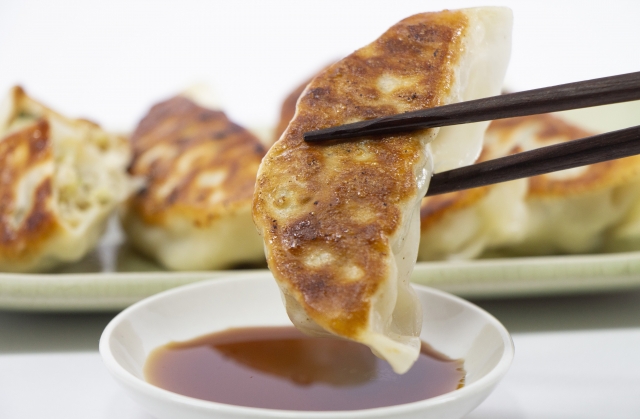
Nobu: “First up is Gyoza from Utsunomiya in Tochigi Prefecture. The main feature of these dumplings is that they are packed with vegetables like cabbage and Chinese cabbage, while garlic is kept very subtle. Because the flavor is light and refreshing, you can eat a lot of them. Historically, Tochigi Prefecture has been a major producer of vegetables like cabbage and Chinese cabbage, which is part of the background.”
John: “Was there a specific trigger or catalyst that made Gyoza so famous there?”
Nobu: “Apparently, it started when city officials noticed statistics showing that their city had the highest gyoza consumption in Japan. I heard there was some opposition at first, but local gyoza shops cooperated, and eventually, it was featured on TV programs, leading to its massive popularity today.”
John: “I see, so there was an interesting story behind it.”
Mike: “By the way, how do we get to the city of Utsunomiya?”
Nobu: “From Tokyo, it takes about 1 hour by Shinkansen. If you take a local train line, it takes about 2 and a half hours. It’s really not that far from Tokyo.”
Saitama・Chichibu Region: “Waraji Katsu-don”
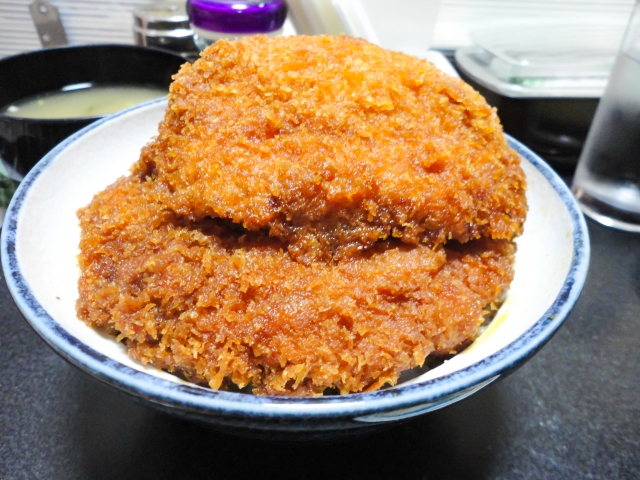
Nobu: “Next up is ‘Waraji Katsu-don’ from the Chichibu region in Saitama Prefecture. This is completely different from a standard katsu-don. Thinly sliced pork is cut into large pieces, deep-fried, and coated in a special savory sauce. The cutlets are so massive they overflow from the bowl, making it a truly ‘breathtaking bowl.'”
Kelly: “I thought katsu-don always used eggs, but this one is different, isn’t it?”
Nobu: “Yes. Katsu-don actually varies by region, and some areas finish it with a special glaze or sauce instead of egg. You could say Waraji Katsu-don is like a luxury, oversized version of that style.”
John: “And how do we get to the Chichibu region in Saitama?”
Nobu: “For this one, you’ll take the train. It takes roughly 2 hours.”
Tokyo・Tsukishima: “Monjayaki”
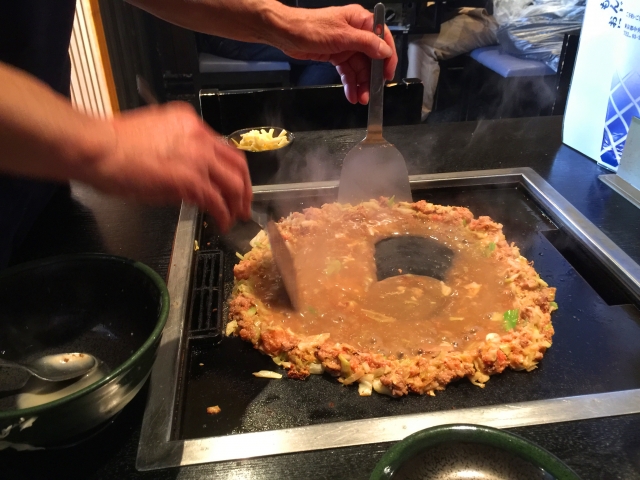
Nobu: “Next is Monjayaki. It’s made by cooking a liquid batter of dissolved flour on a grill. Along with vegetables like cabbage, ingredients include seafood like shrimp and squid, as well as meat.”
Mike: “Wait, so they bring out the ingredients before they are cooked?”
Nobu: “That’s right. The ingredients are brought to your table, and the customers cook it themselves. However, since many people don’t know how to cook monjayaki properly, the restaurant staff will happily grill it for you if you ask.”
Mike: “Ah, I see. That’s a relief then.”
John: “By the way, where should we go to eat delicious monjayaki?”
Nobu: “The absolute best place to go is a district in Tokyo called Tsukishima. There is an entire street lined with monjayaki restaurants. It even attracts plenty of tourists from other parts of Japan.”
Let’s Venture Further Afield!
Points:
- Recommended B-class gourmet in regions further away from Tokyo
- Akita Prefecture, Yokote: “Yokote Yakisoba” (Fried Noodles)
- Shiga Prefecture, Nagahama: “Yakisaba Sōmen” (Grilled Mackerel with Fine Noodles)
- Mie Prefecture, Kameyama: “Miso Yaki-Udon” (Pan-fried Thick Noodles with Miso)
Mike: “By the way, didn’t you say B-class gourmet is all over Japan?”
Nobu: “Yes, that’s right. B-class gourmet can be found in various locations across Japan. For people who have plenty of time to spare, traveling to distant regions can be incredibly rewarding.”
John: “In that case, could you tell us your recommended menu items?”
Nobu: “Certainly. However, please keep in mind that this is strictly my personal choice. If you are interested, I think it’s best to do some research on your own as well!”
Akita Prefecture・Yokote: “Yokote Yakisoba”
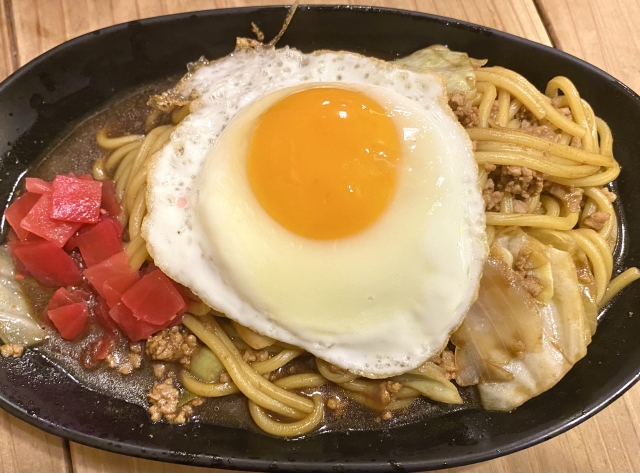
Nobu: “First is a menu item from Yokote in Akita Prefecture called ‘Yokote Yakisoba.’ A major characteristic is that a fried egg is placed right on top of the yakisoba noodles. Also, the noodles themselves are unique. They use thicker noodles than standard yakisoba. This is done so you can enjoy a wonderfully chewy texture. While yakisoba is a dish you can eat anywhere, you could say Yokote Yakisoba is a dish where creative local twists were added.”
John: “How do you get to this town called Yokote?”
Nobu: “You use the Shinkansen. You will transfer to a local line along the way, but the transfer is not very difficult.”
Shiga・Nagahama: “Yakisaba Sōmen”
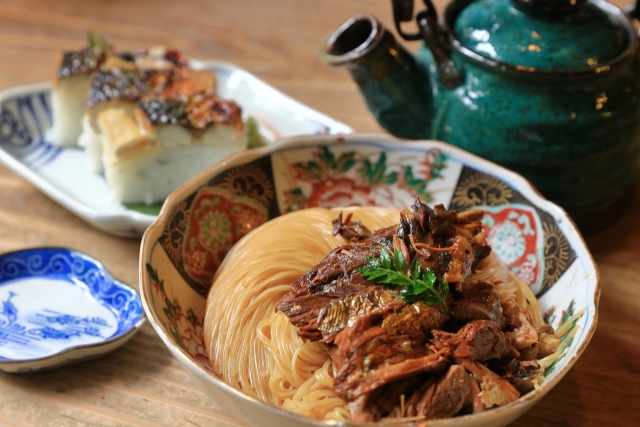
Nobu: “Next is ‘Yakisaba Sōmen’ from Nagahama in Shiga Prefecture. They simmer grilled mackerel in a special savory sauce, and then use that remaining broth to cook thin sōmen noodles to a firm texture. Then, they arrange the mackerel on top of the noodles so they overlap. Generally, sōmen is eaten by chilling the boiled noodles and dipping them into a dipping sauce, so this is quite a different style.”
Kelly: “What exactly is sōmen?”
Nobu: “They are very thin noodles made from wheat. It’s a different type of noodle compared to ramen or udon.”
John: “By the way, how do we get to Shiga Prefecture?”
Nobu: “You’ll use the Shinkansen for this one too. You transfer to a local line along the way.”
Mie Prefecture・Kameyama: “Miso Yaki-Udon”
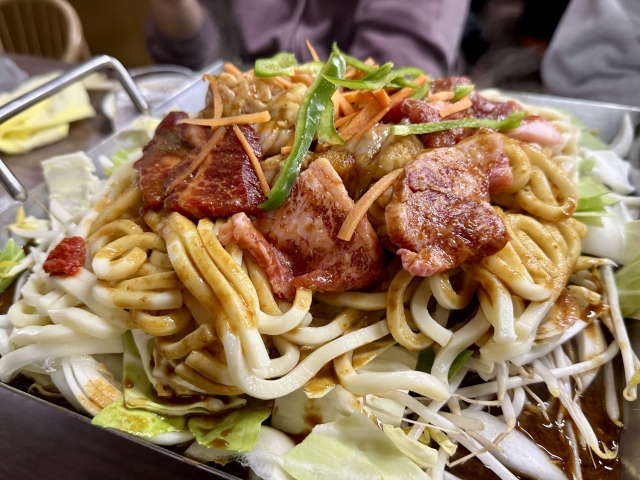
Nobu: “Next up is ‘Miso Yaki-Udon’ from Kameyama in Mie Prefecture. This particular menu item seems to have been created specifically for regional town revitalization. Thick udon noodles are stir-fried with vegetables and meat, and seasoned with a signature special miso sauce. This miso sauce is so distinctive that rather than just enjoying the noodles, it feels more like a dish meant for enjoying the sauce itself.”
Kelly: “A miso sauce, I see! The Japanese culture surrounding miso is truly fascinating.”
Nobu: “I think so too. Miso shows up in so many different places and dishes. It’s no surprise that it makes an appearance in B-class gourmet like this.”
John: “How do we get to Kameyama?”
Nobu: “The Shinkansen is convenient for this as well. You transfer to a local line along the way, but it’s a bit complicated. It requires double-checking before you go.”
John: “I see. Even though it’s called ‘B-Kyū,’ it sounds like something that shouldn’t be underestimated at all.”
End
From Personal Experience
I have an acquaintance in Yokote, Akita, and I occasionally visit that region. Akita Prefecture is one of the heaviest snowfall areas in Japan, with snow accumulation exceeding 1 meter in the winter. The winter climate there is exceptionally harsh.
Now, the Yokote Yakisoba served in such a harsh town was a dish that welcomed us with true warmth. It wasn’t just about having a fried egg on top; the unique bite and chewiness of the noodles thoroughly delighted me.
By the way, after returning home from Yokote, I tried putting a fried egg on top of regular yakisoba. While it was somewhat similar, it turned out to be a completely different dish. After all, it is something that truly must be eaten in Yokote.
Cooking Monjayaki Yourself
Here, I would like to show some photos of monjayaki.
Monjayaki is a dish in which customers cook the ingredients themselves on a hot iron griddle built into the table. The photos should give you a general idea of how it is prepared.
First, here is what it looks like before cooking. The ingredients are cooked directly on the iron griddle attached to the table.
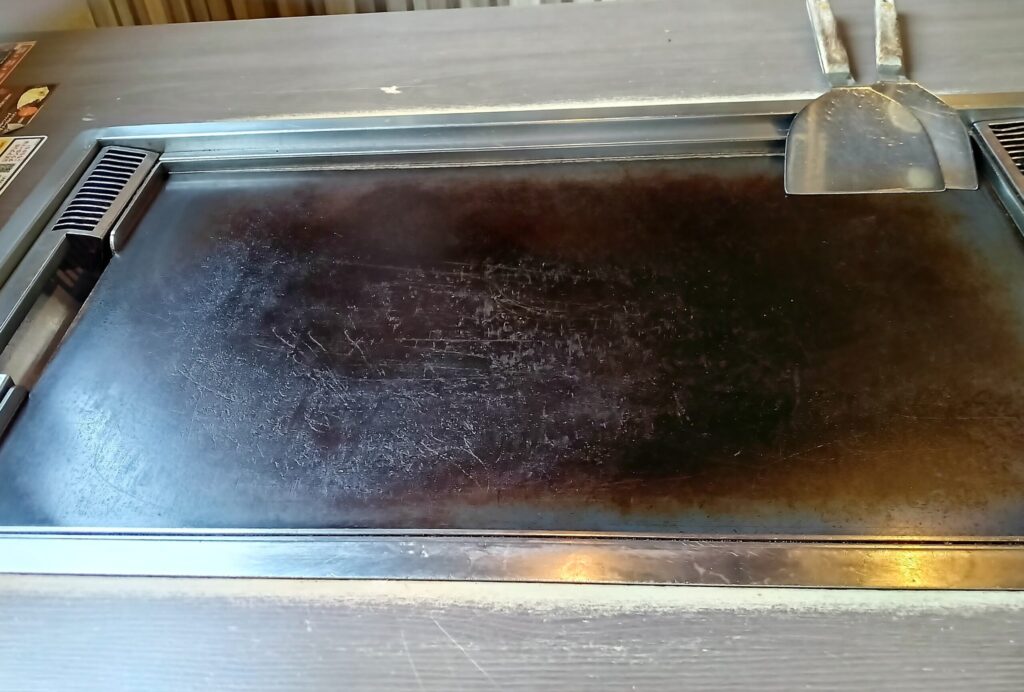
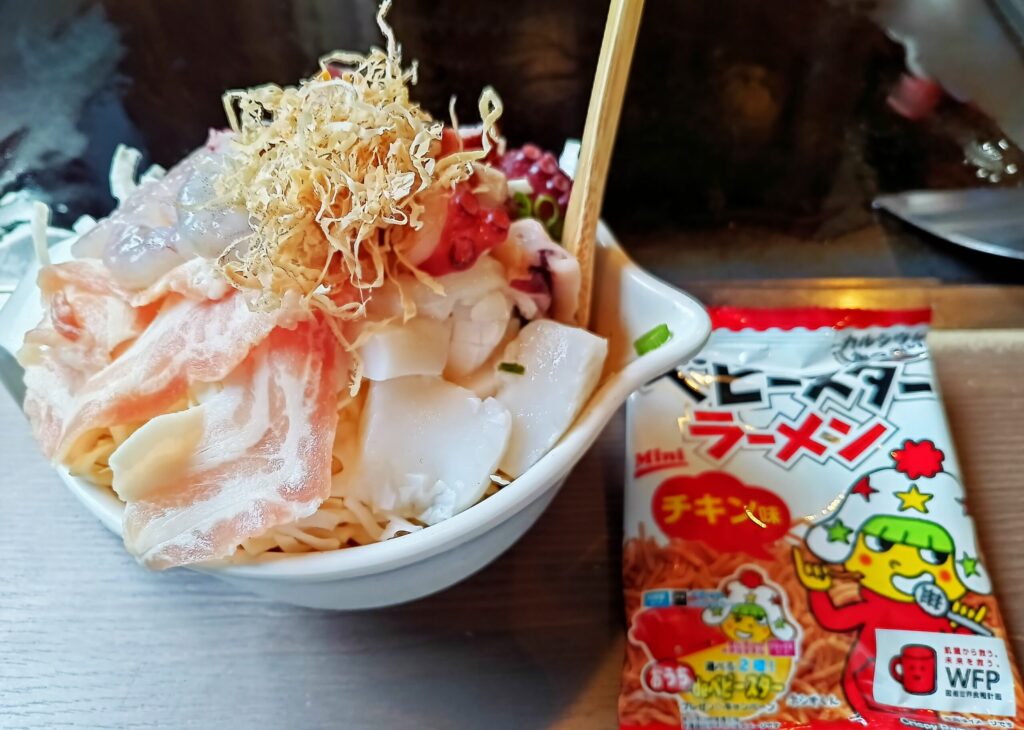
The photo on the left shows the iron griddle built into the table. This is where the monjayaki is cooked.
The photo on the right shows the ingredients before cooking.
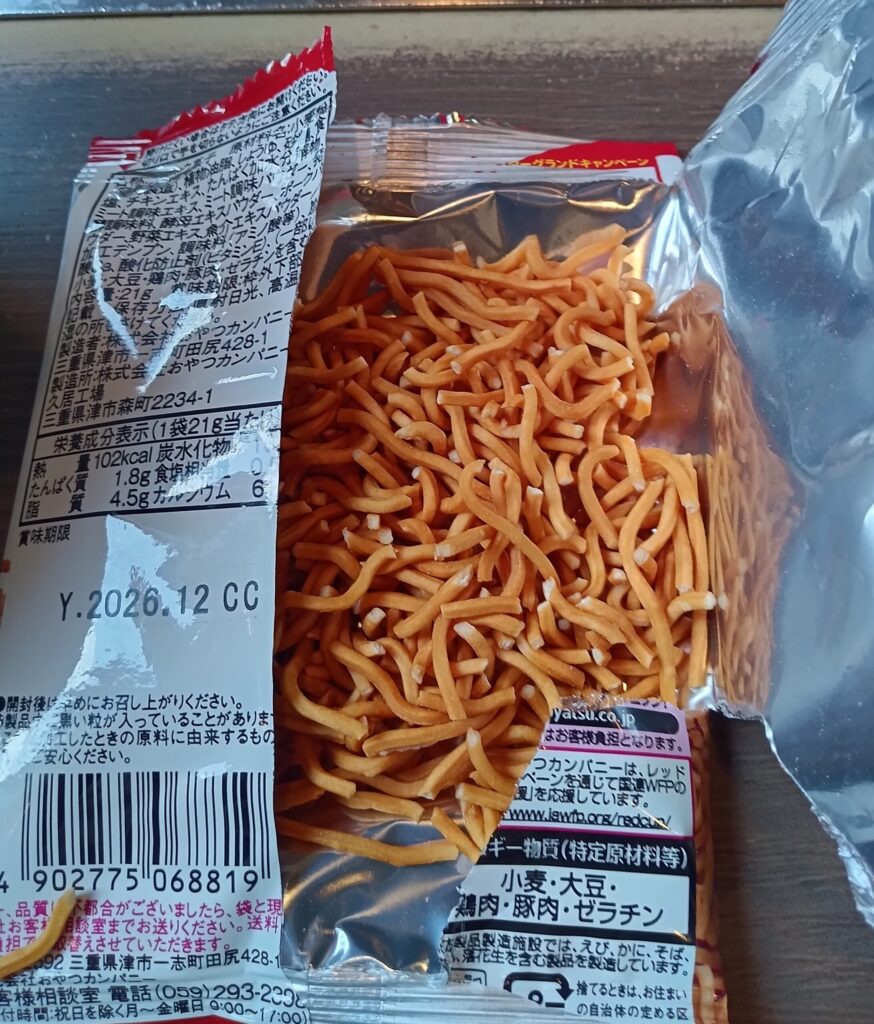
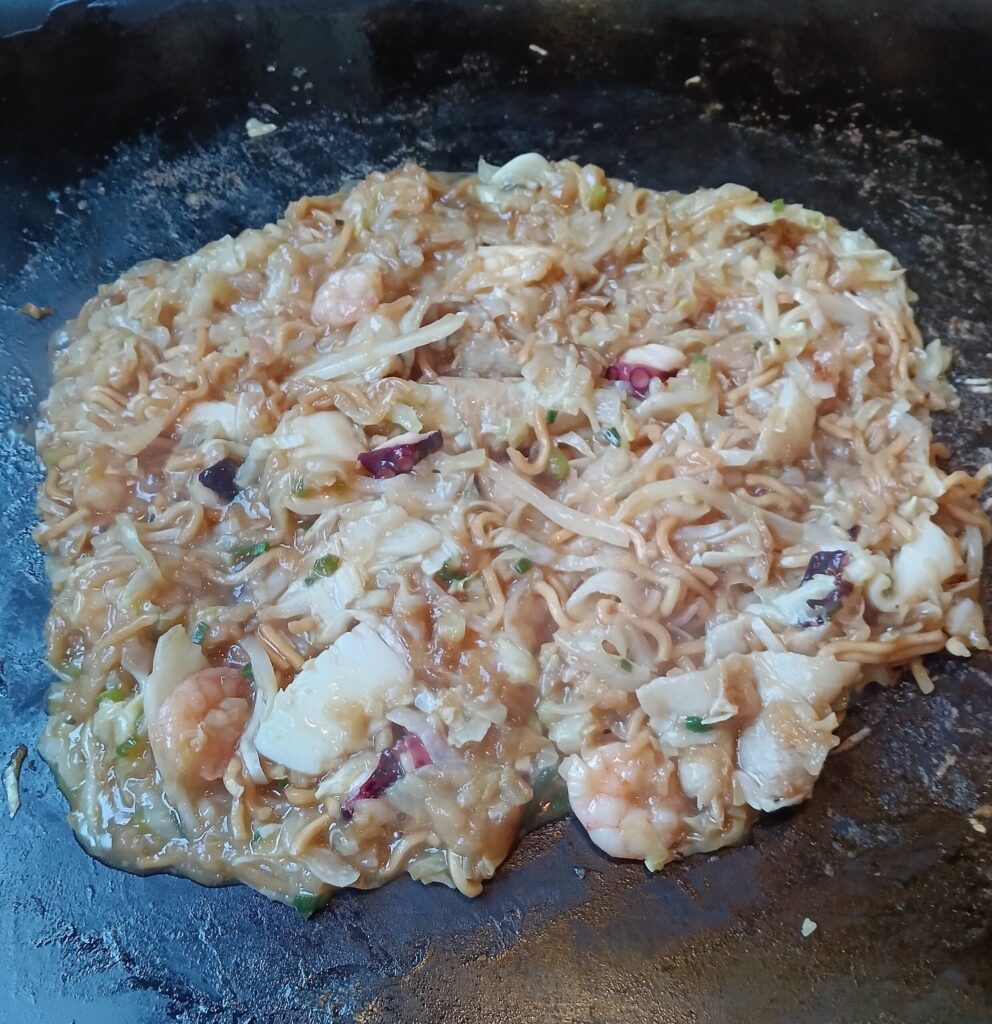
This particular monjayaki is a little unusual because it is made with crushed children’s snack chips mixed into the ingredients.
The photo on the left shows the snack chips before they are added. The photo on the right shows the finished monjayaki after it has been cooked.
Conclusion
In this article, we introduced the world of B-class gourmet. While Japan offers a vast array of cuisines, I am sure many of you have made new discoveries today. Furthermore, for those who previously felt that Japanese food is always expensive, I believe these options presented an incredibly attractive and reasonable price point.
As mentioned earlier, B-class gourmet is waiting for you all over Japan. Since you can easily gather information using your smartphone, why not head out and explore the regional parts of the country? You are bound to encounter wonderful discoveries that can never be found in a massive metropolis like Tokyo.