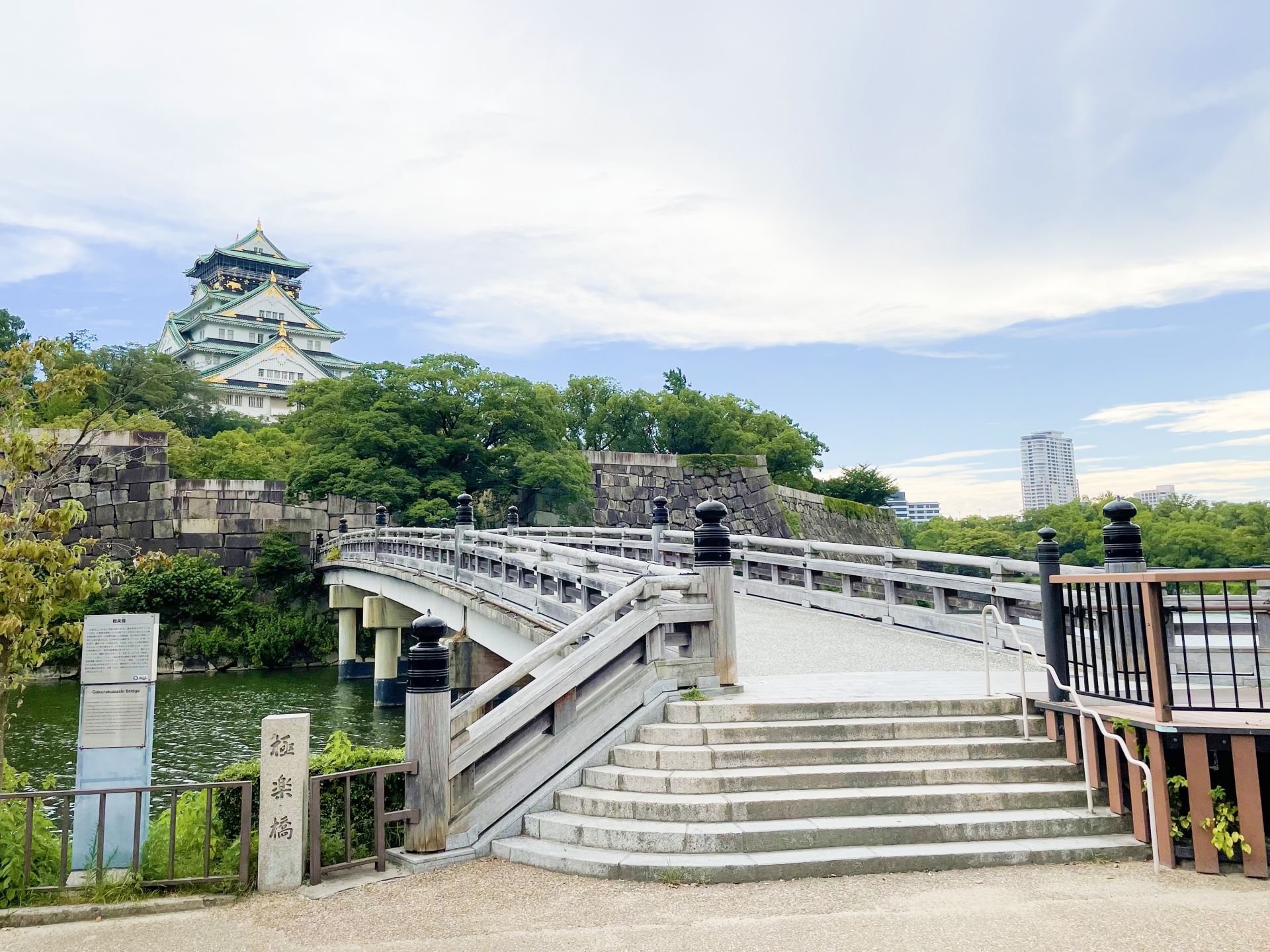
When people think of Japanese visual culture, anime is usually the first thing that comes to mind. It has a massive global fanbase spanning all generations. However, there is another rich television genre in Japan called “Jidaigeki” (Period Dramas). These shows are set in historical Japan, and they might still be a hidden gem to many international audiences.
In this article, we’ll dive into what Jidaigeki is all about and share some top personal recommendations!
Summary:
Why You’ll Love Jidaigeki
- Easy-to-Follow Storylines: You can jump right in and enjoy the plot without getting lost.
- A Window into Old Japan: It’s a fun way to learn about historical Japanese culture.
- Fascinating Cultural Backgrounds: Discover the world of sword fighting (Chanbara) and the strict feudal caste system.
- Diverse Categories: From classic good-versus-evil tales to grand historical epics.
- Characters
- TV Period Dramas: It’s Not Just About Kurosawa Movies
- The Core Appeal of Jidaigeki
- Essential Cultural Context to Enjoy Jidaigeki
- Exploring Jidaigeki Categories
- Where Can You Watch Jidaigeki Today?
- From my personal experience
- Conclusion
Characters
- Mike: A 12-year-old American boy interested in Japan.
- John: Mike’s father. He frequently visits Japan for business.
- Kelly: Mike’s mother. She is good at cooking.
- Nobu: A Japanese international student.
TV Period Dramas: It’s Not Just About Kurosawa Movies
Point:
Japanese period dramas go way beyond the famous films of Akira Kurosawa.
Kelly: “Hey, a friend told me something interesting recently. Aside from anime, Japan has a whole genre of TV shows set in ancient times. Is that true?”
John: “Oh, you mean Jidaigeki! Yes, most of those shows are set in the Edo period. That was back when samurai carried swords, so the action scenes are mostly Chanbara.”
Mike: “Chanbara? What’s that?”
John: “It means sword fighting! I believe the word comes from the sound of swords clashing together—chan-chan-bara-bara.”
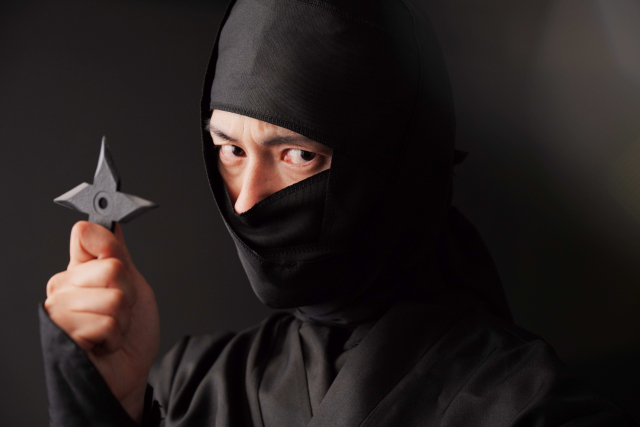
Mike: “Do ninjas show up too?”
John: “There are definitely series featuring ninjas. But… I think we need Nobu to give us the expert breakdown from here.”
Nobu: “Hello, everyone!”
John: “Perfect timing, Nobu! Could you tell us a bit more about Japanese Jidaigeki?”
Nobu: “I’d love to! But before we dive in, there’s one huge misconception I want to clear up: Japanese cinema is not just about Akira Kurosawa. While masterpieces like Seven Samurai are world-famous, Japan has produced countless brilliant TV period dramas that are just as entertaining.”
John: “Oh, really? TV dramas that can rival Kurosawa? Now I’m intrigued.”
Nobu: “Absolutely. Let me introduce you to this amazing world!”
The Core Appeal of Jidaigeki
Point:
The main charms of Jidaigeki are its straightforward, easy-to-understand storylines and
how it naturally teaches you about historical Japan.
Nobu: “Before looking at specific shows, let’s talk about why people love them so much.”
Mike: “Awesome! I only really know about anime, so I’d love to see what these dramas are like.”
Straightforward, Easy-to-Understand Storylines
Nobu: “First of all, the plots are very straightforward. A classic, beloved trope is ‘a noble or high-ranking figure disguises themselves as a commoner to punish corrupt villains.'”
“In historical Japan, society was strictly stratified. Even among the samurai, there was a hierarchy: the Shogun at the top, followed by the Daimyo (lords), Daikan (magistrates), and then the townspeople and peasants. Often, a mid-ranking magistrate turns out to be the bad guy abusing the local peasants. That’s when our disguised, high-ranking hero steps in to crush the corruption and save the day.”
Mike: “That sounds like something even I could easily follow!”
Nobu: “Exactly! It’s a formula that anyone from kids to grandparents can enjoy.”
A Window into Old Japan
Nobu: “Another great thing is how much you can learn about historical Japanese culture.”
John: “Ah, getting a taste of old Japan through entertainment.”
Nobu: “Yes. As I mentioned, the social structure was entirely different. Samurai carried swords, the currency wasn’t the Yen, and even education was completely different since modern schools didn’t exist yet.”
Mike: “Wow, it sounds like a completely different world.”
Nobu: “It really was. And Jidaigeki brings that world to life visually right in front of your eyes.”
Essential Cultural Context to Enjoy Jidaigeki
Point:
To fully enjoy period dramas, it helps to know a little bit about the historical caste
system, currency, hairstyles, and clothing.
Nobu: “Honestly, almost everything about historical Japan was different from today. If you try to watch Jidaigeki with modern common sense, you might get a bit confused.”
John: “That makes sense. To enjoy old stories, you need to understand the ‘common sense’ of that era.”
Nobu: “Exactly. So, here are a few historical facts that will make your viewing experience much richer:”
The Feudal Caste System (Shi-No-Ko-Sho)
Nobu: “During the Edo period, society was divided into four main tiers known as Shi-No-Ko-Sho. The hierarchy ranked people from Samurai (Shi) at the top, followed by Farmers/Peasants (No), Artisans/Craftsmen (Ko), and Merchants (Sho) at the bottom.”
John: “I see. So your social status dictated how much power you had.”
Nobu: “Precisely. Remember the trope where a high-ranking person saves the weak? If you don’t understand the ranking system within the samurai class itself, you’ll find yourself wondering, ‘Wait, they are both samurai, so why is that one bowing so low to the other?’ Knowing the hierarchy unlocks the whole plot.”
John: “Got it. That makes perfect sense.”
The Currency System
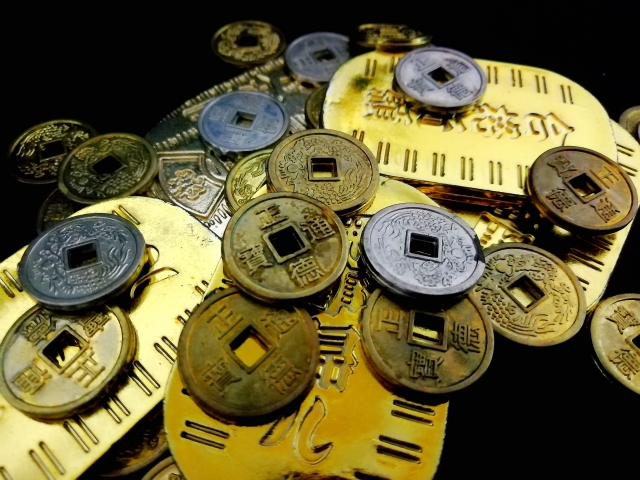
Nobu: “The money system was also completely different. Japan uses the Yen now, but back then, the main unit was the Ryo. There were no paper bills—only coins. A single Ryo was broken down into smaller units called Bu and Shu.”
John: “Ah, understanding the money must make the stakes clearer.”
Nobu: “Definitely! Bribery and corruption are very common plot points in Jidaigeki. Knowing the concept of Ryo helps you visualize exactly how massive (or petty) those bribes actually are.”
Hairstyles and Clothing
Nobu: “As you might know, people looked very different back then. Men wore their hair in a topknot called a Chonmage, and everyone wore Kimono.”
John: “The visual style alone is fascinating.”
Nobu: “And if you look closer, it gets even better! For instance, a woman’s kimono could tell you her marital status based on the sleeve length. Unmarried women typically wore a Furisode, which has incredibly long, flowing sleeves. Spotting these details tells you a lot about the characters instantly.”
Kelly: “Wow, being able to read a character’s background just by the length of their sleeves is wonderful!”
Exploring Jidaigeki Categories
Point:
Jidaigeki can be categorized into Classic Good vs. Evil, Historical Epics, and even
Sci-Fi/Special Effects (Tokusatsu) shows.
John: “So, Nobu, do you have any specific recommendations for us?”
Nobu: “I do! This is based on my personal favorites, but let me introduce a few standout categories and titles.”
Category 1: Classic “Good vs. Evil” (Kanzan-Choku)
These are shows where a noble hero steps in to save vulnerable citizens from corrupt villains. The plots are clear, satisfying, and easy to watch.
Recommended Show 1: Mito Komon (水戸黄門)
Nobu: “First up is Mito Komon. The main character is the retired Vice-Shogun, who travels across Japan incognito. In almost every episode, a corrupt local magistrate and a greedy merchant team up to exploit the poor townspeople. Mito Komon steps in to stop them. At the climax of the fight, his bodyguards flash a crest showing his true identity, and the villains instantly bow their heads in terror.”
Mike: “Sounds like a classic, satisfying formula!”
Nobu: “It is! But as we discussed, you appreciate it much more when you understand the weight of that samurai hierarchy.”
Recommended Show 2: Abarenbo Shogun (暴れん坊将軍)
Nobu: “This one translates to ‘The Roughneck Shogun.’ It’s similar to Mito Komon, but the protagonist is Tokugawa Yoshimune, a real-life historical Shogun. He wanders the streets of Edo disguised as a poor, masterless samurai to mingle with commoners. When he discovers corruption, he fights off dozens of bad guys in an epic sword battle before revealing his ultimate authority.”
Recommended Show 3: Hissatsu Shigotonin (必殺仕事人)
Nobu: “Now, this one breaks the mold. It’s translated as ‘The Eliminators’ or ‘Professional Killers.’ It’s not about high-ranking heroes. Instead, lower-class samurai and ordinary townspeople secretly act as vigilantes for hire. By day, the main character is a seemingly useless, low-level bureaucrat, but by night, he becomes a deadly assassin punishing villains who are above the law. Unlike other shows, there are no massive, flashy sword brawls, but the stealthy execution scenes are incredibly artistic and tense.”
John: “So the heroes aren’t always noble lords?”
Nobu: “Not at all. In fact, if a high-ranking official shows up in this series, they are almost always the villain getting assassinated.”
John: “Interesting. It sounds like a gritty twist on the genre. I’m curious!”
Recommended Show 4: Kage no Gundan (影の軍団 – Shadow Warriors)
Nobu: “If you love ninjas, this is the one. It translates to ‘Shadow Warriors’ and stars a group of ninjas led by the legendary Hattori Hanzo. Instead of standard samurai sword fights, you get to see unique, acrobatic ninja battles and stealth gadgets.”
Mike: “Ninjas! That’s exactly what I wanted to see!”
Nobu: “Just remember, Mike—Jidaigeki is historical fiction, not a literal documentary. Keep an eye out for the creative liberties!”
Category 2: Grand Historical Epics (Taiga Dramas)
Nobu: “If you want something deeper, I highly recommend NHK’s Taiga Drama series. These are year-long, big-budget biographical epics. They cover various eras, including the bloody Sengoku (Warring States) period. It’s a fantastic way to see a more realistic, grand-scale version of Japanese history.”
John: “The Warring States period? That sounds like it would make for some incredible, sweeping political drama.”
Nobu: “It really does. However, the barrier to entry is a bit higher. You’ll enjoy it much more if you know a little bit about real historical figures—who is fighting whom, and what territories or alliances are at stake.”
Mike: “Ah, sounds like I need to do some homework for that one.”
Category 3: Special Effects Jidaigeki (Tokusatsu Jidaigeki)
Nobu: “This is a bit of a retro genre now, but back in the day, we had ‘Tokusatsu Jidaigeki’—period dramas made specifically for kids using special effects.”
Mike: “Special effects in ancient Japan? How does that work?”
Nobu: “For example, the main character might be a ninja who transforms into a superhero to fight off bizarre monsters and evil mutants.”
Mike: “Whoa! What are some examples?”
Nobu: “Shows like Kaiketsu Lion-Maru (where the hero transforms into a lion-headed warrior) or Majin Hunter Mitsurugi. They are pretty old now, so honestly, even many modern Japanese people have forgotten about them!”
Where Can You Watch Jidaigeki Today?
Kelly: “These all sound fascinating, Nobu. Where can someone actually watch these older shows?”
Nobu: “You won’t find them on regular broadcast TV very often these days. However, many classic episodes are available on major streaming platforms and video-on-demand services.”
Kelly: “So we might have to subscribe or pay to view them?”
Nobu: “Yes, but trust me—once you get hooked on the unique charm and rhythm of these stories, you’ll find it’s absolutely worth it!”
From my personal experience
There was a time in my life when I was completely obsessed with Jidaigeki. I used to watch shows produced around 40 years ago, and my absolute favorite was the Hissatsu Shigotonin (The Eliminators) series.
What drew me to it was how starkly it contrasted with traditional period dramas. Instead of a righteous lord saving the day, it featured down-on-their-luck, low-tier samurai and working-class citizens taking matters into their own hands. Furthermore, the assassination methods were brilliantly unconventional. Aside from standard swordsmen, the crew included a character who used lethal sharpened guitar (shamisen) strings, and another who used deadly hairpins.
The visual direction was incredibly stylized for its time—even featuring stylized “X-ray” shots of the villains’ bones breaking during the strikes. It possessed a gritty, hard-boiled coolness that set it entirely apart from anything else on television.
I know at this point you might be thinking, “Tell me more about the specific episodes!”—but I think I will stop here. I want to leave the best parts for you to discover and enjoy with your own eyes!
Conclusion
Jidaigeki is a spectacular, deeply ingrained pillar of Japanese entertainment. Whether you are looking to expand your horizons beyond anime or want to immerse yourself in the rich, vibrant aesthetics of historical Japan, this genre has something incredible to offer.
If this peek into the world of samurai, ninjas, and secret vigilantes caught your interest, definitely add a classic Jidaigeki to your watchlist!