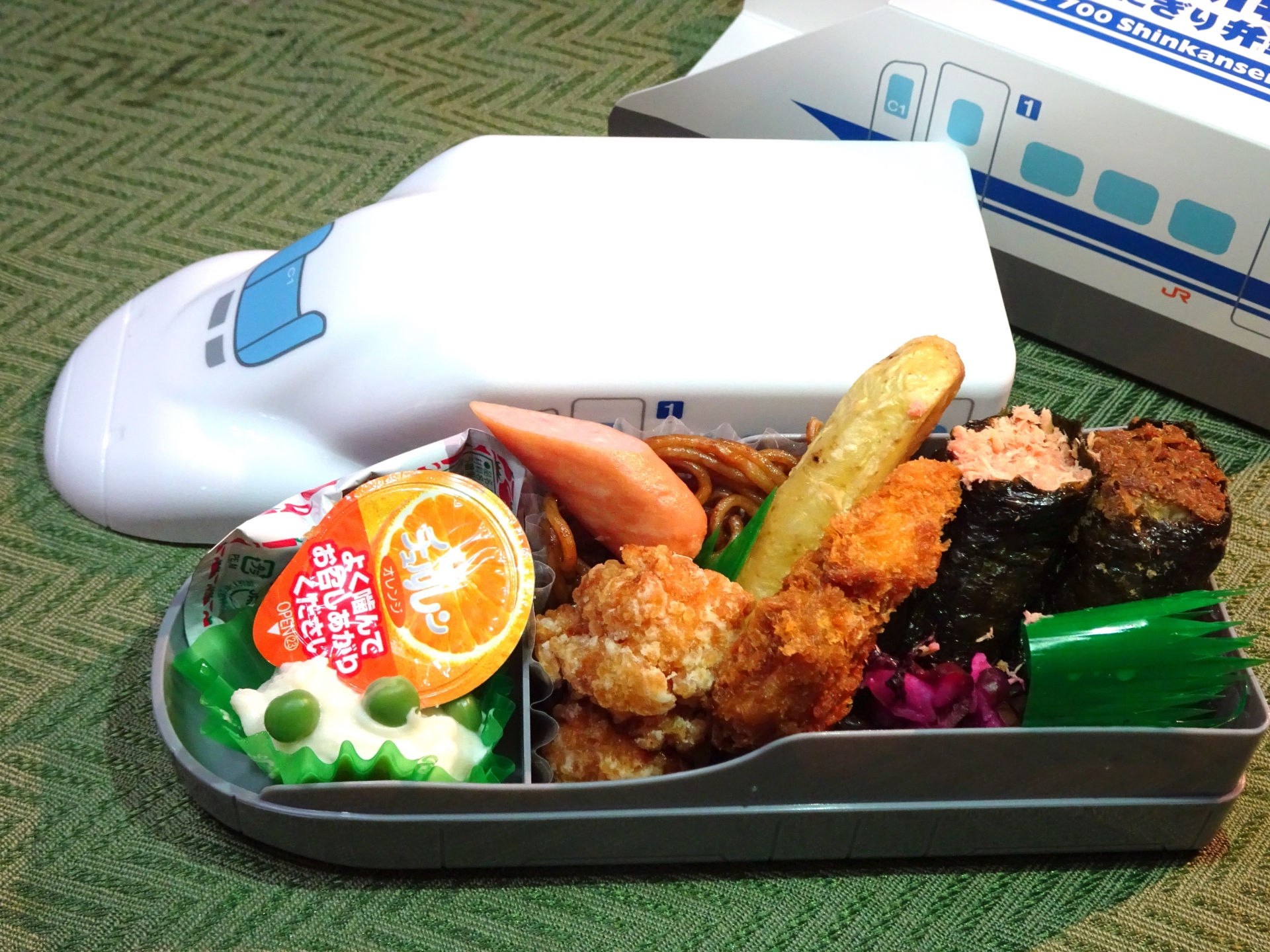
Japanese Ekiben — Japan’s iconic train station bento — offer a delicious way to explore regional flavors while traveling.
They are a unique cultural experience that reflects local flavors, travel traditions, and the charm of Japan’s railways.
In this article, you’ll learn what ekiben are, why they are beloved by travelers, and how they offer a delicious way to explore Japan’s regions.
Summary
- The Meaning of Ekiben: It is called “ekiben” because it’s a bento (boxed lunch) you buy at a station (“station” is pronounced eki in Japanese).
- Types of Ekiben: Local specialties, designs inspired by climate and nature, and those related to history.
- Where to Buy Outside of Stations: You can get them at specialized shops like “Ekiben-ya Matsuri” or at department store ekiben fairs.
- Prices of Ekiben: Generally around 1,000 to 1,500 yen, though some can cost up to 2,000 yen.
Characters
Mike: A 12-year-old American boy interested in Japanese culture.
John: Mike’s father, who frequently visits Japan for work.
Kelly: Mike’s mother, who is a skilled cook.
Nobu: A Japanese international student.
Prologue
It can be said that Japan is a country where railways are extremely well-developed. Since more than 100 years have passed from the steam locomotives that began in the Meiji era to the current Shinkansen, the level of maturity is likely high.
By the way, regarding such railways, couldn’t it be said that they created another major culture?
That is “traveling by train.” Although Japan’s land area is by no means large, one can still enjoy traveling.
And what must not be forgotten there is the “Ekiben (station bento) culture.” This is because Ekiben are not merely lunch boxes. Surprisingly, there are cases where various episodes are hidden behind them.
Therefore, in this article, I would like to focus on the culture of Ekiben and introduce the culture behind them.
The meaning of “ekiben”
John: “The other day, when I went to Japan, I had to travel a long distance. That was tiring.”
Mike: “But it was a trip in Japan, right? Weren’t there many interesting things?”
John: “Of course it was interesting. First, the Shinkansen was amazing. It’s fast, yet quiet inside. Moreover, even if you put a cup on the tray table and pour a drink, it doesn’t spill from the vibration.”
Mike: “That’s like an airplane.”
John: “That’s right. A comparison with an airplane might be good. …But, there was one more interesting thing.”
Mike: “What? What is it?”
John: “Ekiben.”
Mike: “Ekiben… you mean the bento boxes you buy at the station?”
John: “They aren’t just ordinary bento. The image is that they change at every station you stop at. For example, last time I went from Tokyo to Osaka, the Ekiben in Tokyo and the Ekiben in Osaka were different. …Though, there are shops that collect Ekiben from all over the country.”
Mike: “By the way, how many types of Ekiben are there? Even if you say nationwide, are there maybe about 10 types across the country?”
John: “No, since the contents differ by region, aren’t there more than 100 types?”
Mike: “That’s surprising. I can see why it’s interesting. But I wonder why it’s called ‘ekiben.'”
John: “That’s because it’s a bento you buy at a station. ‘Station’ is pronounced ‘eki’ in Japanese. So, since it’s a bento you buy at the eki, they call it ‘ekiben.'”
Mike: “Ah, makes sense.”
The Quality of Ekiben
Kelly: “But even if you say Ekiben, aren’t they just normal bento? Even if the variations are different, aren’t they made with ordinary ingredients? Are they made with safe materials like meats and cooked vegetables?”
John: “No, in many cases, they use special ingredients. For example, whereas convenience store bento focus on things like fried foods, Ekiben use seafood or meat—anyway, the variation is incredible.”
Kelly: “Then, is sashimi included? I know Japan has a culture of eating fish, but isn’t it too dangerous to carry sashimi in a bento?”
John: “Well, certainly. But in the case of fish, I think many are processed with vinegar. This is to ensure safety.”
Kelly: “That makes sense. They really are high quality and safe.”
How to Enjoy Ekiben and Types of Ekiben
Nobu: “Hello.”
Mike: “Ah, hello. We were just talking about Ekiben. Nobu, do you like Ekiben?”
Nobu: “Yes, I love them. Above all, they contain local specialties and are delicious, and you can also taste the local conditions and the interest of history.”
John: “Wait a minute. Is it not just that Ekiben have many different variations?”
Nobu: “Yes. Certainly there are many variations, but it is not just a difference in variety. There are those that appeal to the excellence of the local area using regional specialties, those with motifs based on the local climate and conditions, and those that let you feel the history of that land.”
John: “Feeling history through an Ekiben… this is a surprise.”
Nobu: “Well then, shall I introduce them?”
Ekiben made with local specialties
Nobu: “First are Ekiben made from the products of that land. Japan’s land area is not that large, but the things people eat differ considerably depending on the area. There are regions where fish is delicious, and regions where meat is delicious.”
John: “I see. Food differs depending on the production area; that’s understandable.”
Nobu: “For example, there are regions famous for seafood, especially shellfish. There are regions where oysters are famous, and those regions have Ekiben that use oysters.”
John: “I see. Oysters. They are certainly from the sea.”
Nobu: “On the other hand, there are also regions where Wagyu beef is a specialty. In such places, there are Ekiben packed with beef dishes.”
Mike: “Wagyu beef? Isn’t that expensive?”
Nobu: “That’s true. But they actually exist.”
Ekiben with climate and nature motifs
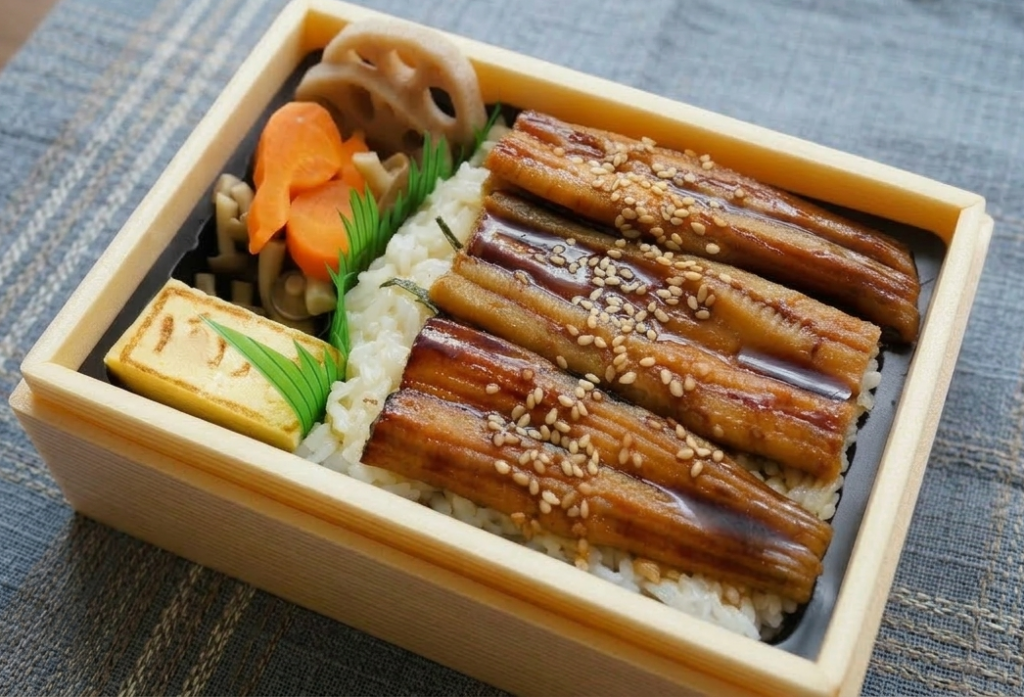
Nobu: “Next are Ekiben with motifs based on the climate. A good example is one in a cold region that incorporated a snowman into the bento design.”
Mike: “Heh, so when you eat it, you feel like you understand the climate of that region?”
Nobu: “The Sea of Japan side of Japan’s land becomes a heavy snowfall zone in winter. In some cases, it snows to a level where houses are buried. I suppose snowmen are linked to regional identity.”
John: “I see. Expressing the heavy snow of that land with a snowman. That’s also an interesting story.”
Ekiben related to history
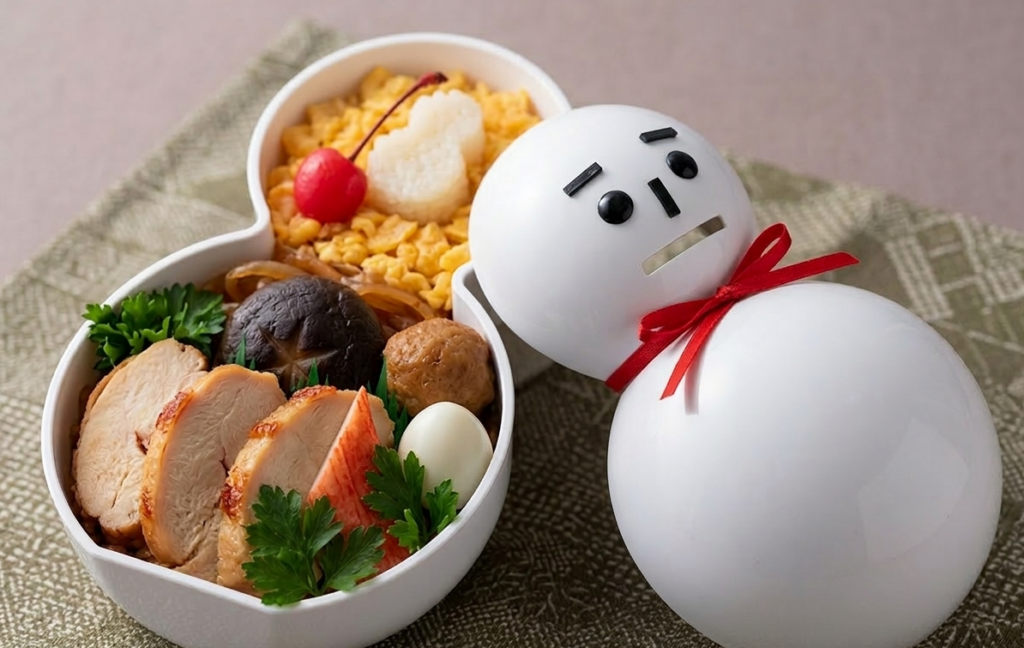
Nobu: “Next are bento that let you feel history. Japan’s history is very long, and depending on the era, many incidents occurred or great people appeared.”
John: “That’s right. Looking back, Japan had the Meiji era, the Edo era, and also the Sengoku (Warring States) period.”
Nobu: “That’s exactly right. There are Ekiben that promote the Sengoku period.”
John: “What do you mean?”
Nobu: “In the Sengoku period, there was a military commander named Takeda Shingen. He was an extremely strong commander and a famous figure who fought against other Sengoku daimyo with Japan at stake.”
John: “I’ve heard a little about that. That’s the era when people like Oda Nobunaga and Toyotomi Hideyoshi were active, right?”
Nobu: “Exactly. And each commander had a family crest. By the way, Takeda Shingen’s family crest is called ‘Takeda-bishi.’ It is a crest in the shape of a horizontal diamond.”
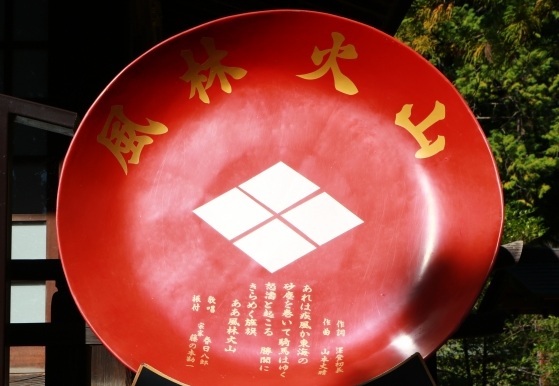
John: “A family crest. It seems Japanese people valued them.”
Nobu: “And there is an Ekiben that uses that ‘Takeda-bishi’ for the bento box design in a place associated with Takeda Shingen.”
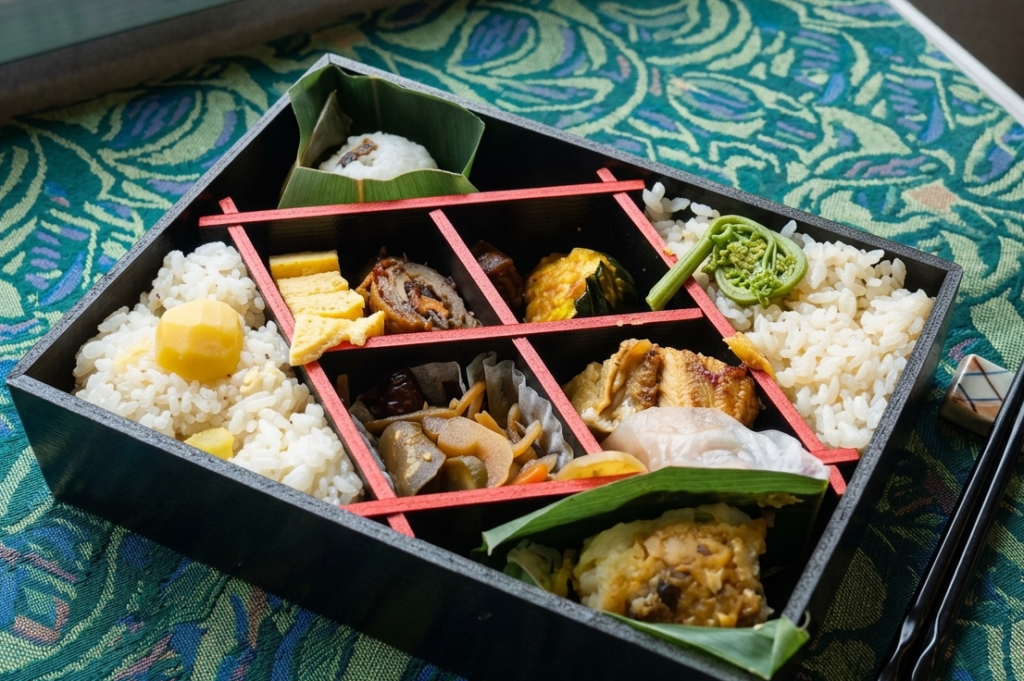
John: “I see. If you eat that, it seems it would lead to learning about Takeda Shingen. For history fans, wouldn’t it be exciting?”
Nobu: “Exactly. It’s a recommended Ekiben for history fans.”
Trip on Local Trains
Nobu: “By the way, you can’t necessarily eat these Ekiben on a Shinkansen trip. Since Shinkansen stations are inevitably major stations, you often cannot eat local Ekiben.”
Mike: “Then, how do you eat them?”
Nobu: “I hear there are shops in places like Tokyo that collect Ekiben from all over the country, but I think that lacks flavor (atmosphere). After all, isn’t going to the actual site and eating them the best?”
Mike: “I see.”
Nobu: “Because, for the Takeda Shingen bento, don’t you think you can feel the history more if you go to the land associated with Takeda Shingen? It’s not just about enjoying the Ekiben, it’s also about enjoying the history.”
Mike: “In that case, how do you get there?”
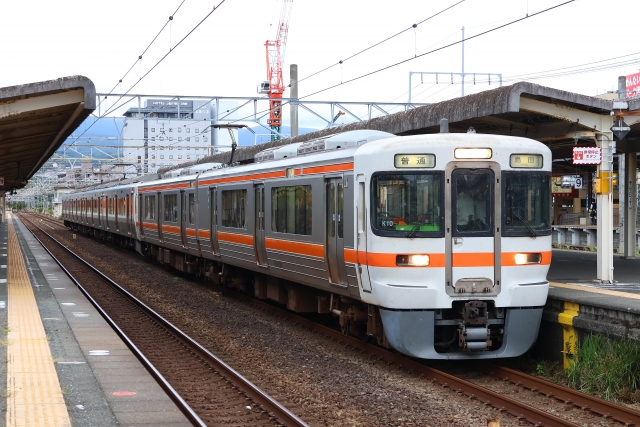
Nobu: “I think moving between places on local lines is the best way, after all.”
John: “Wait a minute. I can’t take that much time off work.”
Mike: “It’s okay. I’ll send you photos, so you can feel like you’ve eaten it.”
John: “Don’t tease me. It makes me sad.”
Traveling with a Map is Fun, Too
John: “By the way, you mentioned that ekiben is all about local specialties. Does that mean having some background knowledge about the region makes it even more enjoyable?”
Nobu: “Definitely. Knowing a bit of geography adds to the fun. For example, an ekiben with seafood naturally comes from a coastal town. Or, if an ekiben is themed around a harsh climate, having that geographical context makes you appreciate it much more.”
John: “In that case, it might be fun to look at a map of Japan while eating.”
Nobu: “I think so too! If you have a train route map, you can see exactly where you are and get an idea of what the local specialties might be. Plus, if you look up the area, you might even be able to check out what ekiben is waiting for you at the next station.”
Where do you buy ekiben?
John: “By the way, where can I get these ekiben? I’d like to know where to buy them other than at stations.”
Nobu: “Let’s see… somewhere other than stations…”
Are there any restaurants that serve ekiben ?
Mike: “If these Bento boxes are so interesting, it would be great if we could enjoy them all in one place. Is there such a thing as an ‘Ekiben restaurant’?”
Nobu: “An Ekiben restaurant? So, you’re asking where the best place to eat them is, right?”
Mike: “Exactly. I mean, traveling to every single station across Japan just to try them would be a huge task!”
Nobu: “Unfortunately, there are no ekiben restaurants. I mean, bento isn’t really something you eat at a restaurant anyway. Sure, people sometimes eat their bento in convenience store seating areas, but I think that’s rare. Basically, you don’t eat a bento where you buy it.”
Mike: “So that’s why people eat them on trains and things like that. Makes sense.”
Where to Buy Ekiben
Nobu: “But there is a famous shop that gathers Ekiben from all over Japan.”
John: “Where is that? I’d definitely love to visit when I go to Japan.”
Nobu: “It’s in Tokyo Station. The shop is called ‘Ekiben-ya Matsuri’.”
John: “That sounds exciting! I really want to check it out.”
Nobu: “It’s a bit of a journey from Narita Airport, so you’ll need to take the JR line. If you get on the ‘Yamanote Line’—which is the loop line that circles central Tokyo—you should be able to find your way.”
John: “Is there any information we can refer to?”
Nobu: “The official website is your best bet. While many Japanese bloggers write about it, their information might be outdated or the links might be broken. The official site is the most reliable. Here is the link:”


Nobu: “Also, some department stores hold special events that sell ekiben. But it depends on the store, and the timing is on a case-by-case basis. You might not know until closer to the date.”
End
Prices of Ekiben
Typically, ekiben are priced between 1,000 and 1,500 yen. However, you can find premium versions that cost around 2,000 yen. These high-end lunch boxes usually feature special ingredients or unique characteristics not found in standard ones.
If you want to check the price of an ekiben today, you can easily do so with your smartphone. Just search for “ekiben” along with the name of the city you’re visiting. Once you find some general information, you can look up the specific price for each one.
Keep in mind that popular ekiben often sell out. It’s a good idea to have a few options in mind before you go to the station.
From My Experience
Back in my student days, I enjoyed traveling all the way from Kyushu to Tohoku using only local train lines. While the Shinkansen allows for much faster travel, local lines give you the chance to visit small, rural towns.
One of the best parts was getting off at a station to buy an ekiben (railway lunch box). Enjoying those meals on the train while gazing at the local scenery through the window was an incredible experience.
Since there was no internet back then, information about ekiben was limited. However, train timetables sometimes included details about local lunch boxes, and I used that information to decide which stations to stop at.
Traveling between major cities in different prefectures often took about two to three hours on local lines. By the time I arrived, I was usually just hungry enough that I almost never had trouble finishing my meal.
Of course, that’s a story from my youth. For many people, eating a full ekiben every two or three hours might be a bit of a challenge!
Conclusion
We have covered Ekiben. I believe you have understood that Japanese Ekiben are not simply “bento boxes rich in variety.” Isn’t it a wonderful thing to be able to taste the products of the land, the climate, and even the history?
That being the case, what is recommended after all is “going to the actual site to eat.” Wouldn’t it be interesting to eat a bento with Lord Shingen’s family crest in the land associated with Takeda Shingen and imagine the old days?
Recommended Article
While this article focused on the joys of ekiben travel, my next post covers the best spots for enjoying local Japanese seafood. Combining an ekiben adventure with a “seafood tour” makes for a truly fantastic trip. Please go check it out!
Why Not Take a Journey to Devour All the Seafood in Japan?