Japan has a surprisingly large number of people who enjoy fishing as a hobby, and I believe it’s something visitors from overseas can enjoy as well. But what kind of preparation do you actually need to have a good fishing experience in Japan?
In this article, I’ll explain how fishing fits into Japanese culture, introduce the types of fishing that are especially suitable for international visitors, and recommend the best kinds of accommodations—such as traditional inns and hot spring resorts—for a comfortable fishing trip.
Summary
- Fishing is extremely popular in Japan, to the point that it often appears in manga.
- Recommended fishing levels:
- Beginner — Fishing ponds
- Intermediate — Rivers and coastal fishing
- Advanced — Boat fishing
- There is even ice fishing, where you drill a hole in the frozen surface.
- Traditional inns and hot spring resorts are also great places to stay while enjoying fishing.
Characters
- Mike: A 12-year-old American boy interested in Japan.
- John: Mike’s father. He frequently visits Japan for business.
- Kelly: Mike’s mother. She is good at cooking.
- Nobu: A Japanese international student.(This character represents and speaks for the author’s personal experiences and opinions)
Seeing Japan’s Fishing Culture Through Manga
John: “Hmm, Japanese sushi is incredible, but when you think about it, Japan is a country completely surrounded by the sea. It makes perfect sense that a deep-rooted culture of eating fish developed there. They even venture into the distant deep sea for tuna. It must be a massive industry.”
Kelly: “I agree. Perhaps that’s why their culinary standards reached such a high level.”
John: “Oh, are you interested in Japanese fish dishes too, Kelly? “
Kelly: “Absolutely. They pursue flavor by changing the way they slice sashimi, using charcoal fires for grilling, or simmering fish in rich, clinging sauces. It’s a very profound world.”
John: “I see. Even for a cooking enthusiast like you, it’s a deep culture.”
Mike: “You know, I’d really like to try fishing in Japan myself.”
John: “Oh? Do you know anything about Japanese fishing, Mike? “
Mike: “Yeah, I read about it in a manga called Tsurikichi Sanpei (Fisherman Sanpei). It was even made into an anime. It’s about a boy who is a fishing genius and catches all sorts of fish. It starts with mountain stream fishing in Japan and eventually moves to the ocean and even foreign countries.”
John: “When was this manga written? “
Mike: “I was surprised to find out it’s over 40 years old. Back then, Japanese creators were making manga about everything—sports like baseball and soccer, but also genius doctors, police officers, and even beautiful thieves.”
John: “That’s impressive. I’d like to read that fishing manga myself; it sounds fascinating.”
The Reality of Fishing in Japan
Nobu: “Hello everyone! “
John & Mike: “Hi, Nobu! “
Mike: “Nobu, could you tell us more about fishing in Japan? In the manga Tsurikichi Sanpei, I saw that people fish in rivers, not just the sea. Is that true? “
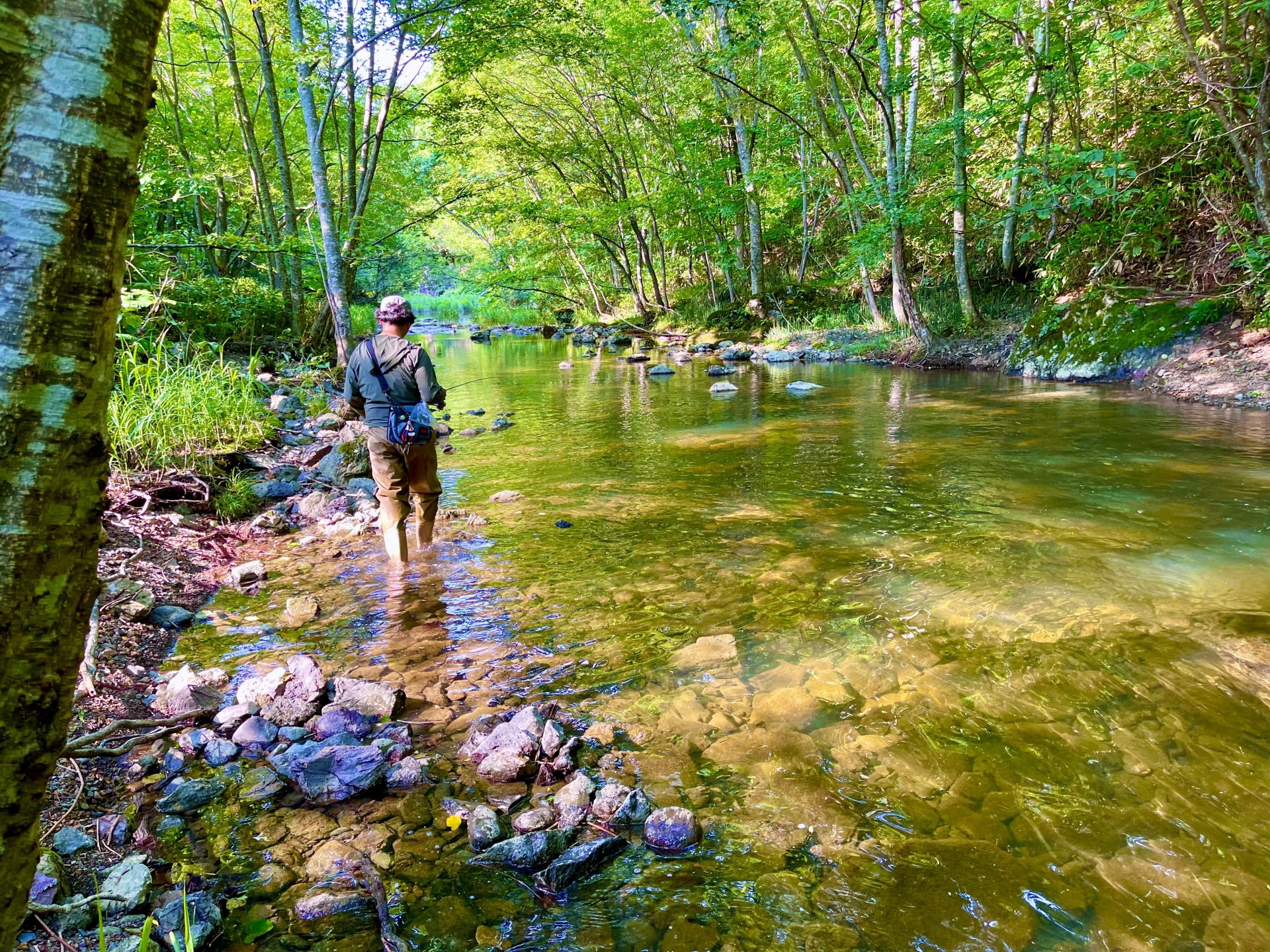
Nobu: “Yes, exactly. While some spots might be fewer now, you can still fish in rivers, lakes, and even high up in the mountains. Just like in that old manga, fishing for Iwana (char) in mountain streams is quite famous.”
Mike: “I read about that! The thrill of whether you’ll catch something or not is so exciting.”
Nobu: “Japan offers fishing in so many locations. In the past, even children would go fishing frequently.”
Mike: “Do they still do that? “
Nobu: “Not as much as they used to. Some people say it’s too dangerous for kids near rivers or the sea, and many children prefer video games nowadays.”
John: “But it’s still great for adults, right? What kind of fishing is available for them? “
Nobu: “This might take a while to explain! “
John: “It sounds interesting, so please, tell us everything.”
A Guide for Every Level
Nobu: “There are so many types of fishing in Japan, but let me focus on what international visitors might enjoy, starting with beginners.”
1. For Beginners: Tsuribori (Fishing Ponds)
“I recommend Tsuribori. These are facilities where fish are released into large ponds for people to catch. They use easy-to-handle bait, and most importantly, they are very safe. Some places even use sections of mountain streams as fishing ponds. Being surrounded by nature is great for mental health and stress relief.”
2. Intermediate: Rivers and Shorelines
“Intermediate anglers might enjoy river fishing with bait or lures. For the ocean, there is ‘surf fishing’ (casting from sandy beaches) or fishing from piers. Casting into the waves from a beach is truly exhilarating.”
3. Advanced: Funazuri (Boat Fishing)
“For the more experienced, boat fishing is the way to go. Heading out into the open sea is a fantastic feeling, and you can catch much larger, different types of fish. There are even boat fishing tours near Tokyo that cater to international tourists.”
4. For the Enthusiasts: Ice Fishing
“There is even a ‘Maniac’ level. In the harsh winters, some lakes freeze over completely. People drill holes in the ice to catch Wakasagi (smelt). It’s a very specialized and unique style.”
Kelly: “But what about women or small children who might not want to fish seriously? “
Nobu: “I recommend exploring the rocky tide pools (Iso). You can find hermit crabs and sea anemones. It’s a lot of fun for kids. Also, visiting fish markets is a must. Some markets are open to the public, where you can hear the loud voices of wholesalers and see an incredible array of fresh seafood.”
The Technology Behind the Gear
Japanese fishing is not just about tradition; it is packed with technology.
- High-Tech Rods: The “flex point” of a rod is crucial for performance. Japanese manufacturers use high-tech materials to achieve the perfect balance of strength and flexibility.
- Precision Reels: Japanese reels are high-level mechanical products. The technology used to create these reels is so advanced that these manufacturers often contribute to other major industries.
- Traditional Craftsmanship: There are also traditional handmade rods that have been passed down for generations. Some are so beautiful they are considered works of art rather than tools for use.
Staying at a Traditional Inn (Ryokan)
Depending on the location, you can find Minshuku (guesthouses) or Ryokan (traditional inns) near fishing spots.
- Mountain Inns: Enjoy fresh river fish dishes.
- Seaside Inns: Savor seafood straight from the local market.
The Ultimate Combo: Fishing and Onsen
The Japanese Onsen (hot spring) culture is world-famous. Interestingly, there are places where you can enjoy both fishing and hot springs at the same time. You can find these by searching for “Japan fishing onsen ryokan” online.
A Note of Caution
Information can sometimes be outdated. For example, a river listed as a great fishing spot online might currently be a “no-fishing” zone. Always ask: “Is fishing currently allowed here?” before you start.
Preparing Your Gear
If you join a tour, the shop will usually provide the rod, tackle, and bait, so you can go empty-handed. However, if you go on your own, you will need to buy gear at a local shop. Keep in mind that staff might not speak English, so a smartphone translation app is highly recommended.
Essential Rules and Manners
To protect nature and ensure safety, you must follow the rules:
- Check the Season and Zone: Fishing is often restricted to specific times and areas. For instance, Ayu (sweetfish) fishing usually opens between April and June depending on the river. Fishing before the official opening is considered poaching and is a serious crime.
- Safety First: Especially for sea and boat fishing, take safety measures seriously.
- Respect Others: Be mindful of those around you. Some enjoy fishing for the quiet connection with nature; avoid being loud or disruptive.
- Take Your Trash Home: This is the most basic rule. Fishing lines and hooks are dangerous—wildlife might swallow hooks, or birds might get tangled in lines. Always carry your trash back with you to protect the environment.
From my personal experience
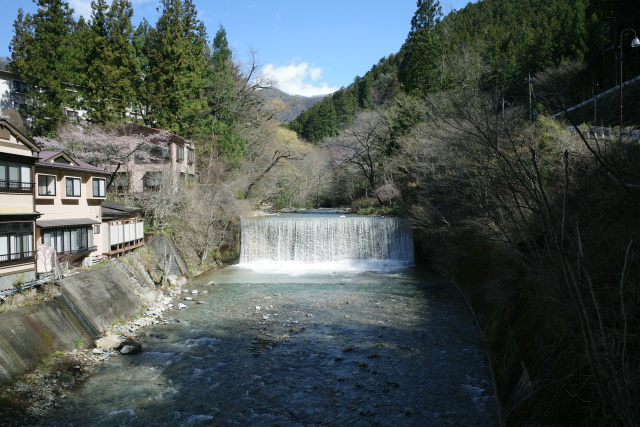
A long time ago, I spent an extended stay at a hot spring inn in Yamagata Prefecture, in the Tohoku region. One of the unique features of that area was the Mogami River flowing nearby. Because it was so far upstream, the water was shallow and calm, making it very safe to step into the river.
The inn I stayed at was the type where guests cooked for themselves, so we had to prepare our own meals. Naturally, we brought fishing gear with us, thinking we could catch fish from the river and cook them for dinner.
Surprisingly, we did quite well. Our dining table was often filled with the fish we caught. We even tried small tricks—like sinking fish bones into the river to attract more fish. Looking back, those little ideas probably helped us secure our meals each night.
However, during the latter half of our stay, I remember feeling increasingly frustrated. Our meals were always the same: fish we had caught ourselves. And since we kept catching the same species, we eventually grew tired of eating it. To make matters worse, the hot spring town was remote and quiet, so going out to buy other food was a challenge.
Conclusion
Japan’s fish-eating culture is built upon a foundation of fishing culture. Whether you are an experienced angler or a complete beginner, experiencing Japan through its waters offers a unique perspective on the country. Why not start your next Japanese adventure with a fishing rod in hand?