Have you ever wondered whether the items sold at Japan’s “100-yen shops” actually cost just 100 yen?
In this article, we’ll tell the story of how 100-yen stores price their products, why some items cross that 100-yen line, and how the entire system truly works.
Summary
- 100-yen shops sell everything for just 100 yen.
- However, consumption tax is charged separately.
- There are other stores that sell items even cheaper than 100-yen shops.
Characters
Mike: A 12-year-old American boy interested in Japan.
John: Mike’s father. He frequently visits Japan for business.
Kelly: Mike’s mother. She is good at cooking.
Nobu: A Japanese international student.
About 100-yen shops
The afternoon sun filtered into the living room as Mike sat glued to his laptop, scrolling through vibrant images of Japanese retail life.
Mike: “Dad, look at this! These are authentic Japanese anime character goods, and over here—look at this sleek stationery. If I had these at school, everyone would be so jealous. But I bet this stuff is incredibly expensive, right?”
John: “I’d imagine so, son. Japanese anime is a massive global export. When the whole world is competing for the same merchandise, the price usually skyrockets to reflect that demand”.
Mike: “I thought so too… but wait! I just found something unbelievable. It’s called a ‘100-Yen Shop’. The website says they sell everything—literally everything—for just 100 yen. That’s less than one U.S. dollar! Some of these stores are as big as the supermarkets we go to”.
John: “A dollar? You’ve got to be joking. That’s cheaper than the quick cup of coffee I grab at the drive-thru every morning. Are you sure it’s not a scam?”
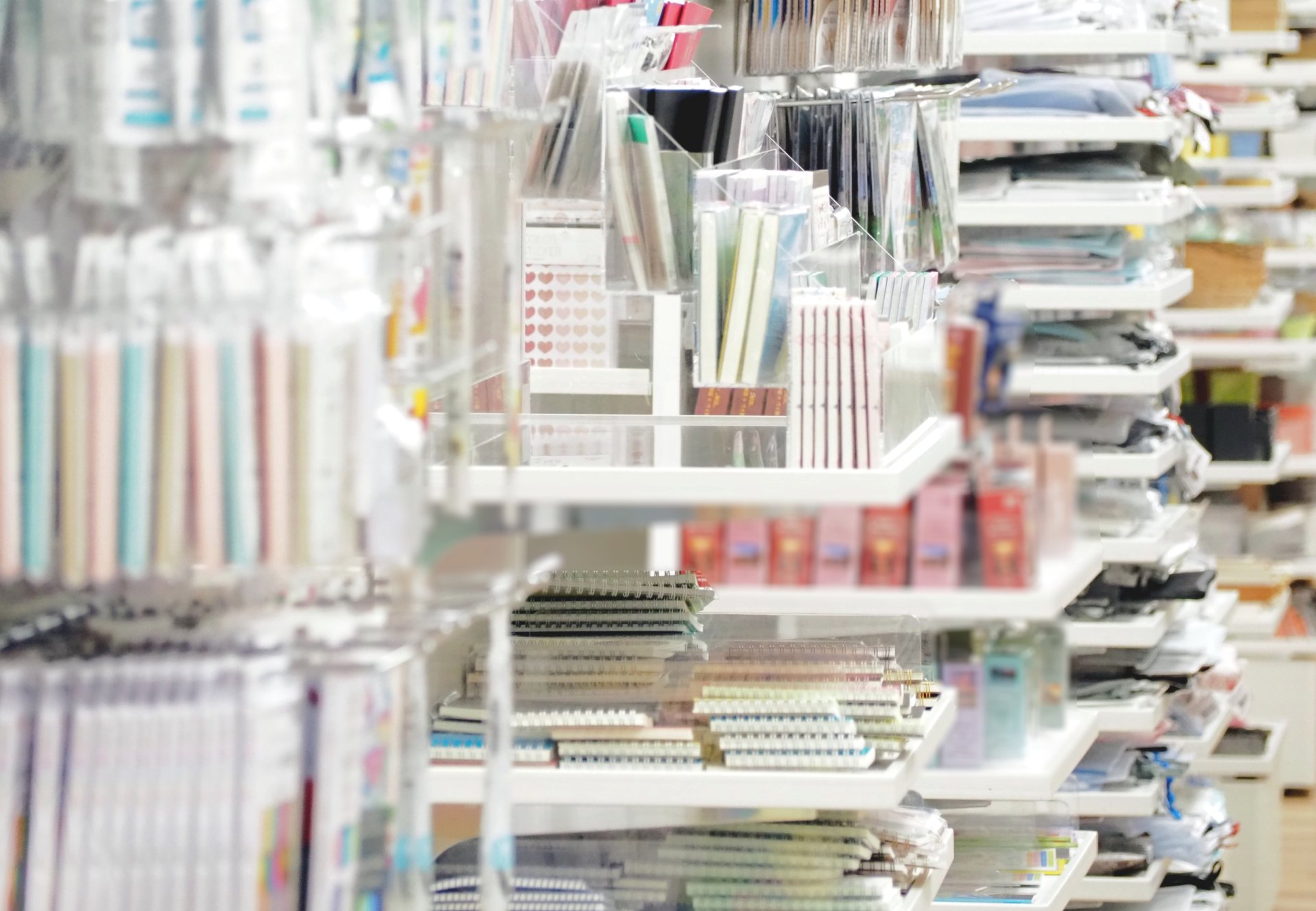
Mike: “I’m serious! Look at the categories: stationery, toiletries, dishes, kitchenware, tools, DIY supplies, and even cosmetics. It’s an endless list of things people actually use”.
John: “Everything for 100 yen? If that’s true, Japan’s economy is operating on a different level of reality”.
Everything is 100 yen
Eager to prove his discovery, John called his wife, Kelly, into the room.
John: “Kelly, come here! Mike found the ultimate shopping hack in Japan. It’s a supermarket where everything is 100 yen”.
Kelly: “Oh, John, stop it. Every time you tell me you found a ‘bargain,’ it turns out to be a waste of money or a total exaggeration. I don’t believe you for a second”.
John: “No, this is different! They have everything you use in the kitchen—utensils, storage containers—and even food! All for less than the price of a latte”.
Kelly: “Let me see that… Hmm, they actually have pasta and a huge selection of seasonings. It looks like they don’t carry fresh meat or vegetables, but honestly, you could probably cook a decent meal just with what’s in this store”.
John: “Exactly! If we bought the fresh produce at a regular market and everything else there, our grocery bill would practically disappear”.
Mike: “Dad, I’ve made up my mind. I don’t just want to visit Japan anymore. I want to go to university there. I want to study their culture and their economy to figure out how they do this!”
John: “If life is that affordable, I’d feel much better about sending you there. Go for it, son!”
The Bitter Reality of the “Hidden” Yen
Just then, their friend Nobu, an international student from Japan, dropped by the house.
John: “Nobu! Just the person we needed. We were just talking about 100-yen shops. Are they actually as common as Mike thinks?”
Nobu: “Oh, you mean ‘Hyakku-kin’? Yeah, they are everywhere. If you go to any decent-sized town in Japan, you’ll find them on almost every corner”.
John: “It’s incredible! Mike is so inspired by Japanese efficiency that he wants to study economics in Japan. He thinks he can live like a king on a budget”.
Nobu: “Well… I should probably mention one thing. It might be important for Mike’s economic studies”.
Mike: “What is it? Did you lose your scholarship? Or did your girlfriend break up with you?”
Nobu: “No, nothing like that—though a breakup would be painful! The truth is, you can’t actually buy anything for 100 yen at a 100-yen shop”.
John: “Wait, what? Are they raising prices on the fly?”
Nobu: “Most items actually cost 108 yen or 110 yen”.
John: “A 10% markup? Isn’t that a bit exploitative? Why the extra charge?”
Nobu: “It’s not the store’s profit. It’s the consumption tax”.
A heavy silence fell over the room as the realization set in. They all let out a long, synchronized sigh.
End
Deep Dive: Is the 100-Yen Shop Truly the “King of Value”?
The frustration Nobu mentioned is felt by everyone in Japan. While the name “100-yen shop” remains, the reality of the 108 or 110 yen price tag is a constant reminder of the tax burden. However, despite this “hidden” cost, these stores remain remarkably popular because of their sheer convenience and variety. From household essentials to toys that children can buy with their own pocket money, they provide a sense of financial freedom.
But is the 100-yen shop truly the “strongest” or most economical choice in Japan? Many savvy locals would say no.
- The Power of Drugstores:
In many cases, Japanese drugstores or large supermarkets sell snacks and beverages for less than 100 yen. Furthermore, these stores often have robust loyalty point systems. If you earn 1% back in points, spending 50,000 yen gives you 500 yen back—a significant advantage over time. - The Bulk-Buy Strategy:
With the rise of e-commerce, buying in bulk with friends can often drive the per-unit price well below 100 yen.
The Hidden Mechanics of Japanese Prices
For someone like Mike who wants to understand the economy, Japan offers a fascinating case study in how prices are determined. Why does the same carton of milk cost 200 yen at one supermarket and only 170 yen at another? It isn’t always about the quality of the food; often, it’s about the “hidden costs” of the location.
- The Rent Factor:
Many supermarkets lease their space. In popular, high-traffic neighborhoods, the rent is exorbitant. To cover this, the store must raise the prices of its products. In contrast, stores in less “trendy” areas can afford to keep prices low because their overhead is lower. - Labor Costs:
Higher-end supermarkets often employ more staff or pay higher wages to provide premium service. This human element is directly reflected in the price of your groceries.
Finding Safety in the “Unpopular” Areas
This leads to an interesting sociological question: Are these cheaper, “less popular” areas worse places to live?
Common logic might suggest that low-rent areas are dangerous or inconvenient, but in Japan, that is rarely the case. Even in neighborhoods where the land is cheap, life is surprisingly peaceful. Supermarkets stay open until 11:00 PM, and it is perfectly normal to see women shopping alone late at night without fear.
In fact, some argue that high-end residential areas are actually more stressful. There are often rumors that wealthy neighborhoods are primary targets for burglars looking for a big score. In that sense, a modest neighborhood with a “cheap” supermarket might actually offer a higher quality of life and greater peace of mind.
As Mike prepares for his journey to Japan, he will learn that the “strongest” way to live isn’t just about finding a 100-yen shop—it’s about understanding the complex balance of taxes, rent, points, and the true meaning of a “safe” neighborhood.
From Personal Experience
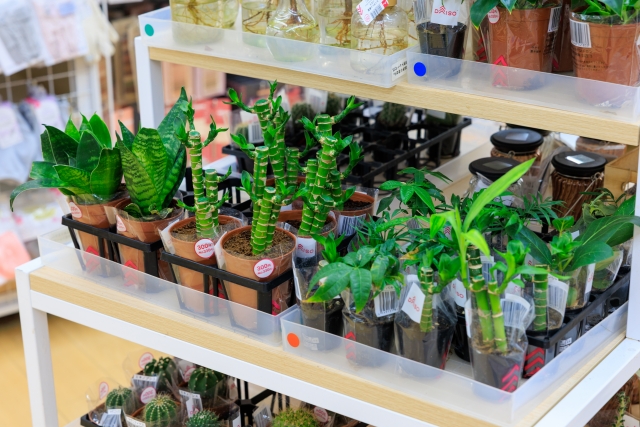
Today’s 100-yen shops offer an incredibly wide range of products. Personally, I buy everything from handkerchiefs to socks there. They are a lifesaver because you can get items for just 100 yen that would easily cost 300 to 500 yen at a regular supermarket.
My family feels the exact same way. Since 100-yen shops also carry things like laundry bleach, we can buy most of our daily essentials there.
Conclusion
In this article, we explored the world of 100-yen shops. I hope this gave you a clear picture of their incredible variety and affordability, and that it serves as a helpful guide for anyone planning to live in Japan.
At the same time, we also discovered that there are stores out there that are even cheaper than 100-yen shops.
Ultimately, it’s all about spending our money wisely. By making smart use of 100-yen shops, we can all enjoy more economical and budget-friendly shopping.
Recommended Article
While this article focused on 100-yen shops, having a good understanding of supermarkets is also essential when it comes to buying fresh foods. That is why our next article introduces everything you need to know about Japanese supermarkets. Please take a look!
What Is Sold in Japanese Supermarkets and Smart Shopping?