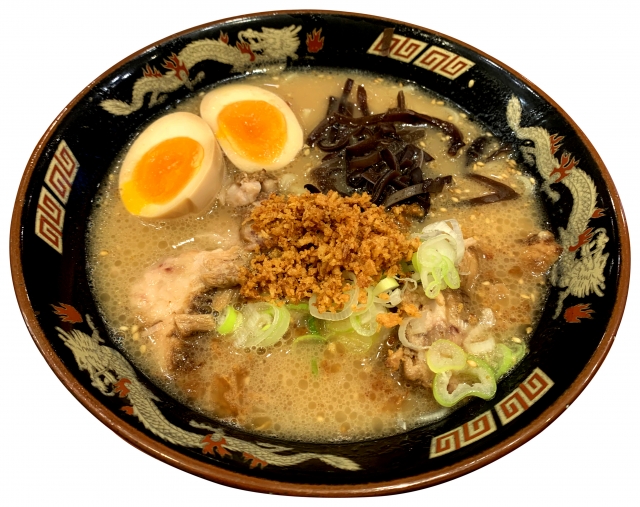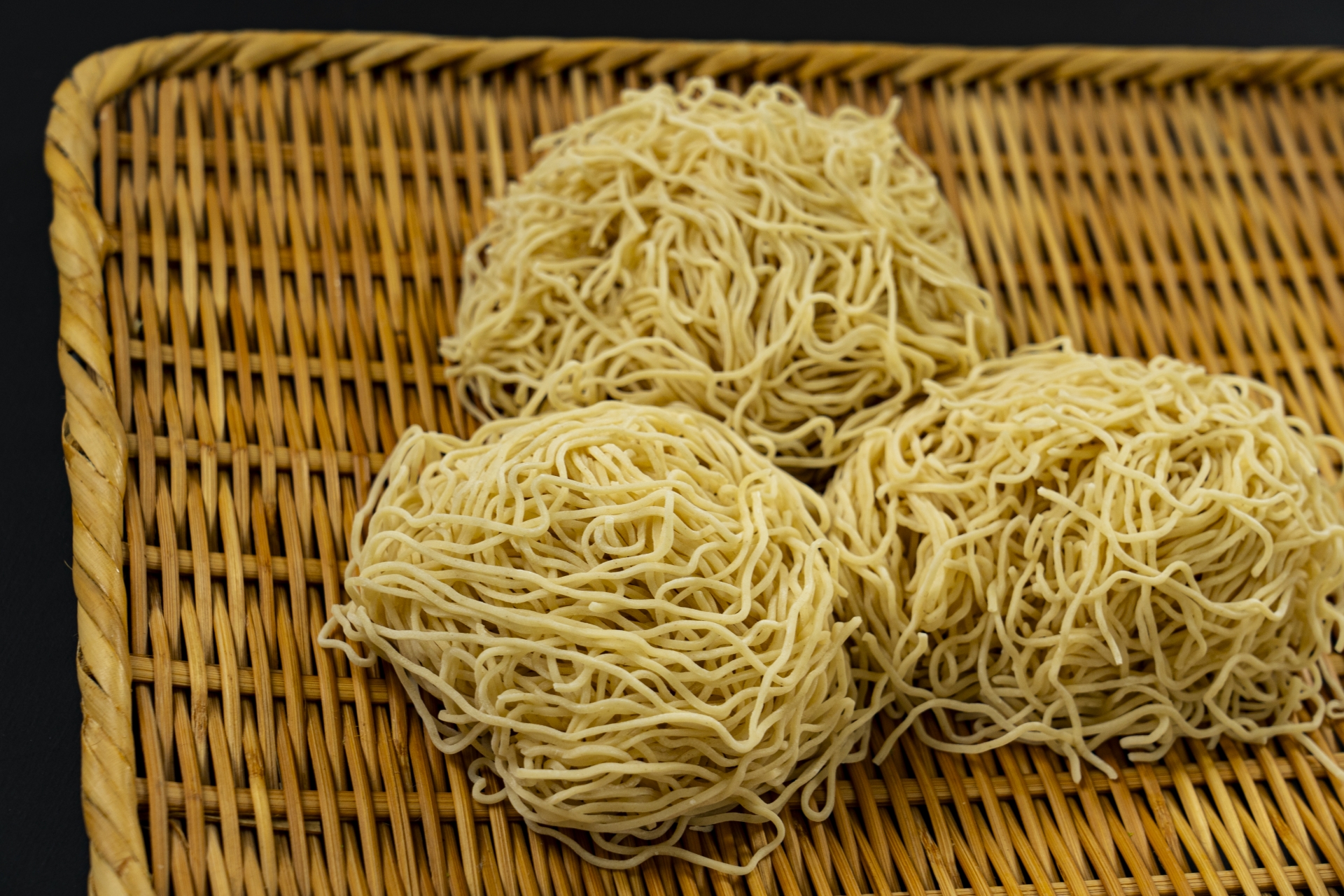
Ramen noodles are made from wheat flour, water, and kansui (alkaline water). But does the amount of water contained in the noodles really make a difference?
Summary
- The amount of water contained in ramen noodles affects both their texture and how they absorb the soup.
Generally, for foods made from wheat flour, water is added to the flour during preparation. However, the way the flour holds water changes the condition of the material. If there is less water, the elasticity becomes stronger; if there is more water, it can even become mushy.
Does this same principle apply to ramen noodles?
In this article, we will explore this topic through a story-style conversation.
Characters
- Mike: A 12-year-old American boy interested in Japan.
- John: Mike’s father. He frequently visits Japan for business.
- Kelly: Mike’s mother. She is good at cooking.
- Nobu: A Japanese international student.
Wheat and Water
Mike: “Many dishes made from wheat flour require mixing it with water and kneading it, but the resulting texture changes depending on the amount of water you use, doesn’t it?”
Kelly: “That’s right. That is why you have to be very careful with the moisture content. If there is too much water, it loses its stickiness and the material becomes less elastic. On the other hand, if there is too little water, it can become overly elastic.”
Mike: “I see. Then the moisture content must be crucial when making noodles from wheat flour too. If there’s too much water, the dough gets too soft to shape into noodles, and it also seems difficult if there’s too little water.”
Kelly: “That’s very true.”
Mike: “I wonder if the same can be said for the Chinese noodles used in ramen?”
The Moisture Content of Ramen Noodles
Point:
Chinese noodles used for ramen have different characteristics depending on the amount of water they contain.
Nobu: “Hello everyone!”
Kelly: “Hi Nobu! Perfect timing. We were just talking about ramen noodles.”
Nobu: “Oh, really? Ramen noodles? That sounds interesting.”
Mike: “Ramen noodles are made from wheat flour, kansui, and water, right?”
Nobu: “Yes, that’s right.”
Mike: “So, does the amount of water in those noodles change how they taste?”
Nobu: “To put it simply, yes. The characteristics of the noodles vary greatly depending on the moisture they contain.”
Kelly: “How exactly are they different?”
Nobu: “First, let me introduce some terms used for noodles. In the case of ramen noodles, the ratio of water to the amount of wheat flour is called the ‘Kasui-ritsu’ (hydration rate). Noodles made with a lot of water are referred to as ‘High Hydration Noodles’ (Kou-kasui-men), while those with less water are called ‘Low Hydration Noodles’ (Tei-kasui-men).”
John: “I see. So there are technical terms for it.”
John: “High hydration and low hydration noodles… That sounds like an important distinction.”
The Differences Between High and Low Hydration Noodles
Kelly: “So, what are the actual differences between high hydration and low hydration noodles?”
Different Textures
Nobu: “First of all, it’s the texture. Since high hydration noodles contain more water, you might think they have less elasticity. In contrast, low hydration noodles have less water, making them chewier with a stronger, firmer bite.”
Kelly: “I see, so the firmness of the noodles changes. That naturally changes the whole eating experience.”
Nobu: “By the way, people often debate which one tastes better—firm noodles or softer ones—but that’s not really something you can give a single answer to.”
Kelly: “Why is that?”
Nobu: “Because chefs change the thickness of the noodles and the boiling time depending on the type of soup. They even adjust the boiling time right before serving it to the customer.”
Nobu: “Exactly.”
Different Compatibility with Soup
Nobu: “Also, how the noodles pair with the soup changes completely.”
John: “Does it affect the soup pairing too?”
Nobu: “Yes. For example, high hydration noodles already contain a lot of water, so they absorb less soup. On the other hand, low hydration noodles have less water initially, meaning they absorb a lot of the soup.”
John: “I get it. The amount of soup they absorb makes a difference. That would definitely change the flavor.”
Nobu: “Yes, and the taste of the noodles changes depending on how much soup they soak up. The absorption also depends on how rich or thick the soup is. Thick, viscous soups will coat and soak into the noodles differently, changing the overall flavor.”
John: “That makes perfect sense.”
Different Rates of Becoming Soggy
Nobu: “By the way, if you leave ramen too long after it’s served, the noodles get soggy, right?”
Mike: “Yeah, once they get soggy, they lose all their firmness.”
Nobu: “Right, but the speed at which they get soggy differs between low and high hydration rates.”
Mike: “Even the sogginess speed is different?”
Nobu: “Yes. Low hydration noodles tend to absorb liquid more easily, which means they can become soggy more quickly.”
Mike: “I see. That means you have to eat those noodles quickly!”
The Craftsmanship of the Pros
Nobu: “Now, let’s think about professional ramen chefs. Each ramen shop creates its own unique flavor profile. It really is a case-by-case art.”
Kelly: “I understand that. I’ve seen them simmering the soup in the back of the shop before.”
Nobu: “Yes. Some shops even close for the day as soon as they run out of soup. They truly craft it fresh every single day.”
Kelly: “That’s true. You can really feel their dedication.”
Nobu: “So, here is a question to consider: ‘Do professionals craft their soup to match the noodles?’ Ramen is all about the harmony between the noodles and the soup. Often, noodles are delivered from a specific noodle factory (seimenjo), so the chef cannot easily change them.”
Kelly: “In that case, they have to think about creating a soup that perfectly complements the noodles.”
Nobu: “Exactly. In other words, they craft their soup while carefully considering the hydration rate of the noodles.”
Kelly: “That’s amazing. That’s what makes them true pros!”
Nobu: “It really is.”
End
From Personal Experience
I used to visit ramen shops quite often, and occasionally, I would strike up a great conversation with the owner. During one of those chats, an interesting topic came up regarding the soy sauce used in the soup. According to the owner, he occasionally changes the brand of soy sauce he uses because the taste and aroma differ depending on the manufacturer. I was deeply impressed by this attention to detail.
Furthermore, that shop would adjust the boiling time of the noodles to match each customer’s preference. In a way, it was a tailor-made ramen shop for every guest.
Now, thinking back to the hydration rate of the noodles: the owner wouldn’t reveal the specific type of noodles he used because it was a closely guarded trade secret. However, it is easy to imagine that he was crafting his soup to perfectly match the characteristics of those noodles. It truly showed the skill of a professional—something an amateur could never easily replicate.
Conclusion
In this article, we explored the moisture content of ramen noodles. Many people might have thought, “There’s no way a tiny difference in the water ratio could change the noodles that much.” However, as we have seen, ramen is a highly delicate dish where everything down to the hydration rate of the noodles is carefully calculated.
Ramen is a culinary art where true craftsmanship shines. The next time you enjoy a bowl of ramen, I hope you take a moment to savor the dedication put into the noodles. You will surely discover an even deeper appreciation for the world of ramen.