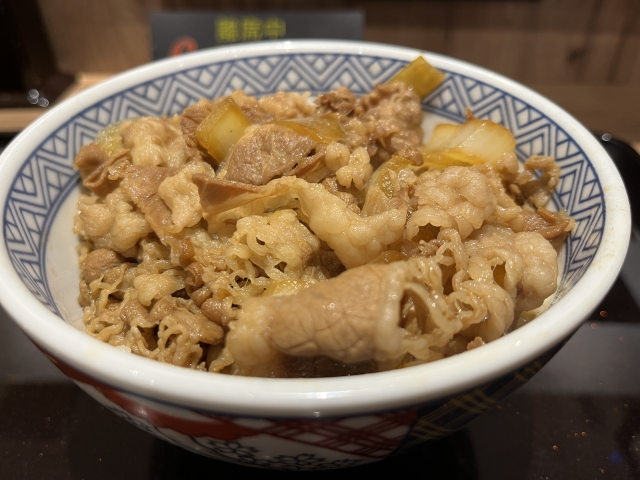
I think Gyudon is one of the Japanese dishes loved by many people. However, Gyudon is by no means cheap (other countries). Some of you might have wondered, “How much is Gyudon in Japan?”. So, how much does Gyudon cost in Japan?. Therefore, in this article, I will introduce the price of Gyudon in a story format.
Characters
- Mike: A 12-year-old American boy. He is interested in Japan.
- John: Mike’s father. He is a businessman and sometimes goes to Japan.
- Kelly: Mike’s mother. She is good at cooking.
- Nobu: A Japanese international student.
How Much is the Price of Gyudon in Japan?
John: “Is it true you can eat Gyudon for 500 yen?”
Nobu: “Yes, it depends on the type, but you can generally eat it for about 500 yen.”
John: “Oh my goodness. Over here, it costs over 2,000 in Japanese yen. That’s a terrifying price difference.”
Kelly: “But there are many types of Gyudon, right?”
Nobu: “Yes, there are ones with cheese or kimchi toppings.”
Kelly: “Those menu items are expensive, aren’t they?”
Nobu: “Yes. I think they will be around 600 to 700 yen. It’s expensive.”
John: “Even so… it’s cheap.”
Nobu: “However, even though it’s called Gyudon, the price varies depending on the type and size, so I can’t make a sweeping statement.”
Mike: “Then, won’t you tell me more about Gyudon?”
Prices of Large and Small Gyudon
Nobu: “First, let’s list the sizes of Gyudon. Gyudon is called differently depending on the amount. From largest to smallest, there are three: ‘Omori’ (Large), ‘Futsumori’ (Regular), and ‘Komori’ (Small). Omori is a large portion, so it’s for young men, while Komori is a small portion, so it’s suitable for children.”
John: “I see, it differs by amount.”
Nobu: “And the prices are like this:”
- Large (Omori): 600–700 yen
- Regular (Futsumori): 500–600 yen
- Small (Komori): 400–500 yen
Nobu: “By the way, Gyudon comes with miso soup, and this price includes the miso soup.”
Types of Gyudon and Their Prices
John: “By the way, wasn’t there supposed to be several types of Gyudon?”
Nobu: “Yes, it depends on the restaurant, but the variation is wide.”
Mike: “What kind of variations are there?”
Nobu: “Roughly speaking, there are variations like these:”
- Cheese Gyudon: 700 yen
- Kimchi Gyudon: 600 yen
- Grated Radish and Ponzu (Oroshi Ponzu) Gyudon: 600 yen
- Beef Bound with Egg Bowl (Gyutoji-don): 700 yen
Nobu: “Also, since Gyudon restaurants are run by chain stores, each has its own unique menu.”
Mike: “But there are variations, huh. Tell me what they are like.”
Nobu: “Understood.”
Cheese Gyudon
Nobu: “First is the Cheese Gyudon. I think the price is about 700 yen. The image is cheese placed on top of the Gyudon, melting gooeyly when you eat it.”
Mike: “Stretchy cheese sounds nice. By the way, has Cheese Gyudon been around for a long time?”
Nobu: “It’s been around for a while, but I wouldn’t say ‘a long time’. Today’s Gyudon has a rich variation, but in the past, there weren’t as many as now.”
Mike: “It’s different depending on the era.”
Nobu: “I suppose so.”
Kimchi Gyudon
Nobu: “Next is Kimchi Gyudon. The price for this is also about 600 yen. Kimchi is placed on top of the Gyudon. The sweetness of the Gyudon sauce and the spiciness of the kimchi match well and it’s delicious.”
John: “Wait a minute. Kimchi is Korean food, right? Is kimchi that popular?”
Nobu: “Yes. Kimchi is very popular and is sold in supermarkets. Also, kimchi is applied to various dishes. Kimchi Gyudon is one of them.”
John: “I see. A fusion of food cultures. This is also interesting.
Oroshi Ponzu Gyudon
Nobu: “There is also something called Oroshi Ponzu Gyudon. This is also about 600 yen. Grated daikon radish is placed on top of the Gyudon, and ponzu is poured over it. A refreshing taste is its characteristic.”
Mike: “What is grated radish (daikon oroshi)?”
Nobu: “It’s grated daikon radish. When eaten with greasy food, it refreshes the inside of your mouth. Ponzu is a citrus-based vinegar. This also has a refreshing taste.”
John: “It seems easy to eat.”
Gyutoji-don
Nobu: “Next is Gyutoji-don. This is different from having a topping placed on top of the Gyudon. It’s a dish where the Gyudon ingredients are bound with egg. You could say it’s a dish where the fluffy texture of the egg is mixed into the Gyudon. I think the price is around 700 yen.”
Kelly: “There are other rice bowls (donburi) bound with egg, right? Like Katsudon or Oyakodon.”
Nobu: “That’s exactly right. Since there are also donburi dishes similar to Oyakodon where pork is bound with egg, it might be a unique Japanese food culture.”
Types of Toppings and Prices
John: “By the way, the menu items just now had toppings placed on the Gyudon, but can you freely choose toppings for Gyudon?”
Nobu: “Yes, you can freely choose. Well, you should probably keep it to an amount that doesn’t overflow from the bowl.”
Kelly: “Well, that’s true. But combining several toppings is interesting.”
Nobu: “Then, let’s list some toppings.”
Green Onions (Negi)
Nobu: “First is green onions. The green onions used for Gyudon are chopped small green onions. The price is probably about 100 yen. Rather than just placing them on top, mixing them into the Gyudon to eat probably tastes delicious.”
Kelly: “Like you can eat the Gyudon refreshingly?”
Nobu: “That’s right. It makes it refreshing.”
Egg
Nobu: “Egg is also a delicious topping. The price for this is probably about 100 yen too. Also, there are soft-boiled eggs.”
Kelly: “Soft-boiled egg, huh.”
Nobu: “The inside of the egg sets gooeyly, and it’s delicious.”
Kimchi
Nobu: “I mentioned kimchi earlier, but it is also possible to order it separately. The price will be about 100 yen.”
John: “Should people who like spicy food just use a lot of kimchi?”
Nobu: “Yes. You can do that, but if you order too much, it won’t fit in the bowl, so you should be careful.”
John: “Well, I suppose so.”
About Delivery
Nobu: “By the way, Gyudon is not only eaten inside the store, but there are also cases where people take it home to eat. Also, recently there are food delivery services, so it seems people sometimes have it brought to their homes at night, etc.”
John: “Wait a minute. How many hours a day are Gyudon restaurants open?”
Nobu: “I hear it’s decreasing due to profitability issues, but basically, they are open 24 hours.”
Kelly: “Isn’t it scary late at night?”
Nobu: “It’s fine. However, there are dangerous places, so women and children must be careful.”
Kelly: “I see.”
End
Prices of Donburi in Various Countries
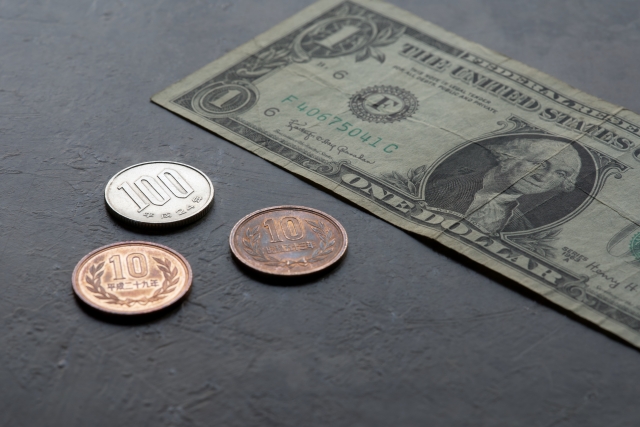
I think you understood the price of Japanese Gyudon compared to other countries , but what are the prices of other donburi dishes? Here, let’s compare other donburi dishes (Katsudon, Oyakodon, Gyutoji-don) together with Gyudon. By the way, the currency rates for each country were calculated here (February 26, 2026):
- 1 US Dollar: 156 Yen
- 1 Euro: 184 Yen
- 1 Pound: 210 Yen
- 1 Australian Dollar: 111 Yen
Gyudon Prices
- New York: 14–20 USD
- Los Angeles: 8–18 USD
- London: 10–16 GBP (approx. 12–19 EUR)
- Paris: 12–18 EUR
- Berlin: 9–15 EUR
- Sydney: 8–15 AUD
Oyakodon Prices
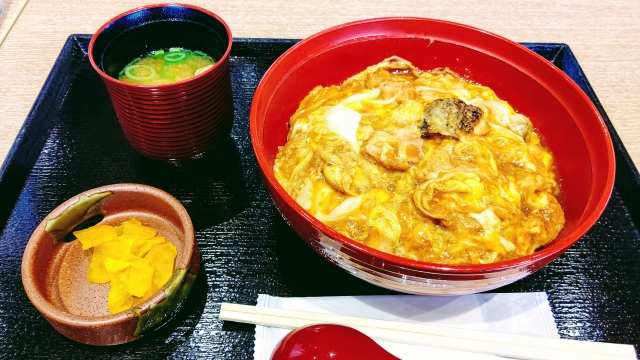
- New York: 14–22 USD
- Los Angeles: 13–17 USD
- London: 9–14 GBP (approx. 10–16 EUR)
- Paris: 14–18 EUR
- Berlin: 13–16 EUR
- Sydney: 12–17 AUD
Katsudon Prices
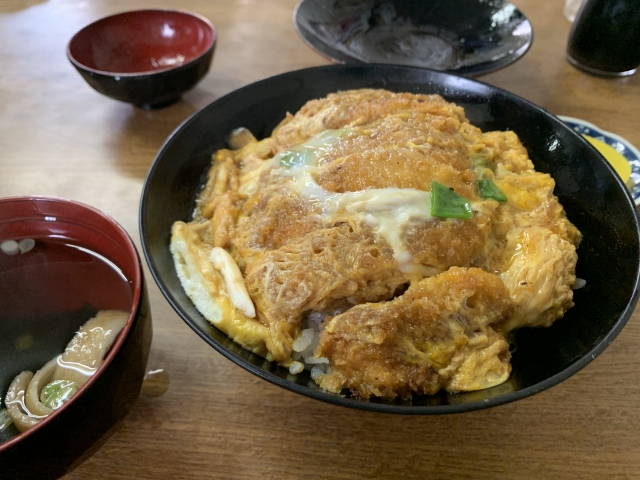
- New York: 20–30 USD
- Los Angeles: 14–20 USD
- London: 10–16 GBP (approx. 12–19 EUR)
- Paris: 13–18 EUR
- Berlin: 10–17 EUR
- Sydney: 16–25 AUD
Conclusion
I took up the topic of the price of Gyudon. Perhaps some people were surprised by the price of Japanese Gyudon. Also, aren’t there many people who became interested in the types of Gyudon and the variation of toppings?
By the way, the types of Gyudon and toppings are planned and sold by various Gyudon chains. There are also Gyudon that are different from the types and toppings listed here.
By all means, when you come to Japan, how about giving it a try?