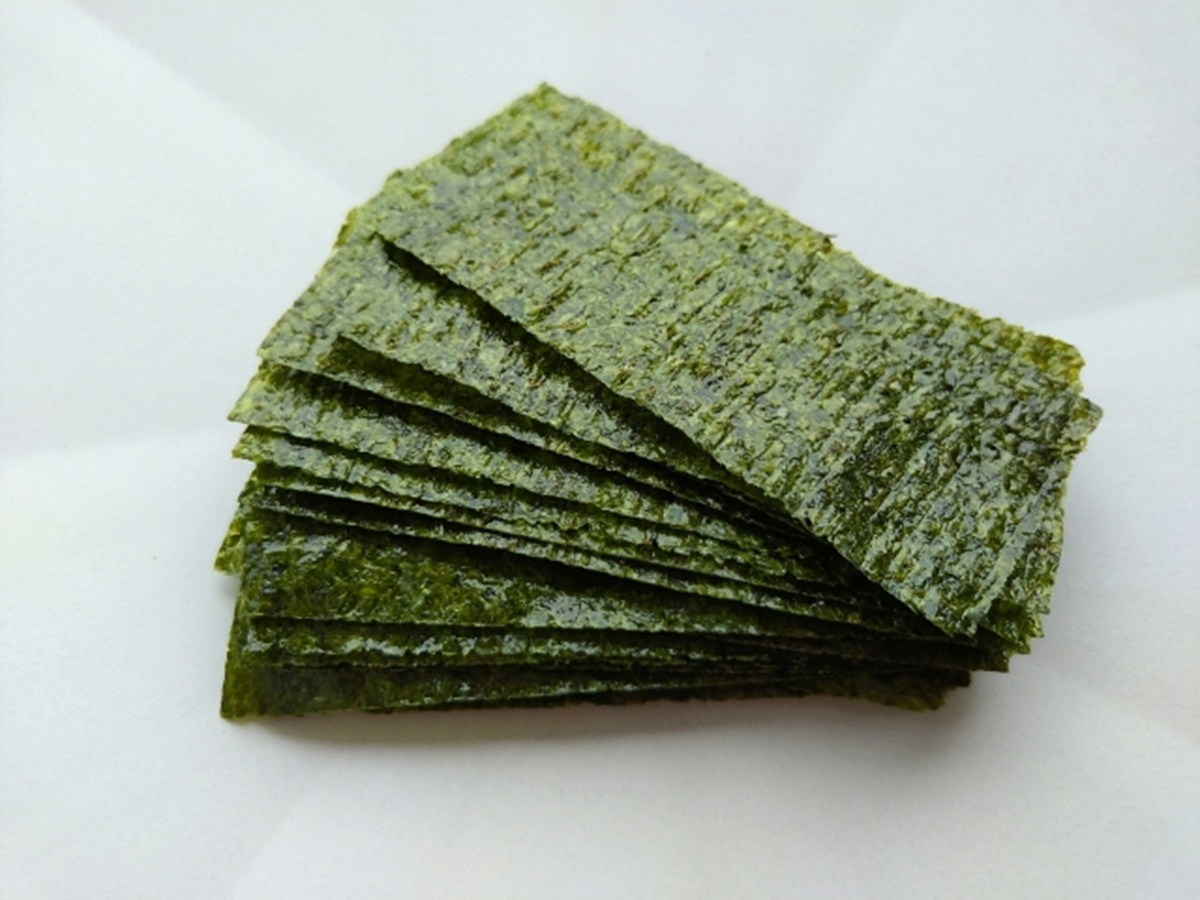
Nori is a food made from seaweed and appears in various scenes of Japanese dietary life. Here, we would like to introduce the culture of eating Nori in a drama format. It will deepen your knowledge of the breadth of Japanese food.
Characters
- Mike: A 12-year-old American boy. He is interested in Japan.
- John: A businessman. He has visited Japan for work.
- Kelly: Mike’s mother. She is good at cooking.
- Nobu: A Japanese international student.
Prologue
From the perspective of people from overseas, the Japanese culture of eating Nori seems to be very specific. In the first place, there are likely many people who cannot understand the culture of eating seaweed.
Especially among people living on continents, there may be many who have never even seen it. There are many regions where the national land is not in contact with the sea. Among the people of such countries, not a few might think, “How can they eat such black paper?”
However, Nori is an extremely popular food in Japanese food culture. If you are to taste Japanese food, it is one of the ingredients we definitely want you to eat. So, what kind of ingredient is Nori?
John learns what Nori is
John: “One of the mysterious things about Japanese food is the culture of eating seaweed. For example, if you choose a Japanese breakfast at a hotel, Nori comes out almost without fail. That taste is mysterious.”
Mike: “Seaweed, huh? We don’t eat it much over here. I understand that the food culture is different from Japan, but that is also mysterious.”
John: “Moreover, I am surprised by the wide range of foods that use Nori. It doesn’t just appear in Japanese food, but also in Western food.”
Mike: “But what is Nori in the first place?”
John: “Nori is not eating seaweed just as it is. It is shipped after going through quite detailed processes.”
Mike: “For example, what kind of processes?”
John: “First, the Nori harvested from the sea is washed thoroughly to make it clean. After that, it is shredded by a machine. Then, it is made like Japanese paper and dried.”
Mike: “The point that it is made like paper is unique. I’ve hardly ever heard of shredding vegetables and making them like paper.”
John: “By the way, machines are used for that process now, but since there were no machines in the past, it must have been difficult.”
Mike: “It must have been hard to shred it by human hands, and it must have been hard to process it like paper.”
Kelly learns the culture of eating seaweed
Kelly: “But when I look into even ‘how to eat’ Nori, I feel I can see the depth of that culture. Because there are so many ways to use it.”
Mike: “I see, the ways to use it. Specifically, what kind are there?”
Kelly: “Specific examples, right?”
Eating by wrapping
Kelly: “First, I think ‘eating by wrapping’ is representative. A popular one is Norimaki (seaweed rolls). That one skillfully utilizes the sheet-like characteristics of Nori. I think such foods are in the minority among the foods of other countries.”
Mike: “That’s true. The ‘usage of rolling’ might be unique.”
Eating by sprinkling
Kelly: “Next, there is a culture of eating by sprinkling.”
Mike: “Sprinkling?”
Kelly: “It’s a way of eating by shredding Nori and sprinkling it.”
Mike: “What do you sprinkle it on?”
Kelly: “They sprinkle it on rice, and also shred and sprinkle it on things like Soba. It seems they also sprinkle it on pasta.”
Eating by mixing
Mike: “What else is there?”
Kelly: “It seems they also shred Nori and mix it with other foods to eat. For example, seasoning it, boiling it, and eating it with rice.”
Mike: “Do they boil things that were made by drying?”
Kelly: “It seems the appearance and aroma become better. Naturally, the taste does too.”
Mike: “That also sounds interesting.”
Kelly: “That’s why I feel the depth of the culture.”
Nobu talks about foods using Nori
Nobu: “Hello.”
Kelly: “Oh, hello. We were just talking about Nori now. We were saying that Japan’s food culture using Nori is deep.”
Nobu: “I see, Nori. Certainly, there are many dishes that use it.”
Kelly: “What are some examples? Tell me.”
Nobu: “Yes, I understand.”
Norimaki
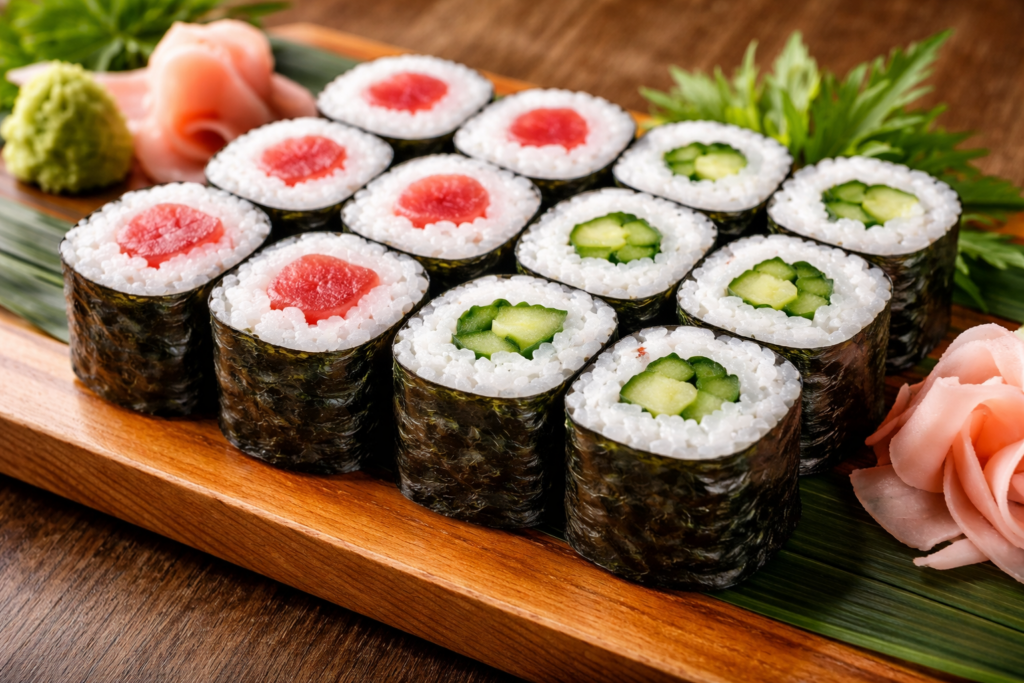
Nobu: “First, there is Norimaki. It is a type of sushi, where it is used by rolling it over ingredients already rolled in rice. The coloring becomes better, and it also becomes easier to eat. I think it is also convenient for eating rice.”
Kelly: “That’s true. There are examples like Nigiri-zushi, but if you eat rice with your hands, your hands will get sticky. In that respect, if you wrap it with Nori, it will be easier to eat and will also become delicious.”
Nobu: “By the way, now there is also Temaki-zushi (hand-rolled sushi). There is the fun of being able to eat while choosing ingredients yourself and rolling them.”
Onigiri
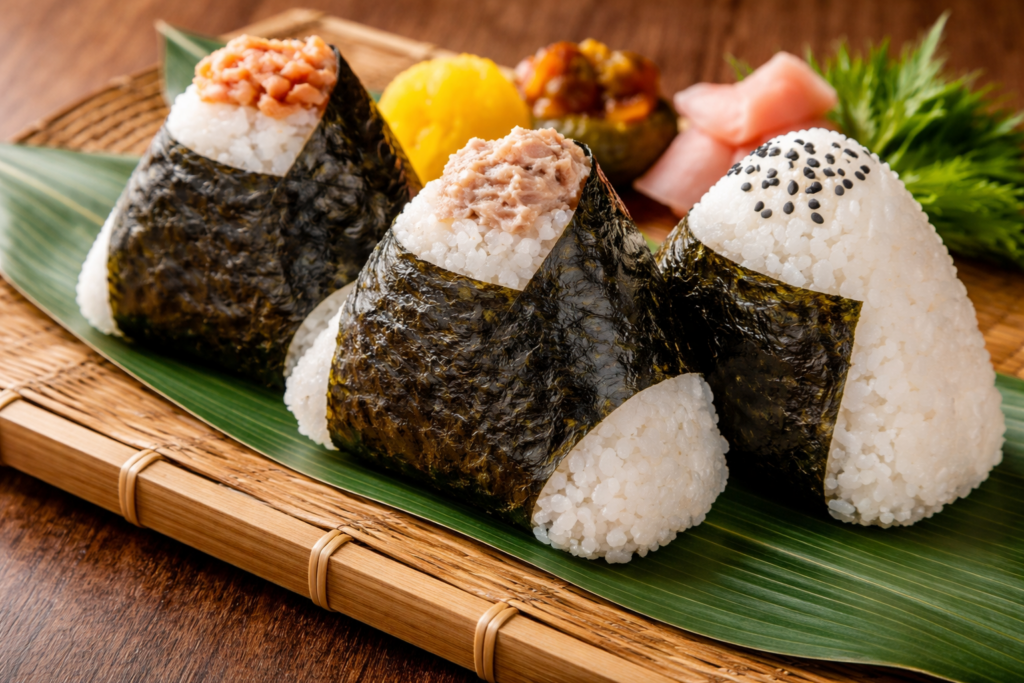
Nobu: “Next to be representative would be Onigiri, wouldn’t it? As you know, you grip rice with your hands and wrap it in Nori to eat. Onigiri has various ingredients inside, but when wrapping, Nori is used.”
Kelly: “Certainly, Onigiri is eaten wrapped in Nori. I can’t imagine an Onigiri wrapped in cabbage.”
Nobu: “True, I can’t imagine something like a cabbage sushi roll.”
Furikake
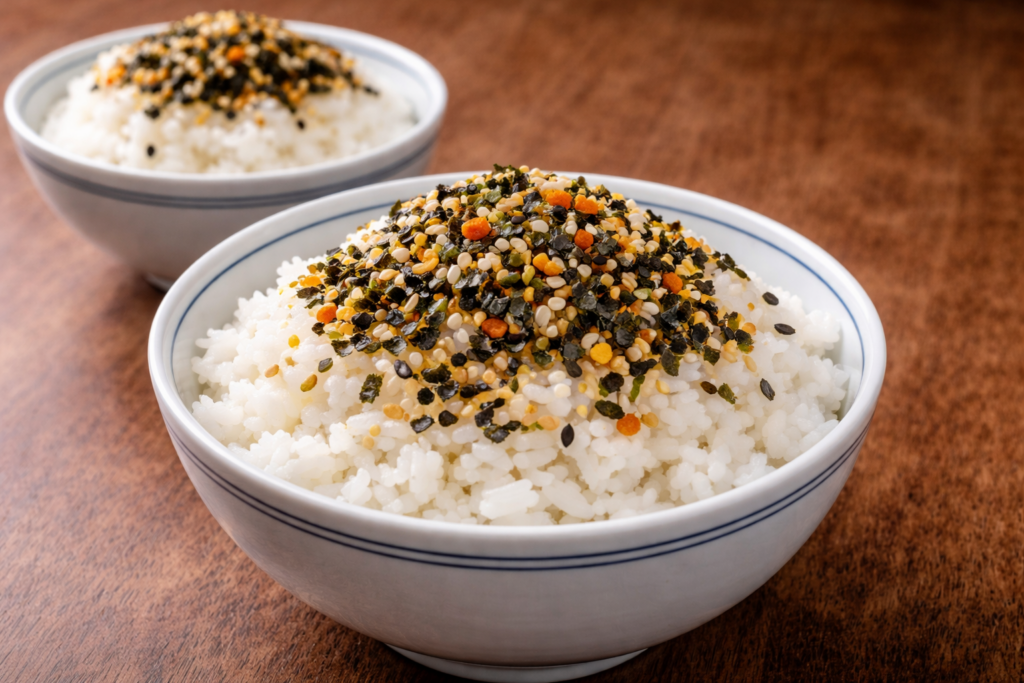
Nobu: “Furikake is a food made by drying finely shredded ingredients, and it is mainly sprinkled on rice to be eaten. The ingredients to go with it are various; there are fish like salmon, and also things like eggs. As a unique type, there is a Furikake that uses Natto as a material. However, I personally think Nori is used in most of them.”
Kelly: “I see, because using Nori makes the aroma better.”
Senbei
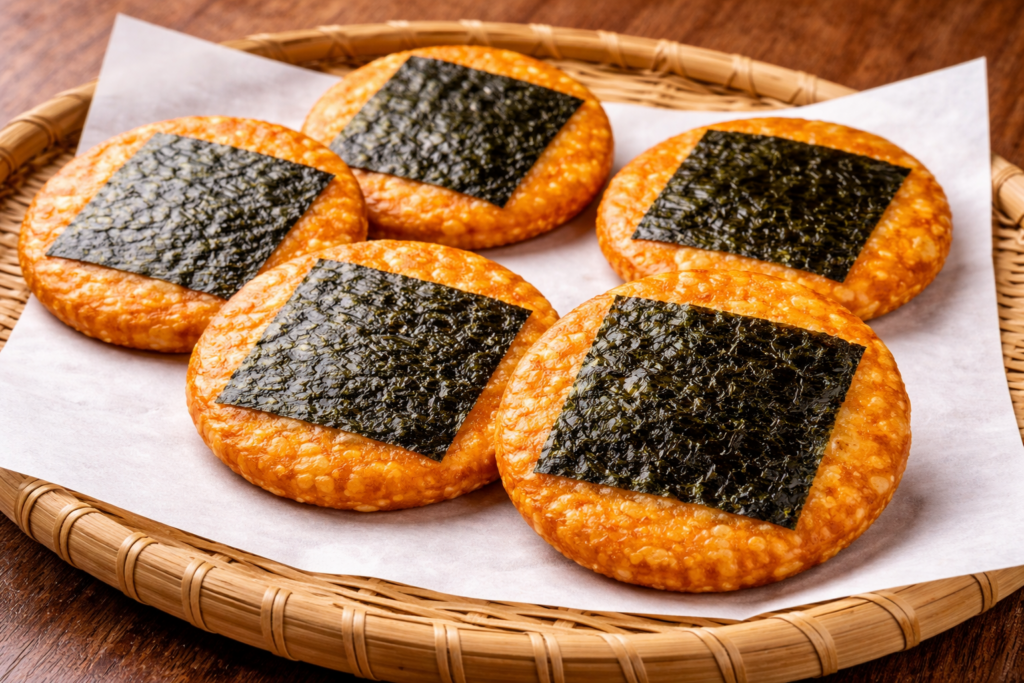
Nobu: “It is also used for things like Senbei. Senbei is a traditional Japanese snack made from rice, and among them, there are those made by attaching Nori.”
Kelly: “Using it even for snacks tells of the wide range of application.”
Nobu: “Yes, I think so. Moreover, Senbei using Nori has a better aroma, and the crisp texture brings out the deliciousness.”
Mochi
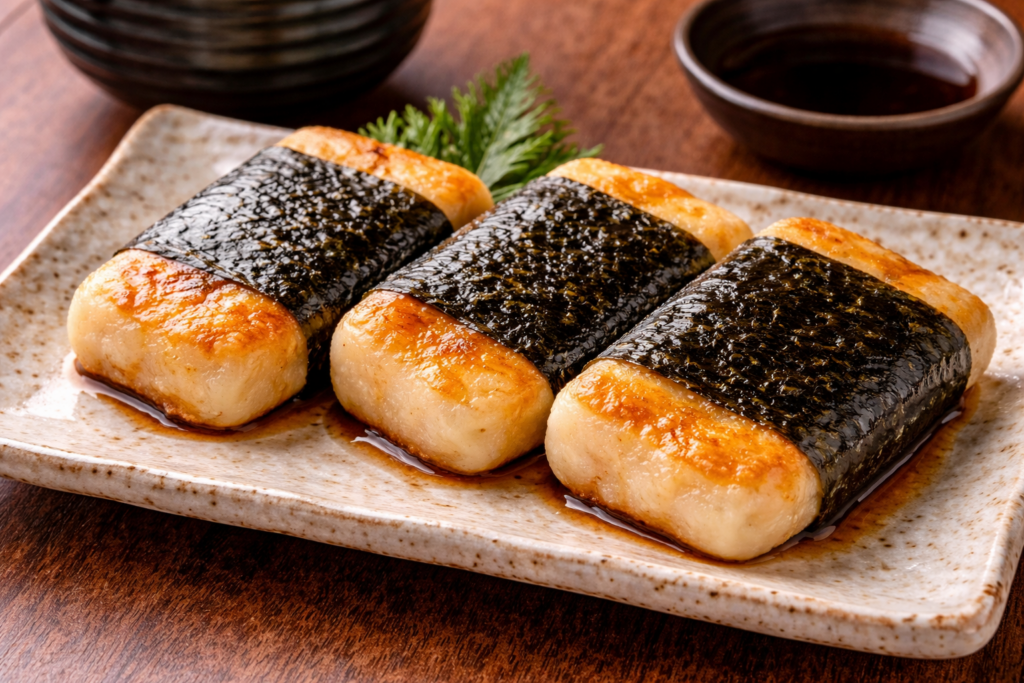
Nobu: “It is also used when eating Mochi. You wrap it and eat it when you grill Mochi. The aroma and crisp texture of Nori are good.”
Kelly: “Mochi, huh. The stretching sensation and the crisp sensation might also go well together.”
Nobu: “By the way, when grilling Mochi, it is grilled after being dipped in soy sauce, and the fragrant smell of Nori being toasted is also attractive. It makes your appetite unstoppable.”
Ochazuke
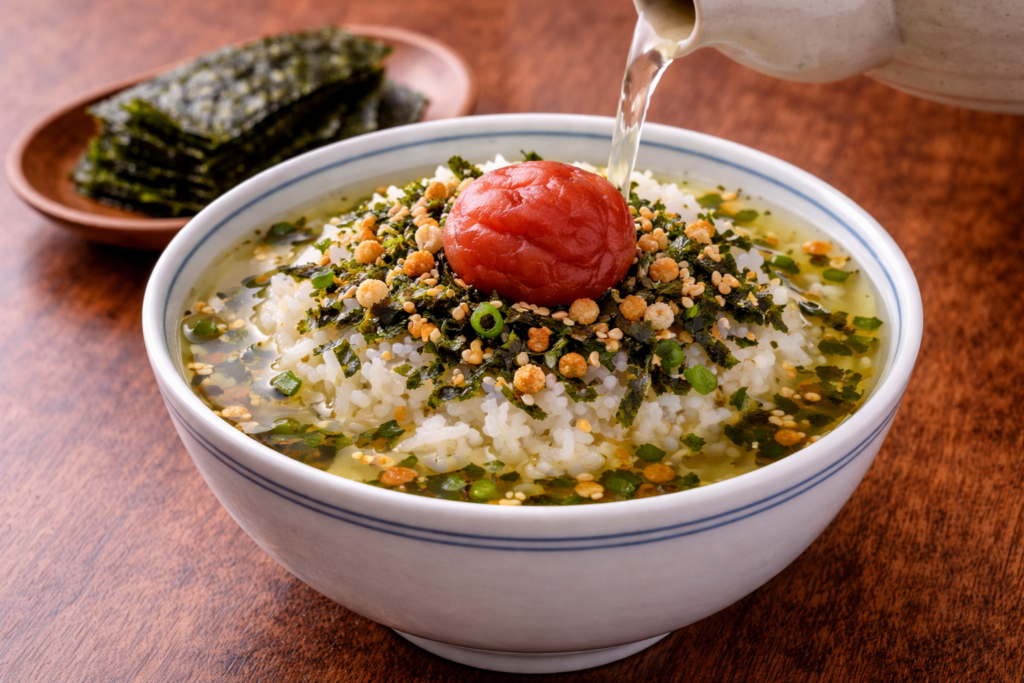
Nobu: “Ochazuke is a food where you put ingredients on rice and pour tea over it. You also sprinkle shredded Nori on top of that.”
Kelly: “Shredded Nori, huh. The aroma and coloring might become better.”
Tsukudani
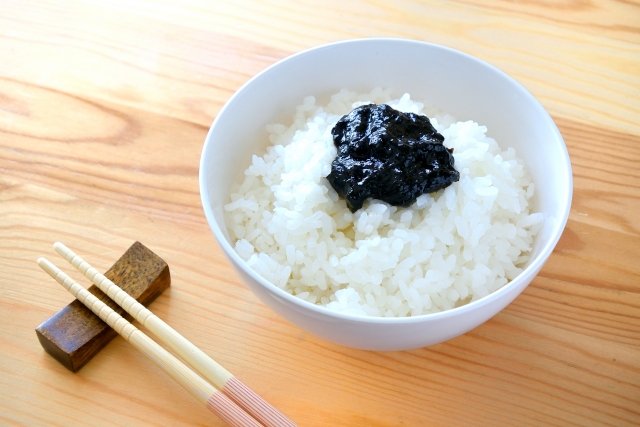
Nobu: “Tsukudani is a food made by seasoning Nori and boiling it. It is paste-like. You eat it together with things like rice.”
Kelly: “The aroma of the rice would likely become better, too.”
Nobu: “That’s not all. The taste of the rice itself becomes even better.”
Ramen
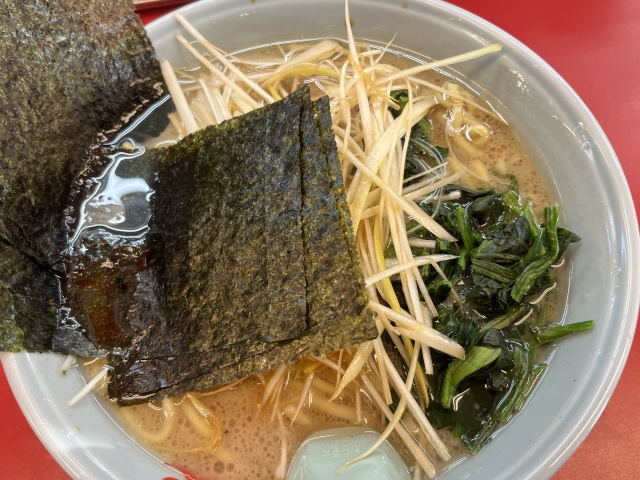
Nobu: “It’s also put in
things like Ramen. It’s like putting one sheet on top.”
Mike: “Ramen, huh. That also looks delicious.”
Nobu: “Yes, Nori is often used as a topping for Ramen, too.”
Can also be used for Pasta, etc.
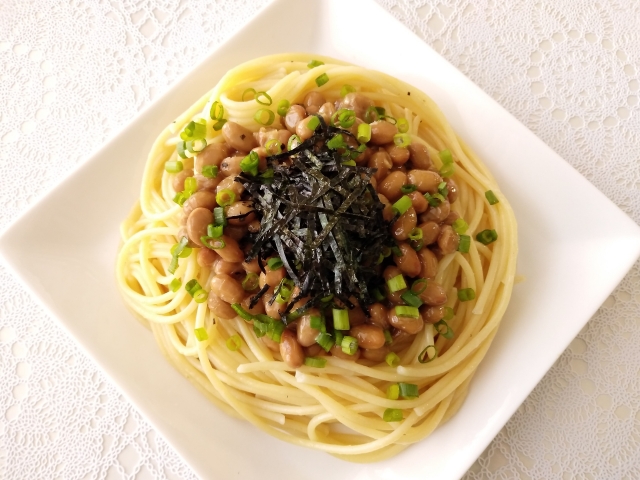
Nobu: “Nori is not only for Japanese food. It is also applied to Western food. I think a good example is Japanese-style pasta.”
Kelly: “What is it? What is Japanese-style pasta?”
Nobu: “It’s pasta made to suit Japanese tastes. You pour a sauce based on things like soy sauce and eat it by sprinkling Nori on top.”
Kelly: “It’s a surprise to apply it even to Western food.”
Conclusion
We introduced Japanese Nori.
I think some people may have become interested in the method of processing seaweed into a sheet shape to eat it rather than just eating it. Also, some people may have found the way of eating it by shredding it interesting.
Now, as for this Nori, eating it as a single item might be fine, but I personally think “eating it as part of Japanese food” is best. Therefore, I want you to eat Nori when you have Japanese food lined up on the table, such as rice, miso soup, and grilled fish.
…However, I also think that perhaps coming to Japan to eat it is best. When you try Japanese food in Japan, please definitely try Nori as well.