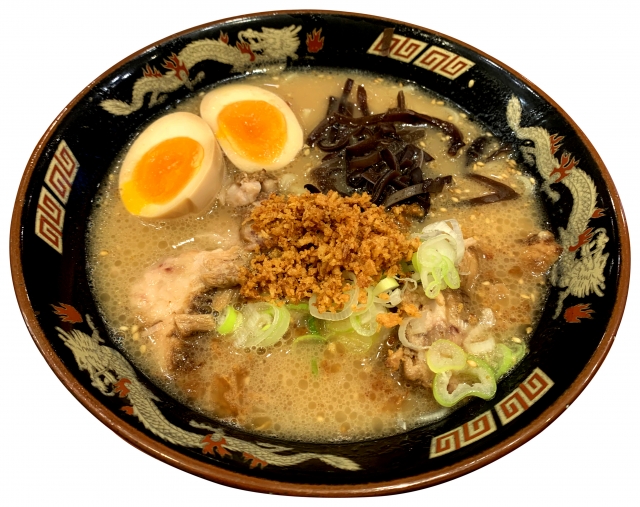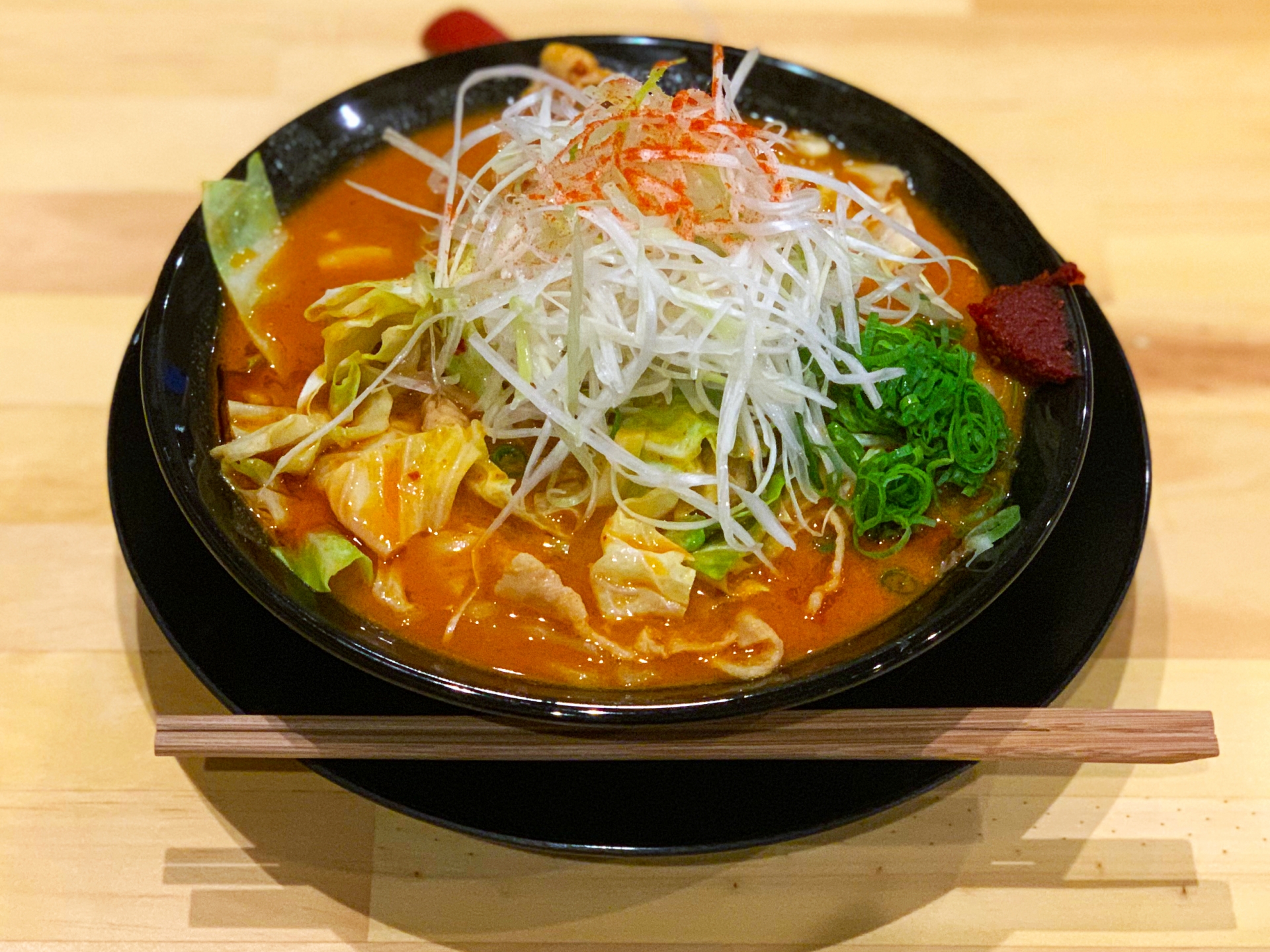
Miso ramen and miso soup are completely different dishes.
Miso ramen is a noodle soup flavored with miso paste,
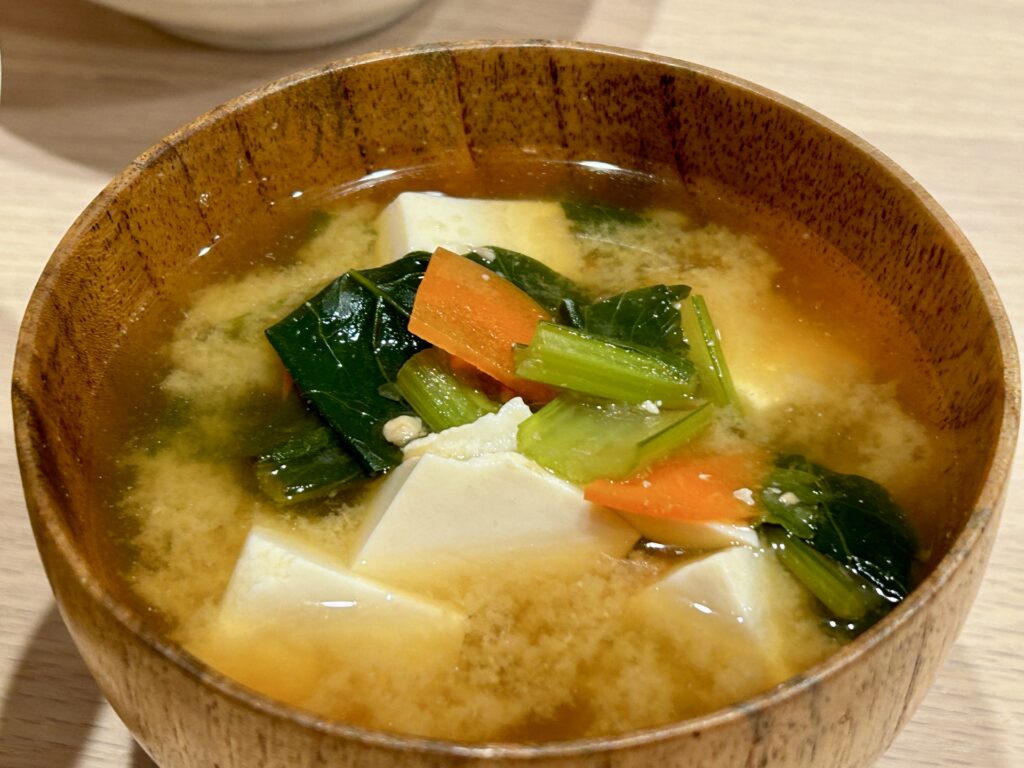
while miso soup is a traditional Japanese soup served with meals.
The ingredients, purpose, and flavor are quite different.
You can learn it through a story, like a home drama.
- Miso Ramen and Miso Soup: What’s the Difference?(The Behind This Story)
- Miso Ramen and Miso Soup: Setting the Stage:Prologue
- Trying Miso Ramen:Act 1
- Miso ramen for lunch:Act 2
- Which is a Miso ramen or Miso soup?:Act 3
- The Difference Between Miso Ramen and Miso Soup:Act 4
- About Miso Soup vs. Miso Ramen
- All About Miso
Miso Ramen and Miso Soup: What’s the Difference?(The Behind This Story)
I want you to know the difference between miso ramen and miso soup. However, it can be difficult to explain, so I will do it through a story, like a home drama.
【The Background of This Story】
Mike was a twelve-year-old boy from America who had recently developed a deep fascination with Japanese ramen. He enjoyed watching food-related Japanese shows, especially those filled with steaming bowls, unique toppings, and lively street stalls.
His mother, Kelly, who prided herself on her cooking skills, tried recreating some of the dishes at home, though she admitted ramen was harder than it looked.
His father, John, was a busy corporate worker who had traveled to Japan many times but rarely ventured beyond standard meals in big cities.
They also knew Nobu, a Japanese college exchange student who often visited their home and shared stories about authentic ramen shops.
Mike liked Japan, and he realized there was still so much more to learn about its noodle culture.
By the way, have you ever heard of Miso Ramen? This is a story all about it. Let the story begin!
Miso Ramen and Miso Soup: Setting the Stage:Prologue
One day, John ended up having Miso Ramen for lunch with his colleagues. He had always admired Japanese food culture, but he had rarely encountered truly delicious dishes, leaving him a bit unsatisfied.
However, the Miso Ramen he had that day was unforgettably delicious—the best ramen he had ever tasted!
John wanted to share this amazing culinary discovery with his family, but he had no idea how to explain or introduce Miso Ramen to them. Fortunately, his wife Kelly is a great cook and seemed to know a thing or two about Miso Ramen. So, he planned to ask Kelly to make it for their upcoming lunch.
Trying Miso Ramen:Act 1
John: “Good morning! Actually, I went out for Japanese ramen with my coworkers last night. It was something called Miso Ramen, and it was absolutely delicious!”
Mike: “Wow, I’m jealous! Everyone at school is super interested in Miso Ramen. What does it taste like?”
John: “Well, it was my first time eating it too, so it’s hard to describe the taste. But Kelly probably knows what it is, right? You’re the cooking expert!”
Kelly: “O-Of course I know! Japan has Miso Soup, right? If you just put noodles into Miso Soup, it becomes Miso Ramen! I’ll make it for lunch today.”
Everyone: “Yay!”
Miso ramen for lunch:Act 2
Kelly: “Alright everyone, lunch is ready! Here is the Miso Ramen you all requested. You’ll be amazed by how good it is.”
Nobu: “Hello! Oh, are we having ramen for lunch? Sounds great.”
Kelly: “Yes, it’s Miso Ramen. I really put my heart into making it.”
Nobu: “That’s impressive. I think many people know about ramen, but it’s surprisingly rare for even Japanese families to make Miso Ramen from scratch at home.”
Kelly: “Really? It was actually quite easy. Anyway, let’s eat before the ramen gets cold.”
Nobu: “Good idea. Ramen doesn’t taste good once the noodles get soggy.”
Which is a Miso ramen or Miso soup?:Act 3
Everyone: “Itadakimasu! (Let’s eat!)”
(Everyone takes a bite and makes a grimace.)
John: “…What is this? The soup tastes completely different from what I had!”
Kelly: “Huh? Is this wrong? The soup package definitely says ‘Miso’!”
Nobu: “Kelly, could I take a quick look? (Examines it) Kelly… this isn’t Miso Ramen soup. This is Miso Soup.”
Kelly: “Wait, isn’t Miso Ramen just noodles put inside Miso Soup???”
Nobu: “They are completely different.”
Kelly: “Whaaaaat?!”
Mike: “Mom… this is awful.”
Nobu: “Alright, let me explain the differences between Miso Soup and Miso Ramen.”
The Difference Between Miso Ramen and Miso Soup:Act 4
Nobu: “First, let’s talk about Miso Soup. It is a traditional soup that has existed in Japan since ancient times. We make a broth called ‘dashi’ using ingredients like Katsuobushi (bonito flakes) or Kombu (kelp), and then create the soup from that dashi and miso paste. The classic, traditional ingredients added to it include tofu and wakame seaweed.”
Mike: “I know those! They’re traditional Japanese foods. Katsuobushi is made from a fish called bonito, and wakame is a type of seaweed, right?”
Nobu: “Exactly. To make it, you shave the Katsuobushi and extract the dashi from it and the kombu. Then, you add your ingredients and cook them. Finally, you stir in the miso, and it’s done… that’s the general idea. However, the way to make dashi, and the type and amount of miso used, vary from household to household. Miso itself also changes depending on the region, so there’s an incredibly rich variety.”
Kelly: “Wow, it’s amazing that it differs by region. I guess it makes sense that food changes depending on the local area in Japan too.”
Nobu: “Yes, it varies by region, and personal preferences play a huge role too. For example, some households add asari (littleneck clams), while other regions might use mushrooms.”
Kelly: “That’s fascinating.”
Nobu: “Japan went through times of poverty in the past, so people probably used whatever local ingredients they had available.”
Kelly: “I see.”
Nobu: “Next is Miso Ramen. This is a type of ramen that originated in Japan, specifically in Sapporo, Hokkaido.”
Mike: “Wait, didn’t ramen come from China?”
Nobu: “Yes, ramen originally came from China, but Miso Ramen was created by a ramen shop in Sapporo. They reportedly gathered different types of miso from all over the country to invent it.”
Mike: “Wow, that’s really cool.”
Nobu: “As for the Miso Ramen soup, it uses a base like chicken broth (torigara) and includes ingredients like ginger and garlic. Preparing this soup is quite difficult and requires a high level of skill. It is entirely different from a Katsuobushi or Kombu broth.”
Kelly: “I see, they are completely different.”
Nobu: “The toppings used are also different. Basic ramen toppings include bean sprouts, chashu (braised pork), and menma (bamboo shoots). For Miso Ramen, corn is also a popular addition.”
Kelly: “Oh, that is different.”
Nobu: “Conversely, you would never put corn in Miso Soup.”
Kelly: “Makes sense. They are vastly different. I understand now.”
Nobu: “Alright then, I’ll be the one making ramen this time!”
Everyone: “Wait, Nobu, you know how to make ramen?”
Nobu: “Yep! It’s cup ramen, though.”
Everyone: “We can make that too!”
(The End)
About Miso Soup vs. Miso Ramen
Now that our story has highlighted the differences, let’s explore them in a bit more depth.
The Soup Base
As mentioned in the story, Miso Soup and Miso Ramen are entirely different dishes. Miso Soup relies on a fundamental dashi broth typically made from Katsuobushi (bonito flakes) or Kombu (kelp). In stark contrast, Miso Ramen utilizes richer bases like chicken bones (torigara) or pork bones (tonkotsu). You would absolutely never use chicken or pork bones to make traditional Miso Soup.
When it comes to the miso itself, it varies wildly from ramen shop to ramen shop. While Miso Ramen was born in Sapporo, the culture quickly spread across Japan, with each shop developing its own unique, original Miso Ramen recipe.
The Ingredients and Toppings
You should also consider the ingredients for Miso Soup and Miso Ramen to be fundamentally distinct.
First, let’s look at the traditional ingredients for Miso Soup:
- Tofu (Silken or Firm): A soybean product and an absolute staple in Miso Soup.
- Wakame: A type of seaweed that adds a distinct aroma of the ocean.
- Nameko Mushrooms: Known for their delicious, slightly thick and slippery texture.
- Daikon Radish: Widely used in Japanese cuisine, including simmered dishes and oden.
- Onion: Adds a natural sweetness, with the texture changing depending on how it’s cut.
- Green Onion (Naganegi): A common Japanese ingredient that provides a refreshing flavor.
- Aburaage (Deep-fried Tofu Pouches): Adds richness and savory umami to the soup.
- Potato: Offers a fluffy texture and is frequently used in Japanese home cooking.
- Sweet Potato: Brings a lovely sweetness and is especially popular in winter.
- Eggplant (Nasu): Loved for its melt-in-your-mouth texture when cooked; great for cold days.
On the other hand, here are the classic toppings for Miso Ramen:
- Bean Sprouts (Moyashi): Extremely popular. Their crunchy texture pairs perfectly with miso.
- Corn: A staple of Sapporo Miso Ramen. Its sweetness is a match made in heaven for the savory soup.
- Green Onion (Negi): Provides a great accent in both flavor and texture, cutting through the rich broth.
- Cabbage: Adds natural sweetness and volume to the dish.
- Onion: Becomes wonderfully sweet when stir-fried.
- Minced Pork: Very juicy and a classic component of Miso Ramen.
- Chashu (Braised Pork Belly): Arguably the main event when it comes to ramen toppings.
- Menma (Fermented Bamboo Shoots): An excellent textural accent.
- Flavored Boiled Egg (Ajitama): The runny yolk mixes with the rich soup to create an exquisite flavor.
- Butter: Highly recommended for Sapporo-style ramen, adding distinct richness and sweetness.
- Nori (Seaweed): Adds a touch of oceanic aroma.
As you can see, they are substantially different! Confusing Miso Soup with Miso Ramen is a definite mistake. However, it might be fun to create a fusion dish by actually putting ramen noodles into Miso Soup. I’m sure there are many confident home cooks out there. Creating a new menu item called “Miso Soup Ramen” could be an interesting experiment, so if you pride yourself on your cooking, feel free to give it a try!
All About Miso
Miso is Japan’s representative fermented soybean product. As mentioned earlier, it varies greatly depending on the region. Miso can be categorized by the type of koji (fermentation starter) used, as well as by its color and taste. Because soybeans are fermented using koji, changing the koji completely changes the flavor profile.
First, let’s classify miso by Koji:
- Rice Miso (Kome Miso – Rice Koji + Soybeans): The most popular type in Japan. Cold regions like Hokkaido, Tohoku, and Shinshu often produce a saltier, drier version, while the Kinki and Chugoku regions tend to make sweeter variations.
- Barley Miso (Mugi Miso – Barley Koji + Soybeans): Mainly found in Kyushu and the Chugoku region. It is characterized by a refreshing sweetness and the distinct aroma of barley.
- Soybean Miso (Mame Miso – Soybeans only): Known for its deep, rich umami and slight astringency. It is very popular in the Tokai region, particularly around Aichi Prefecture.
- Blended Miso (Awase Miso): A mixture of two or more types of miso.
Next, let’s classify by Color and Taste:
- Red Miso (Aka Miso): Undergoes a longer aging period, resulting in a strong, robust umami flavor.
- White Miso (Shiro Miso): Has a higher ratio of koji, meaning it’s lower in sodium and sweeter in taste.
- Sweet vs. Salty Miso: Depending on the salt content and the “koji ratio” (the proportion of koji to soybeans), miso ranges from sweet to salty.
As you can see, Japanese miso is incredibly diverse. It really helps you appreciate the rich variety found in both Miso Soup and Miso Ramen, doesn’t it?
Recommended Article
This article focuses on Miso ramen.
If you’re interested in other ramen styles, check out our article about shoyu ramen.
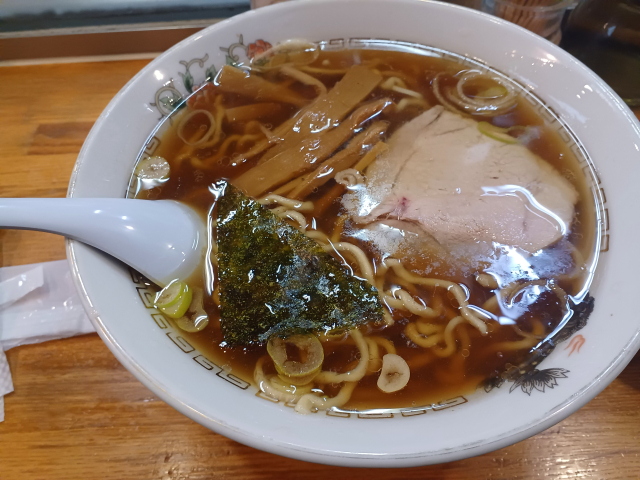

This article focuses on tonkotsu ramen.